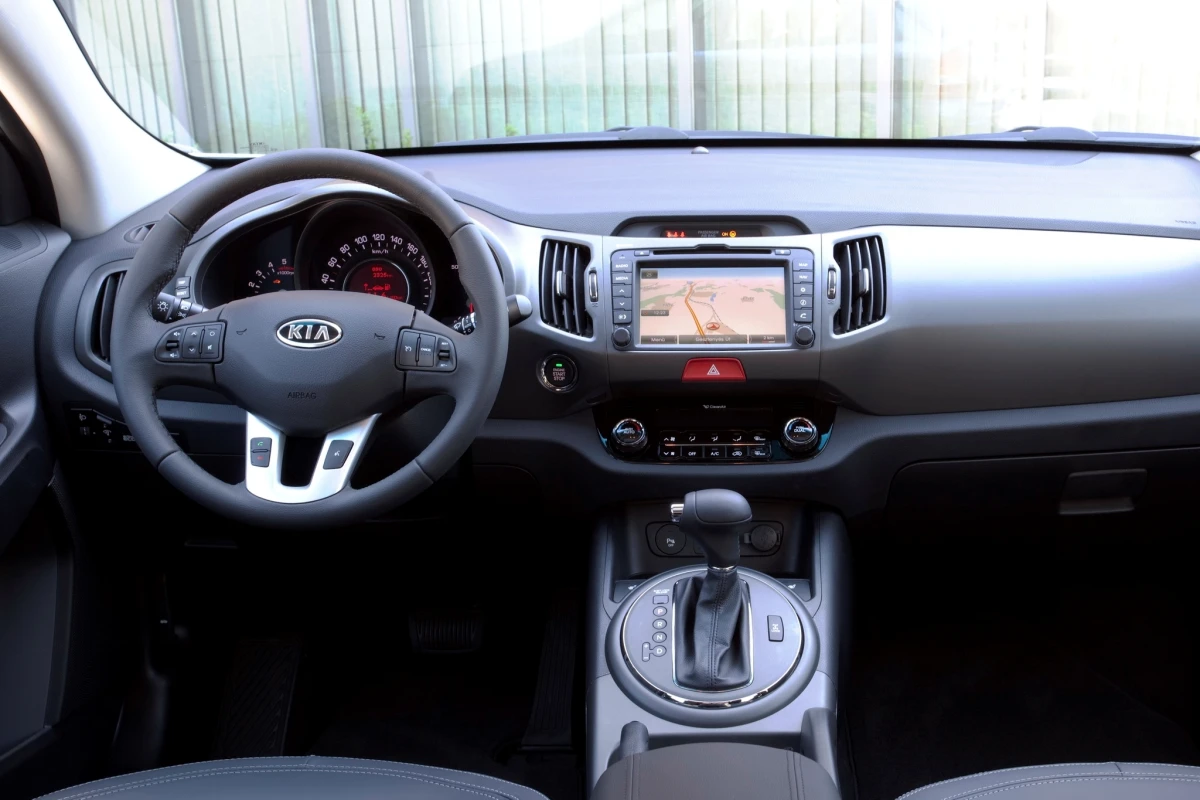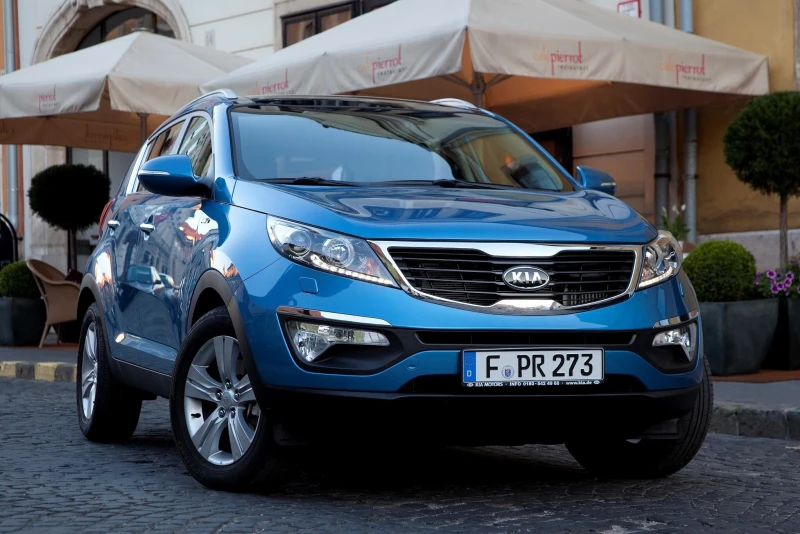
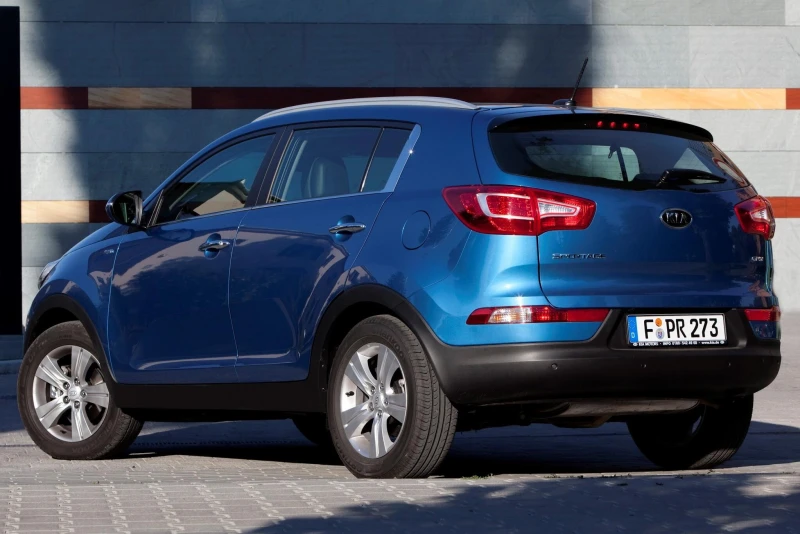
This generation of the Kia Sportage is frequently praised for its shift toward sharper, more modern design and improved technology. It shares its platform with the second-generation Hyundai Tucson (LM), delivering a solid shared engineering foundation. Positioned as an affordable, versatile compact crossover in Kia's lineup, it targets families and drivers needing capability for both city commutes and weekend getaways. Design highlights include aggressive body lines penned under Peter Schreyer's direction, a high beltline, slim side glass, and a bold front fascia. The chassis features independent suspension, optional all-wheel drive, and a range of engines tailored to different regions.
Sales in Europe kicked off in April 2010, with U.S. availability following shortly after through regional distribution. This generation has now concluded, as production ended in 2016 with the arrival of its successor.
What Changed Compared to the Previous Generation
Compared to the second-generation Sportage (JE/KM, 2004–2010), the third generation brought major upgrades. The body grew longer by about 3.7 inches (to roughly 174.8 inches), wider by 0.6 inches, and lower overall — improving both aerodynamics and road presence. Boxy shapes gave way to flowing lines and striking lighting, aligning closer with mainstream preferences in the U.S. and Europe.
The platform switched to the shared Tucson architecture, adopting MacPherson struts up front and multi-link rear suspension for better ride quality and handling. Tech levels rose with standard stability control, up to six airbags in many trims, and touchscreen infotainment options. Interior space increased slightly (wheelbase up by about 0.4 inches), along with better noise insulation and higher-grade materials.
Safety gained active features like electronic stability control and hill-start assist. Engines focused on efficiency, dropping the old V6 in favor of refined four-cylinders. In the U.S., this meant strong emphasis on economical yet capable powertrains.
Current Status of the Generation
The final model lineup for the Kia Sportage III offered gasoline and diesel engines, front- or all-wheel drive, and manual or automatic transmissions. Key milestones: debut in 2010, a 2014 facelift bringing refreshed styling (new grille, headlights, interior updates) and engine tweaks (2.4L bumped to around 182 hp in some markets, with turbo options up to 260 hp in select regions).
On the used market, post-facelift 2014–2016 models — especially those with the 2.0L diesel (where available) or reliable gasoline engines — stand out for durability and fuel efficiency. The 2.0L naturally aspirated gasoline (around 164–166 hp) suits relaxed driving but needs proper maintenance checks. AWD versions remain popular for added traction, particularly in varied weather conditions across the U.S.
U.S. Used Market
The used market for the 2011–2016 Kia Sportage remains active in the United States. Listings on major platforms show hundreds of examples available nationwide. New units are long gone, though occasional low-mileage imports from other regions appear — though rare for vehicles now over a decade old.
Condition on the used market is generally solid: many examples have mileages between 90,000–150,000 miles and are well maintained. Approximate price range: $4,500 to $10,000 (depending on year, mileage, condition, and trim), with earlier 2011–2012 models on the lower end and clean, low-mileage 2014–2016 facelifts commanding higher values. Approximate market price range for the United States.
Most sought-after configurations include gasoline 2.0L or 2.4L engines with automatic transmission and AWD, as well as mid-to-higher trims offering added comfort features — reflecting buyer preference for reliability and everyday usability.
Common Trims and Features on the U.S. Market
Typical trims found in the U.S. include base (Base/LX), mid-level (EX), and higher-end (SX or similar).
Base models come with cloth upholstery, air conditioning, basic audio, ABS, and airbags. Mid trims add climate control, cruise control, alloy wheels, Bluetooth-enabled audio. Higher trims feature partial or full leather, rearview camera, parking sensors. Top versions often include leather seating, navigation, panoramic sunroof, and premium lighting.
U.S.-market examples commonly feature cloth or leatherette interiors, infotainment with USB/MP3 support, and safety aids like ESC and hill-start assist. Suspension tuning handles typical road conditions well, with optional cold-weather packages available. Engines: primarily 2.0L and 2.4L gasoline (MPI, around 164–182 hp depending on year), with diesel options limited or absent in most U.S. states. Transmissions: 6-speed manual or automatic. Drive: FWD standard, AWD optional and popular.
| Trim | Key Features |
| Base/LX | Air conditioning, basic audio, ABS |
| EX | Climate control, cruise, Bluetooth, alloys |
| SX | Leather, navigation, panoramic roof, premium features |
Final Thoughts & Relevance Today
The third-generation Kia Sportage remains a strong choice on the used market for buyers seeking a dependable compact crossover with good versatility, especially for families or daily drivers. It continues to attract interest thanks to approachable pricing, straightforward maintenance, and proven durability.
Post-2014 facelift models with automatic transmission and AWD tend to be the smartest picks. When shopping used, inspect the engine (especially for wear on higher-mileage examples), transmission, suspension, and electronics carefully. A professional inspection, vehicle history report, and odometer verification are highly recommended on the U.S. market, where service histories can vary widely.