The model held a steady place among best-sellers and was seen as a versatile choice for everyday use. Over the past few years, however, the picture has shifted noticeably: buyer interest is gradually moving toward earlier generations, while the current Golf VIII increasingly finds itself the target of criticism.
German used-car specialists decided to compare three generations of the model at once — the sixth, seventh and eighth — to determine which version looks like the strongest option today in terms of reliability and day-to-day ownership.
Why the Golf Stopped Leading the Market
The Volkswagen Golf first became Europe's best-selling car back in the early 1980s. For many years the model rarely left the top of the charts, only occasionally yielding ground to rivals.
Lately, though, its standing has changed. The Golf no longer dominates its segment as confidently, and more affordable models such as the Dacia Sandero, Renault Clio and Peugeot 208 increasingly appear among the European market leaders.
The reason lies not only in the rising popularity of crossovers or the broader increase in car prices. According to specialists, changes within the model itself played a significant role, particularly in the eighth generation.
The Golf VIII's Main Issue — Excessive Digitalization
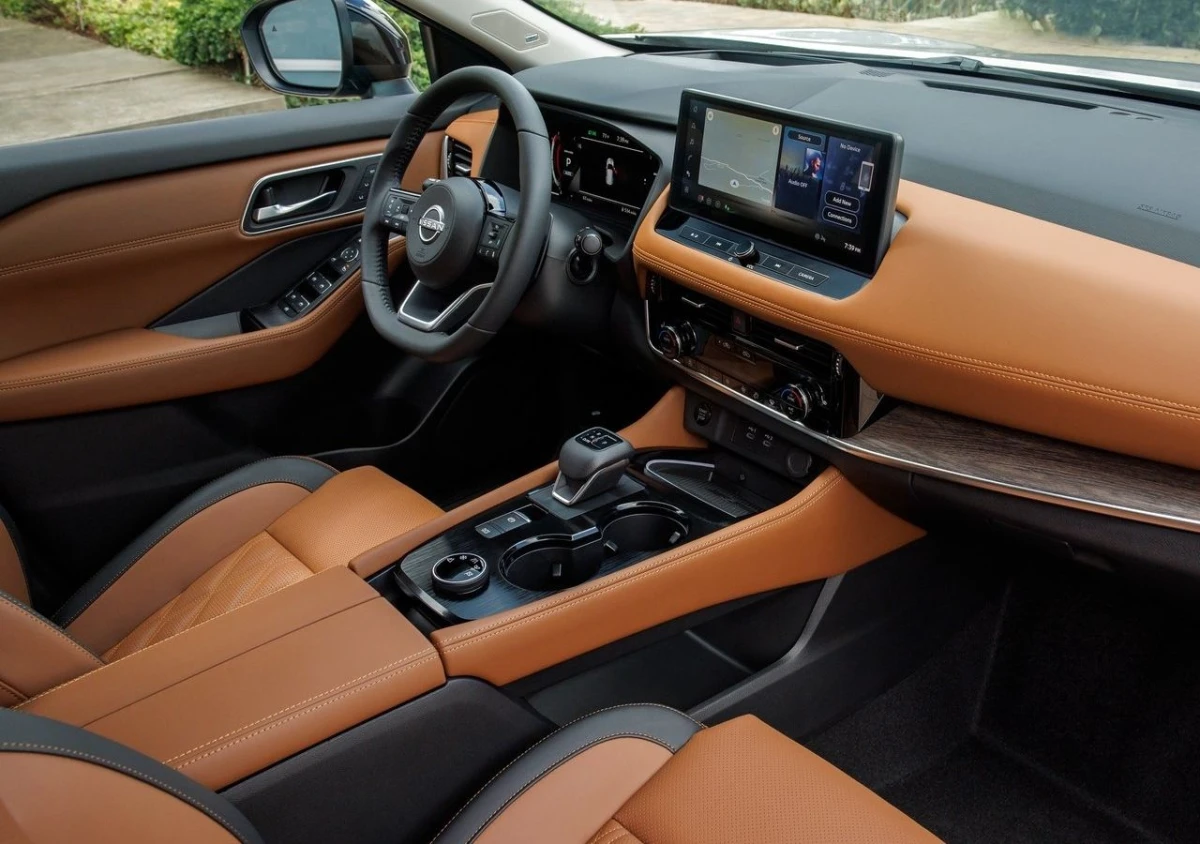
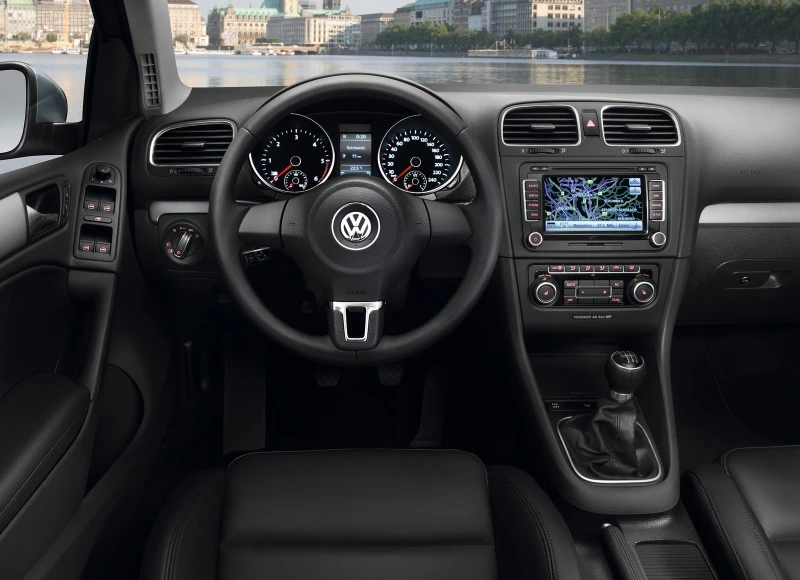
During the development of the Golf VIII, Volkswagen almost entirely abandoned the familiar physical buttons in the cabin. Most functions were moved to the infotainment system's touchscreen, including climate control and a range of auxiliary settings.
This approach was meant to make the interior feel more modern, but in practice many owners encountered less convenient operation. Users frequently complain about a confusing menu structure, sluggish system performance and the need to take their attention off the road even for simple tasks.
Electronics reliability is another source of complaints. Cars from the first model years regularly suffered from infotainment problems, and software updates did not always fully resolve the faults.
In addition, the model was subject to several service campaigns related to build quality and certain technical components.
Why the Golf VII Is Still Considered the Best
Specialists name the Golf VII as the strongest option. This version combines a more traditional approach to controls with a sufficiently modern technical platform.
Among the model's main advantages, they highlight:
- intuitive cabin ergonomics;
- more reliable electronics;
- solid braking-system performance;
- wide parts availability;
- moderate maintenance costs.
At the same time, the seventh generation has its own known weak points. Owners occasionally face issues with the DSG dual-clutch gearbox, wear of suspension components and faults in the panoramic roof.
Most of these shortcomings, however, are well known to repair shops and usually do not lead to excessively costly repairs.
What to Keep in Mind When Buying a Golf VI
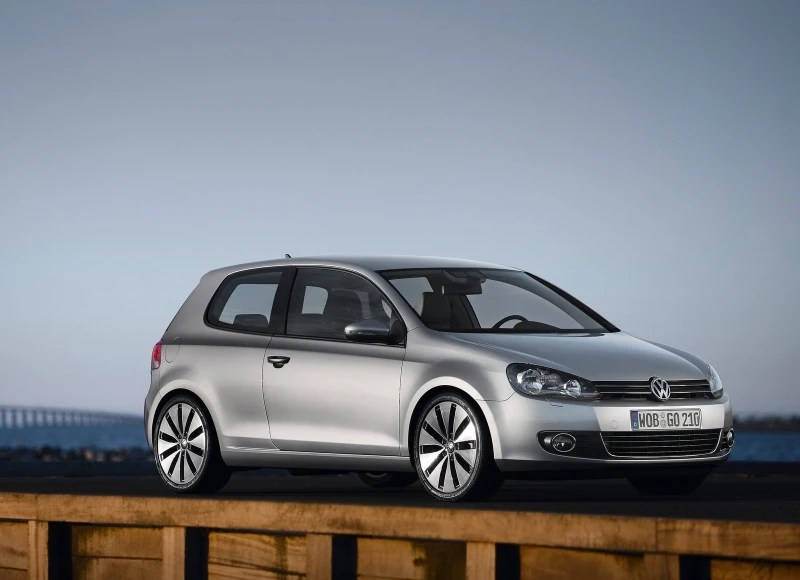
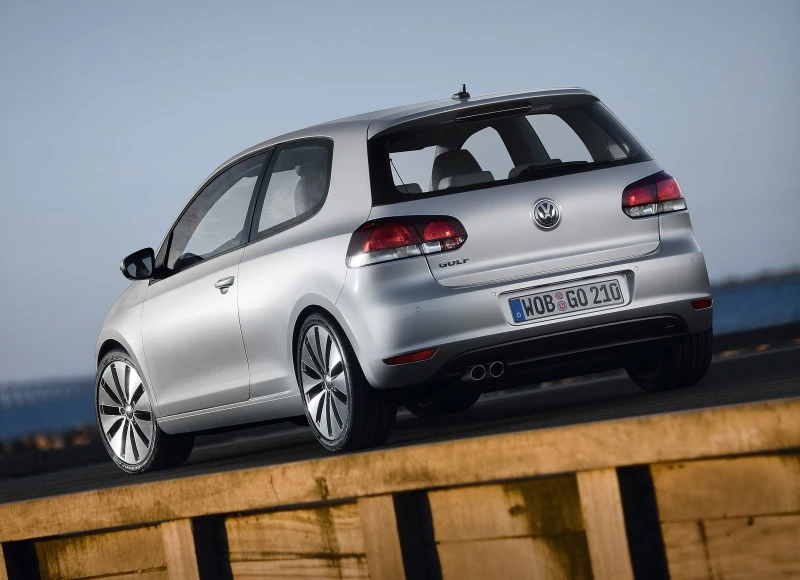
The sixth-generation Golf remains the most affordable option among the models considered. The car is already fairly old, so prospective owners should carefully inspect the body for corrosion.
That said, many of the Golf VI's engineering solutions are regarded as quite reliable even by today's standards. Specialists are especially positive about the performance of the braking system and the overall durability of the suspension.
The early-series TSI gasoline engines deserve separate attention. Some versions could experience serious faults after high mileage, but repairing these engines is now well understood by independent service shops.
Which Golf Looks Like the Smartest Purchase
The comparison of the three generations shows that a car's age is not always directly tied to its practicality and ease of ownership. Despite its more modern equipment, the Golf VIII falls short of its predecessors in ease of operation and overall electronics reliability.
That is why many specialists today consider the Golf VII the most balanced option on the used market. The model combines modern technology with familiar ergonomics and has not yet accumulated as many complaints as its successor.