


In real-world conditions on US roads and in varying climates, this crossover's cabin shines not as a luxury escape, but as a thoughtfully engineered practical space — roomy, focused on usability, and comfortable enough for long highway hauls with minimal fatigue. Over the six years since its 2021 introduction, the interior has seen meaningful evolution without any drastic overhauls. Updates arrived steadily, responding to the priorities of American family buyers.
Interior Architecture and First Impressions
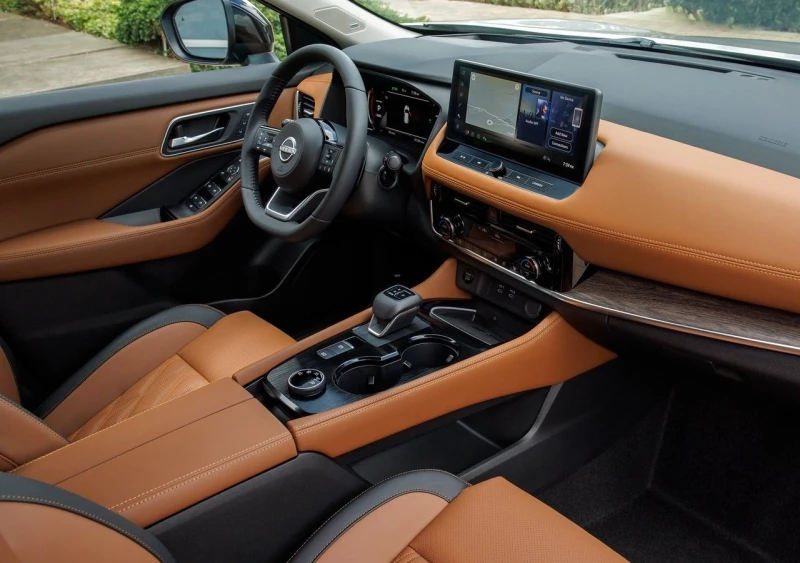
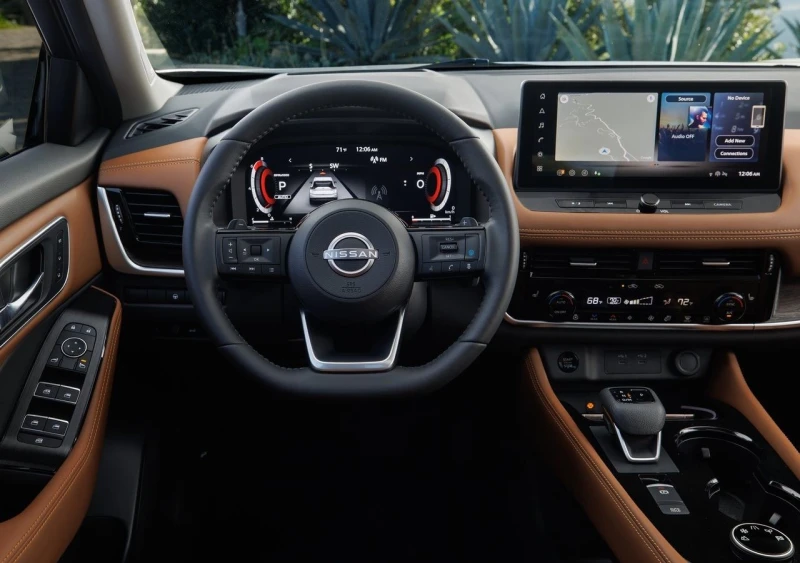
The Rogue's cabin is centered on openness and ease of use. The elevated driver seating position, thanks to the CMF-C/D platform, provides excellent forward and side visibility, though the rear pillars do slightly limit the view directly behind. The dashboard has a contemporary look without being overly bold: clean horizontal lines, soft shapes, and a strong emphasis on functionality. The center console is angled slightly toward the driver, making it easier to operate climate and infotainment controls while on the move.
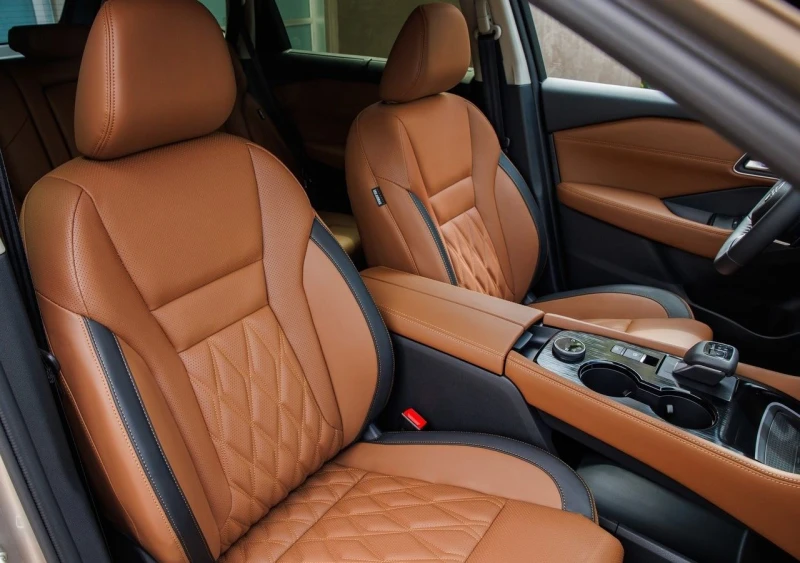
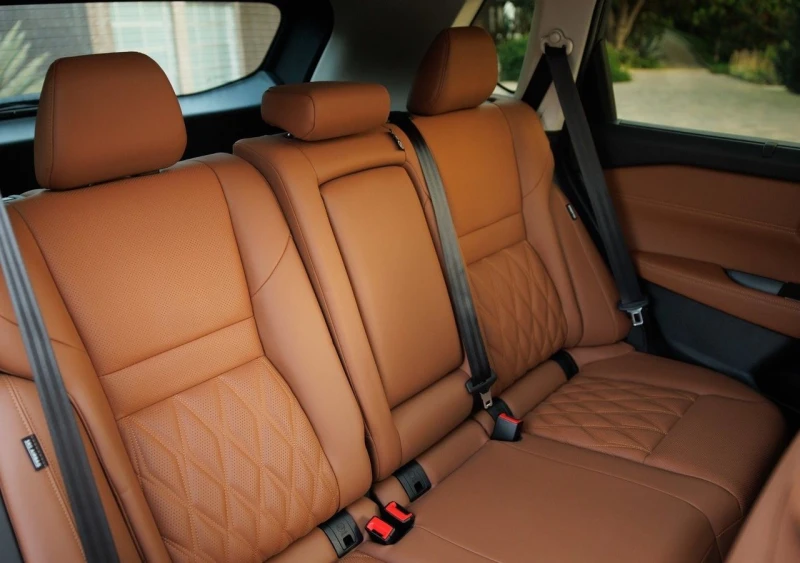
The interior is designed for five passengers. Front seats feature Nissan's signature Zero Gravity design, offering excellent lumbar support and reduced fatigue — a real benefit on long Interstate drives. Driver seat adjustments are electric in most trims, with memory settings available in higher versions. The rear bench provides generous knee and headroom, even for passengers over 6'1" tall, though three adults may find the shoulder room a bit tight. Wide door openings and a low step-in height make it easy to install child seats.
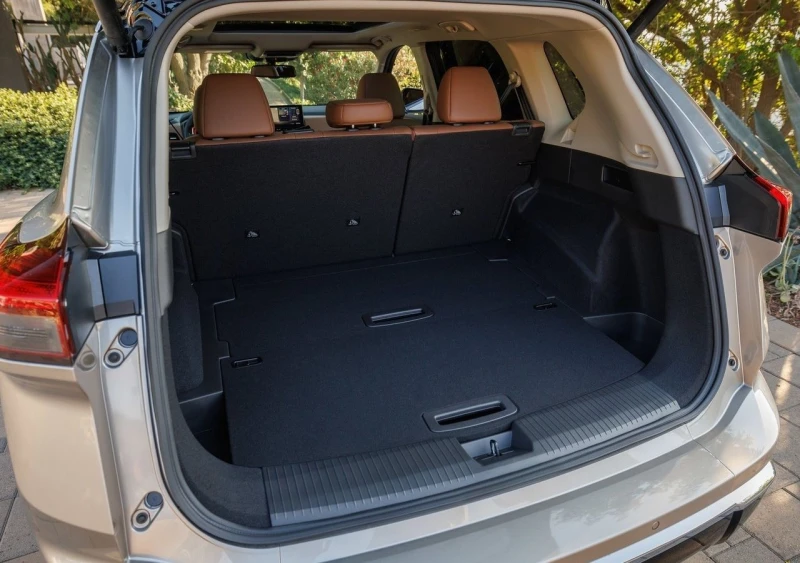
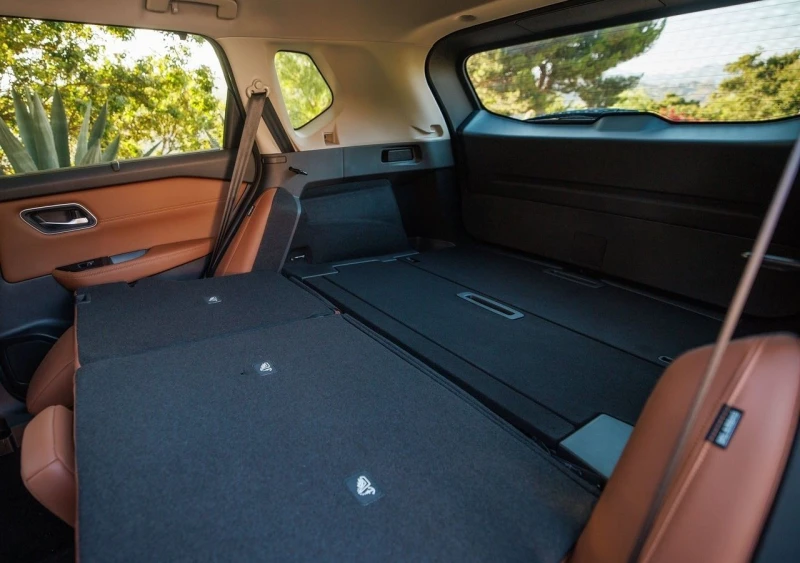
The cargo area is one of the Rogue's standout strengths. With the rear seats in place, there's 36.5 cubic feet of space, expanding to 74.1 cubic feet when the second row is folded. The Divide-N-Hide system lets you adjust the load floor height and create separate compartments, ideal for organizing groceries, sports gear, or weekend getaway supplies. In everyday US scenarios, this means the Rogue can comfortably handle a stroller, multiple grocery bags, and picnic or camping equipment without needing to fold down the seats.
Materials and How They Hold Up in Daily Use
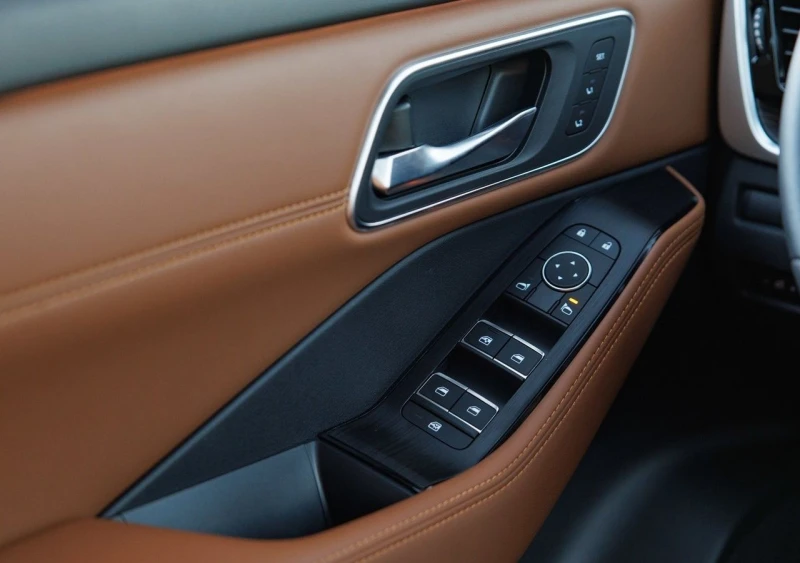
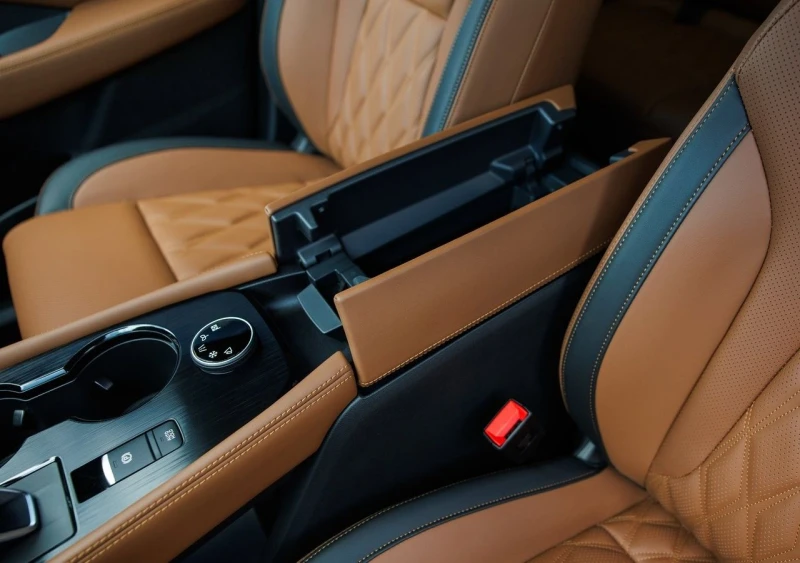
Material quality in the Rogue III improved noticeably compared to the previous generation. Base models feature durable cloth upholstery with good wear resistance, mid-level trims combine cloth with leatherette, and top Platinum versions offer genuine leather, including quilted semi-aniline hides. Soft-touch plastics on the upper dashboard and door panels feel pleasant, while the harder lower plastics can show scratches over time from shoes or cargo.
On US roads that often include potholes, expansion joints, and occasional rough patches, the cabin holds up well. Squeaks and rattles are uncommon and usually appear only in higher-mileage examples past 50,000–60,000 miles, particularly if the suspension has seen better days. The leather in top trims resists stiffening in cold weather and doesn't fade excessively in the sun, although in hot, sunny regions like the Southwest or Florida, protective seat covers or regular use of air conditioning is recommended. Cloth surfaces clean easily but can attract dust after driving on unpaved or dusty roads — a typical experience for many crossovers.
Build quality is solid with tight panel gaps. Owners report that during cold winter months common across much of the country, the materials don't produce unpleasant odors, and the climate control system quickly warms or cools the cabin. Dual- or tri-zone automatic climate control (depending on trim) works efficiently, with dedicated rear vents for passenger comfort.
Trim Levels and Equipment Widely Available in the US
The Nissan Rogue is offered in several well-equipped trims across the country. The SV and SL account for the bulk of both new and used inventory. The entry-level S is less common: it comes with cloth seats, an 8-inch touchscreen with wired Apple CarPlay and Android Auto, manual seat adjustments, and single-zone climate control.
The SV strikes the best balance for most buyers. It adds heated front seats, a leather-wrapped steering wheel, dual-zone climate control, a rearview camera, and enhanced noise insulation. The infotainment remains an 8-inch display but with a clean, user-friendly interface. The SL builds on that with leather upholstery, a power liftgate, available heated rear seats, and more advanced driver assistance features. The flagship Platinum brings quilted leather, a 12.3-inch digital instrument cluster, wireless phone charging, and a premium Bose audio system. These loaded examples command higher prices but have become increasingly common among 2023–2025 models.
Following the 2023–2024 refresh, which included interior enhancements, SL and Platinum trims received a larger 12.3-inch central touchscreen with Google Built-in. This upgrade enables seamless navigation and voice assistance without relying on a smartphone. Lower trims retained the 8-inch screen. While early refreshed examples are still filtering into the market, they represent the most up-to-date experience available.
How the Interior Evolved Over the Years
From the 2021 model year through 2023, the Rogue's cabin remained largely consistent, with the biggest gains coming in sound insulation and minor ergonomic refinements. The 2024 model year brought the most visible interior updates — revised textures on the panels, additional soft-touch materials, and a shift to USB-C ports. The digital gauge cluster became more widely available, and the infotainment system gained Google integration, making daily interactions more intuitive.
In 2026, early 2021–2022 models can feel a touch simpler due to their smaller screens, yet they remain comfortable and functional. Newer examples stand out with a more contemporary feel, especially those equipped with the full digital cockpit. Importantly, even the base versions avoid looking or feeling outdated — Nissan has successfully maintained an excellent balance between useful technology and straightforward operation.
Real-World Cabin Experience Across the US
In everyday driving, the Rogue's interior proves dependable, with only minor caveats. On rougher roads or during highway expansion joint crossings, the rear seat area can occasionally develop light plastic squeaks, especially in vehicles that frequently tackle imperfect surfaces. Forward visibility is strong, but the available 360-degree camera system on SL and higher trims makes maneuvering in tight parking spots or crowded lots much easier.
Caring for the interior is straightforward: regular vacuuming for cloth, and proper cleaners for leather. Heated seats and steering wheel (standard from SV upward) are a genuine comfort in cold northern and midwestern winters. During hot summers, the tri-zone climate system and optional panoramic roof help keep everyone cool. The few minor drawbacks include faster wear on floor mats and door sill trim with heavy family use, and occasional window condensation during sharp temperature swings if the cabin air filter isn't replaced on schedule.
For anyone shopping the used market, it's wise to inspect the condition of the seats and power adjustment mechanisms. Higher-mileage examples can sometimes develop looseness or motor issues in the seat controls. That said, the overall interior remains one of the most practical and livable in the compact crossover class.
In summary, the third-generation Nissan Rogue interior offers a smart compromise between comfort, technology, and daily usability. For most buyers, the SV and SL trims from the 2022–2025 model years hit the sweet spot — delivering the features, modern screen, and durable materials needed for real-world conditions without requiring significant extra investment. Earlier models work well for those prioritizing value, while newer Platinum versions appeal to drivers wanting the full digital experience and upscale touches. No matter the year or trim, this generation's cabin continues to feel fresh and capable, never leaving you with the sense that you're driving something from the previous decade.