


BMW has run into an unexpected challenge: the company is temporarily short on certain wheel rim options for select models. As a result, production of a portion of ordered vehicles has been postponed by several months.
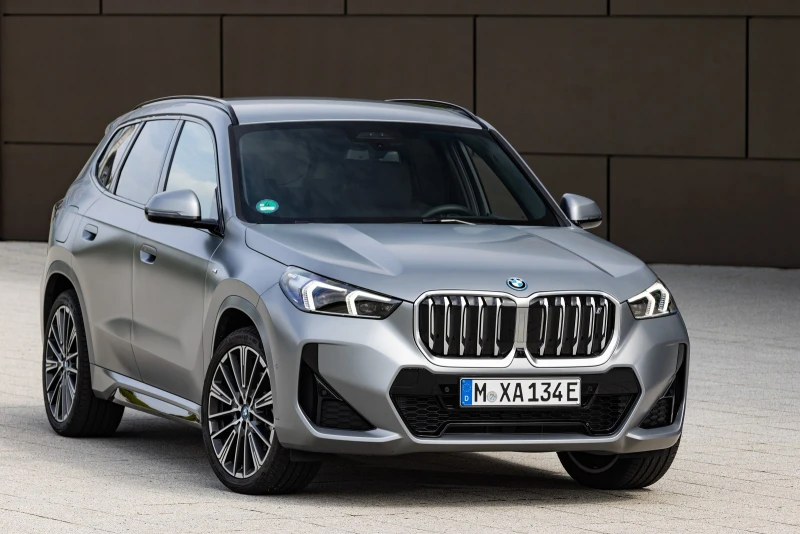
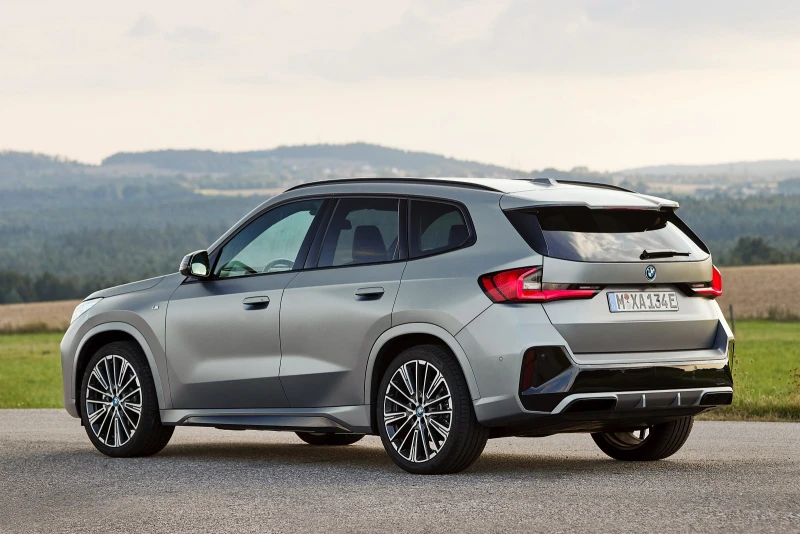
The complexity of the situation stems not only from the component shortage itself but also from the way the manufacturer has chosen to respond. According to German sources, the delays have primarily affected the BMW iX1 crossover, although other models from the brand may also be impacted.
Which Specific Components Are in Short Supply
Preliminary information indicates that the issues involve supplies of 17- and 18-inch wheel rims. One of BMW’s suppliers was unable to meet required production volumes, and a quick replacement could not be arranged.
Notably, the shortage does not involve the most expensive or exclusive wheel variants. Most of BMW’s promotional materials feature vehicles with larger 19- or 20-inch rims, which remain available.
Nevertheless, the absence of base options means some vehicles originally scheduled for summer production may now only be completed in the fall.
Production Delayed Until October
Information provided to dealers indicates that current wheel rim stocks will last only a few more weeks. Starting in June, production capacity will be limited, with normal supply levels not expected before October.
Consequently, certain vehicles that were due to leave the assembly line between June and September have been temporarily removed from the production schedule.
For customers, this means significantly longer waiting times. The impact is particularly noticeable for buyers who configured their vehicles with custom options in advance.
How BMW Proposes to Address the Issue
Despite the availability of larger wheel rims, the company has not automatically substituted the unavailable variants. Customers have instead been offered the standard surcharge for wheels of a larger diameter.
In practice, buyers are presented with two options:
- wait several months for their vehicle to be produced;
- pay an additional charge of approximately 50,000 dollars for alternative rims.
This approach has prompted discussion among customers and journalists. Many observers note that in similar situations some manufacturers choose to temporarily fit higher-specification components at no extra cost to avoid major delivery delays.
BMW has decided to maintain its standard pricing structure even amid the component shortage.
Industry Challenges Persist
The wheel rim situation highlights the modern automotive industry’s dependence on global supply chains. Even a relatively simple component can affect output of thousands of vehicles if supplies are suddenly interrupted.
In recent years manufacturers have already navigated semiconductor shortages, raw material supply disruptions, and rising logistics costs. These difficulties are now being compounded by more localized issues tied to individual suppliers.
For buyers of premium vehicles such events add another factor when choosing specifications and order timing. This is especially relevant for models whose production depends heavily on individual options and non-standard components.
What Comes Next
BMW has not yet disclosed the full scale of the problem or specified which other models might face delays. The situation nevertheless shows that even major automakers remain vulnerable to disruptions in the supply of individual parts.
In the coming months much will depend on how quickly the company can restore supplies and stabilize the production schedule without further extending customer waiting times.