


The French marque has already confirmed that the concept of a new large station wagon, first shown in China, has a realistic chance of becoming a production model for the European market.
Interest in the project has exceeded initial expectations. Peugeot originally regarded the concept primarily as a design direction for a future large sedan. However, public reaction prompted the company to reconsider its plans and treat the station wagon variant with greater seriousness.
Why Peugeot Is Revisiting Station Wagons
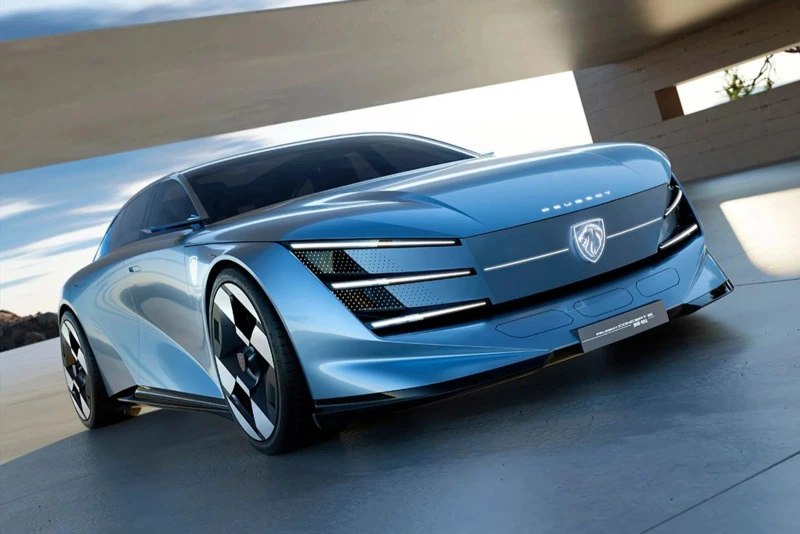
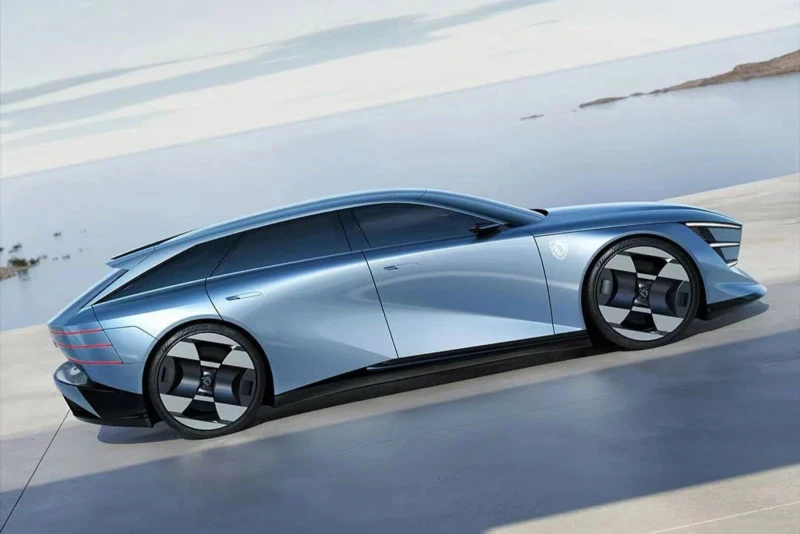
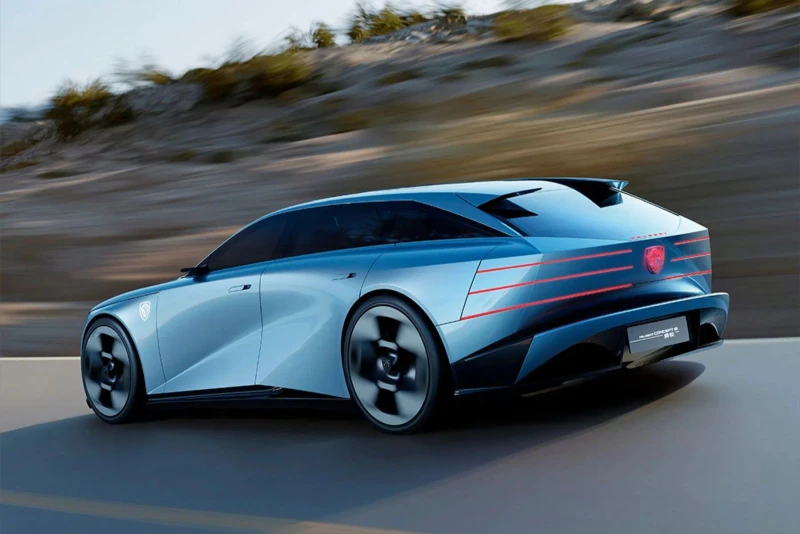
At the Beijing Motor Show, the company presented several concept models illustrating its future direction. Among them was a substantial vehicle with an unconventional design that blends elements of a sporty station wagon and a liftback.
In the Chinese market this format is not among the most popular. Demand traditionally focuses on sedans, crossovers and minivans. The very appearance of a station wagon concept therefore immediately raised questions about its future.
Peugeot representatives later confirmed that the project had been considered for markets beyond China from the beginning. Production of the future model is planned in cooperation with Dongfeng, with sales intended to reach other regions, including Europe.
The European market remains one of the few where large station wagons continue to maintain a stable customer base. These vehicles appeal particularly to family buyers and drivers who value spaciousness, comfort and a lower center of gravity compared with SUVs.
What the New Peugeot Flagship Could Offer
According to preliminary information, the concept will serve as the basis for the brand’s future flagship, which may carry the Peugeot 608 designation. The vehicle is expected to be substantially larger than the current Peugeot 308.
Anticipated features of the model include:
- overall length of approximately 5 meters;
- spacious business-class cabin;
- advanced infotainment system;
- generous cargo capacity;
- distinctive aerodynamic profile.
The concept’s design differs noticeably from most modern station wagons. It features a long roofline, slim LED lighting units and intricately sculpted side panels. At the same time, the body adopts a sportier rather than purely utilitarian character.
This approach may represent Peugeot’s attempt to revive interest in large family vehicles through more engaging design.
Powertrain Options Under Consideration
At the presentation, company representatives spoke primarily about an electric version. Experts nevertheless do not exclude the possibility of hybrid and gasoline-powered variants.
This reflects a shift in Stellantis Group strategy, which has recently adopted a more cautious stance toward a full transition to electric vehicles. For large and premium models, conventional internal combustion engines remain an important consideration for many buyers.
This factor is especially relevant in the European market, where interest in electric vehicles continues to depend on charging infrastructure, energy costs and vehicle pricing.
Market Entry Challenges
Despite interest in the project, Peugeot faces a difficult task. The large station wagon segment in Europe has contracted considerably, and most of the brand’s customers today choose more accessible models.
Even the current Peugeot 308 has recorded relatively modest sales in certain markets, despite its modern design and broad range of powertrains.
In addition, the new flagship station wagon is likely to be positioned as a premium vehicle. According to preliminary estimates, its price could exceed $130,000 depending on specification and powertrain configuration.
Revival of a Niche Segment
Peugeot’s plans indicate that European manufacturers are not yet prepared to abandon large station wagons entirely. Despite the dominance of SUVs, these vehicles continue to attract a dedicated audience thanks to their combination of practicality, handling and more expressive design.
If the project reaches series production, the European market could gain another uncommon alternative to the growing number of large crossovers.