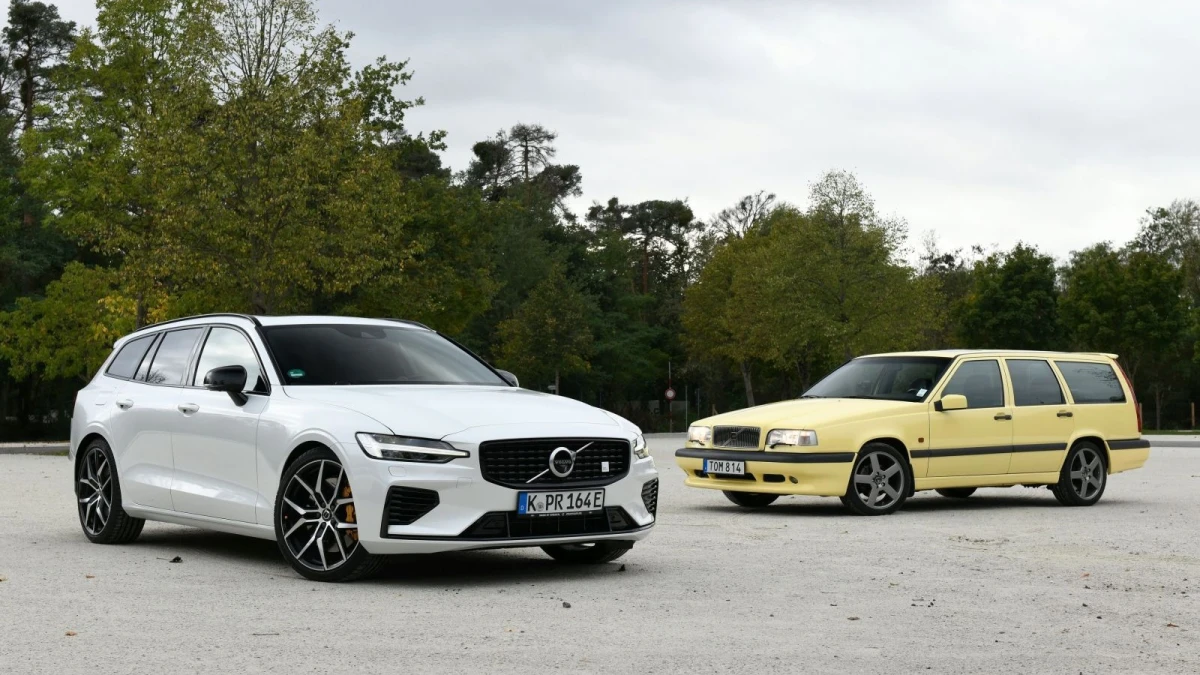
Specialized platforms today facilitate the sale of both classic sports cars and rare collector models valued at hundreds of thousands of dollars. However, the rising popularity of digital auctions has brought new challenges that were largely absent from traditional auction formats.
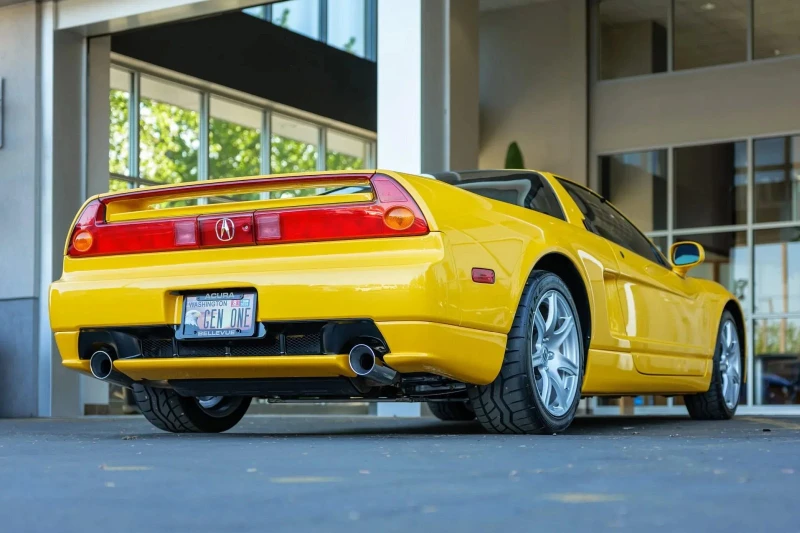
One notable example is the recent sale of a 2005 Honda NSX on the Bring a Trailer platform. An incorrect bid entry resulted in a contentious situation that led to dissatisfaction among participants and prompted questions about the conduct of online auctions.
Why This Honda NSX Drew Attention
This concerns a rare variant of the Honda NSX, which was marketed under the Acura brand in certain markets. The vehicle appealed strongly to collectors for several reasons.
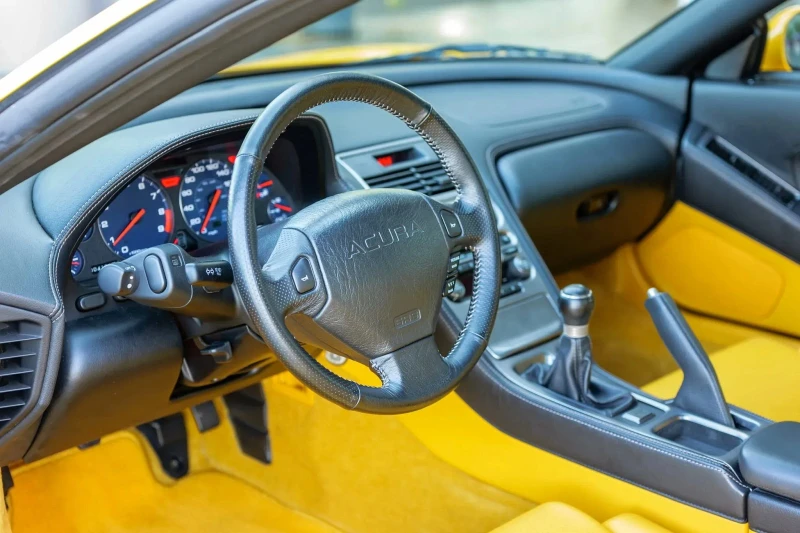
The consigned example featured:
- manual transmission;
- approximately 6,800 kilometers on the odometer;
- a single owner since new;
- condition close to new.
Such attributes are highly significant for the NSX. The first generation of this sports car is widely regarded as a modern classic of Japanese automotive engineering, with low-mileage, original late-production examples commanding particular interest.
Consequently, the auction rapidly attracted numerous bidders, and competition intensified.
How the Error Altered the Bidding
The decisive phase began once the price neared $293,000. One bidder then unexpectedly jumped the offer to $394,000.
In high-stakes auctions, such aggressive increments are sometimes deployed to apply psychological pressure on rivals, signaling strong commitment and potentially discouraging further bids.
Shortly thereafter, however, the same bidder commented that the entry had been a mistake and that $294,000 had been the intended figure.
The incident was rendered more striking by the platform's multiple confirmation steps designed to prevent precisely such accidental submissions.
Why the Auction Provoked Dispute
Once the erroneous bid was placed, participation dropped sharply. Many bidders presumed the vehicle had effectively sold at an elevated price and withdrew.
It subsequently emerged that the apparent winner declined to complete the purchase at the mistaken amount. Auction organizers then entered into private discussions with the seller and select participants.
The outcome was a sale to a different buyer at around $310,000, without reopening the auction publicly.
This approach drew criticism from some quarters. Certain interested parties argued that the auction should have been restarted once the error was acknowledged, to afford all bidders equal opportunity.
Issues Inherent to Digital Auction Formats
The Honda NSX case underscores distinctive aspects of contemporary online vehicle sales. Traditional auction venues often allow contentious matters to be addressed immediately through direct interaction between the auctioneer and buyers present. Digital environments can render similar errors considerably more difficult to resolve equitably.
The substantial prices commanded by rare automobiles amplify the stakes; a minor input error can translate into discrepancies of tens of thousands of dollars.
Platform operators, for their part, generally prioritize transaction completion between the parties over the re-initiation of bidding.
Rare Cars Maintain Upward Value Trajectory
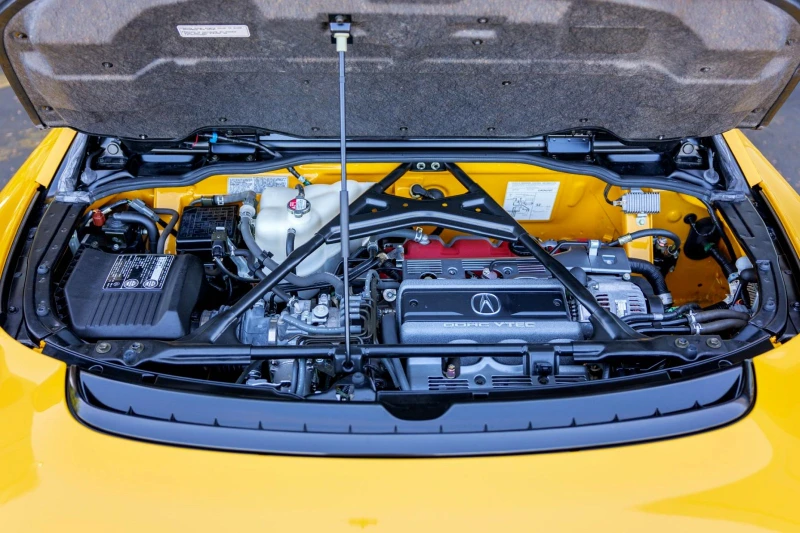
Irrespective of the surrounding dispute, the episode affirms robust collector demand for early-2000s Japanese sports cars. Low-mileage examples equipped with manual transmissions remain especially desirable.
The Honda NSX has for some time been counted among the premier Japanese sports cars of its generation, and the finite supply of pristine survivors continues to underpin strong market interest in comparable vehicles.