


While SUVs continue to dominate buyer attention, the A3 IV (8Y) remains the choice for drivers who want genuine premium atmosphere without extra ride height or paying a premium for fleeting trends. Since its 2020 debut on the MQB Evo platform and the 2024/2025 facelift, the model has evolved thoughtfully rather than chasing every fad. It has matured just enough to stay relevant on typical roads where urban potholes, occasional gravel access roads, and long Interstate stretches demand more than just attractive styling — they require real durability and poise.
Evolution, Not Revolution: What Changed from the Third Generation
Directly comparing the Audi A3 IV to its 8V predecessor highlights how Audi’s engineers prioritized refinement in the details over dramatic reinvention. The wheelbase carries over, but the body grew slightly longer and wider, while the drag coefficient improved to 0.25–0.28. This translates directly to better efficiency and noticeably lower wind noise at sustained highway speeds above 75 mph — ideal for cross-country or daily Interstate driving.
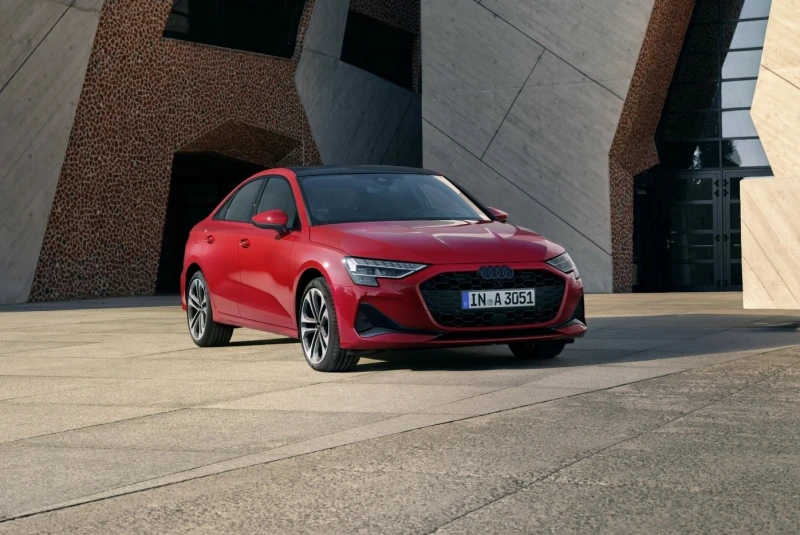
Visually, the fourth generation appears more taut and purposeful. Soft curves gave way to sculpted flanks, a prominent Singleframe grille, and advanced LED headlights (with adaptive functionality in higher trims) that can highlight curves and adjust to conditions. The rear lights with dynamic sequential turn signals are a small but distinctive touch that sets the A3 apart in traffic.
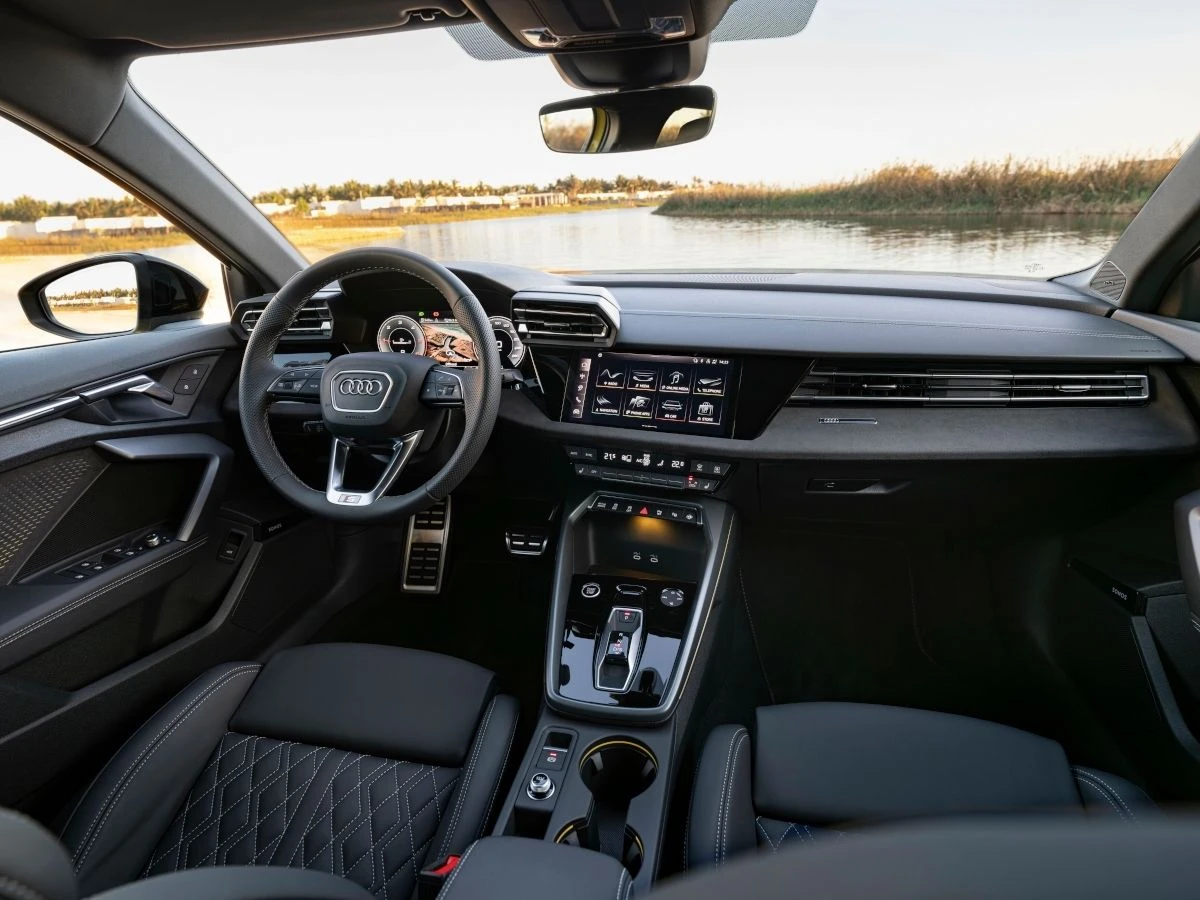
Inside, the changes feel even more significant. The signature round air vents that defined the A3 for two generations have been retired. In their place sits a clean, driver-focused horizontal dashboard dominated by a 10.1-inch MMI touchscreen and the standard Virtual Cockpit digital instrument cluster. The cabin is quieter, materials have been upgraded, and the ergonomics remain class-leading — something Audi has refined over decades. For owners, this means the car still feels fresh and relevant even after three or four years of ownership.
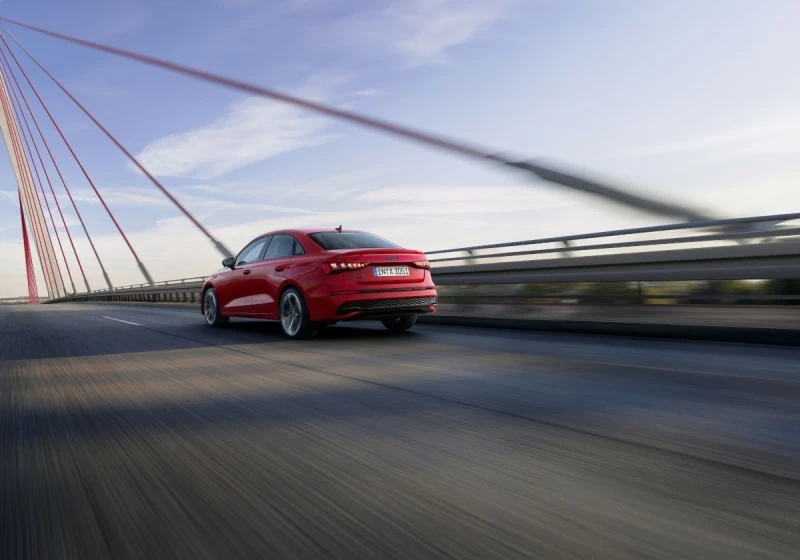
MQB Evo in Real-World Conditions
The MQB Evo architecture brought greater body rigidity along with a more sophisticated suspension setup. On typical roads this shows up as improved absorption of small imperfections and excellent high-speed composure. The quattro all-wheel-drive system — once a rarer option — is now more widely available and frequently chosen; it remains one of the A3’s strongest advantages over front-drive rivals when dealing with snow, rain, or light gravel.
Today’s Market: What Dealers Offer and What’s Moving on the Used Market
New 2025–2026 models are offered with the facelifted 2.0-liter turbocharged inline-four (201 hp) featuring mild-hybrid assist, paired with the seven-speed S tronic dual-clutch transmission. Drivetrains include front-wheel drive or quattro all-wheel drive depending on trim.
New vehicle pricing starts at approximately $40,000 for the entry Premium trim. With popular options — S line exterior and interior packages, premium audio, adaptive cruise control, and enhanced driver assistance — transaction prices commonly reach $48,000–$55,000. On the used market the picture is attractive: clean 2021–2022 models with 20,000–45,000 miles typically change hands in the $22,000–$32,000 range. Newer 2023–2025 examples in good condition generally list between $28,000 and $38,000, varying with mileage, service history, and equipment.
The most sought-after configurations are sedans equipped with the 201-hp 2.0 TFSI and S tronic, frequently in S line specification. The mild-hybrid system contributes to strong real-world efficiency — expect 26–30 mpg in mixed driving, with highway runs often delivering 32–34 mpg.
Head-to-Head: Why Choose the A3 Over BMW or Mercedes Alternatives
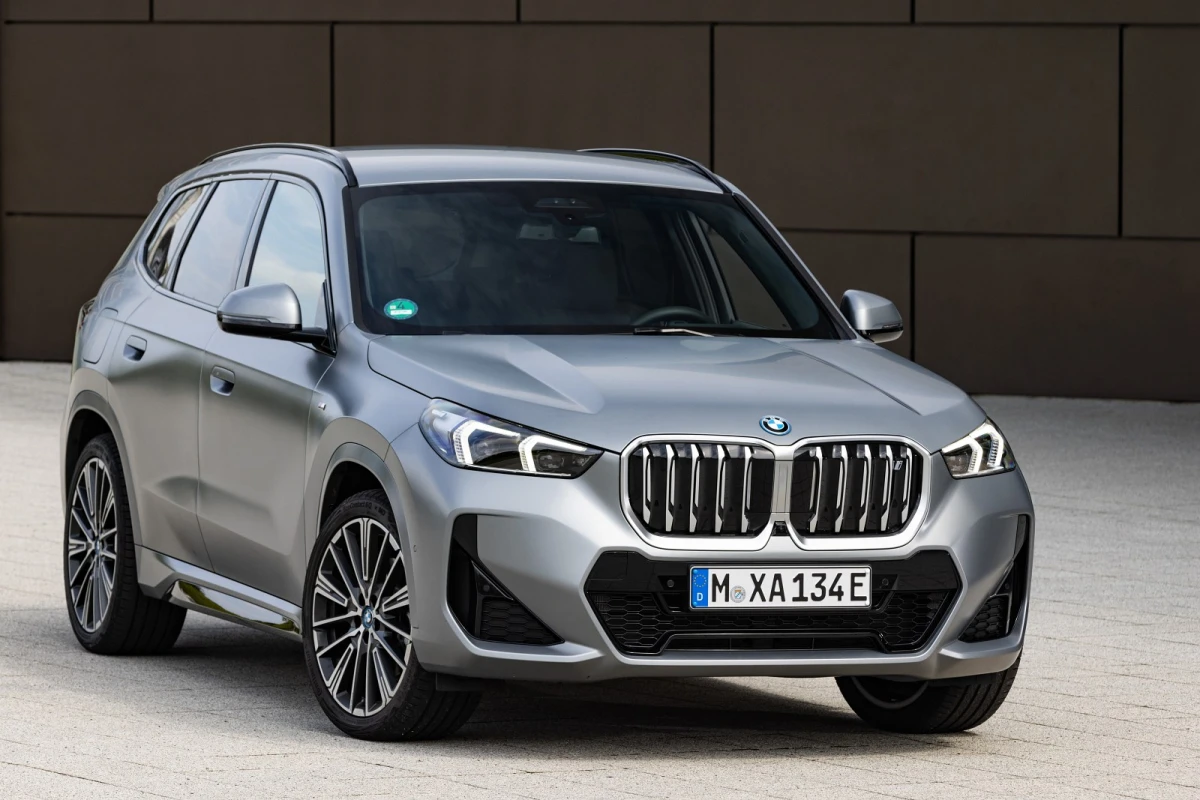
In the premium compact sedan arena, the Audi A3 IV competes directly with the BMW 2 Series Gran Coupe and the Mercedes-Benz CLA. The segment is competitive, but the A3 consistently earns praise for its overall balance.
The BMW delivers sharper handling and a more engaging character, with strong power delivery in higher-output versions. However, the ride can feel firmer over broken pavement. The Mercedes CLA stands out with dramatic styling and one of the best infotainment systems in the class, yet it can sacrifice some rear-seat and cargo practicality, and its ride quality on imperfect roads doesn’t always match the Audi’s composure.
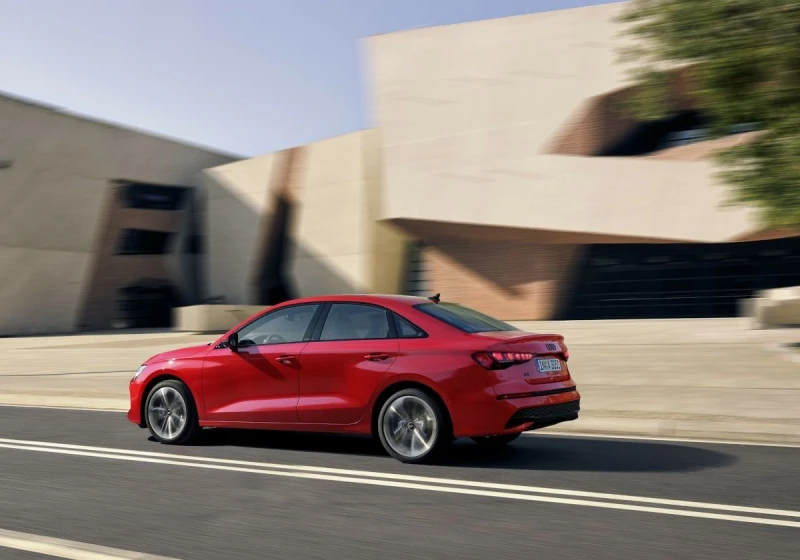
The A3 IV wins on equilibrium. Available quattro all-wheel drive combined with approximately 5.5 inches of ground clearance provides reassuring capability on snow-packed roads or gravel-strewn rural routes. The rear seat is cozy for three full-size adults but perfectly comfortable for a small family or a couple plus children. Audi also traditionally leads the segment in residual value — the 8Y holds its worth strongly on the used market.
Compared with the previous-generation A3, the fourth generation feels more contemporary thanks to its digital cockpit and upgraded safety systems, including Pre Sense with automatic emergency braking. Yet it preserves the light, responsive steering and playful chassis balance that made the earlier generation so likable.
Real-World Ownership for Drivers
Who benefits most from an Audi A3 IV today? Primarily professionals, young families, and enthusiasts who want a premium daily driver that doesn’t force compromises on performance or comfort. It suits commuting, highway trips, and occasional weekend adventures equally well.
Ownership experience demonstrates solid reliability when maintenance is kept up to date. Audi’s dealer network covers most major markets, and parts availability is good — though OEM components carry the expected premium pricing. Real-world fuel consumption for the 2.0 TFSI typically lands in the 25–28 mpg range in mixed conditions; the mild-hybrid assist helps in stop-and-go traffic. Come winter, quattro traction paired with available heated seats, steering wheel, and windshield make cold-weather driving far less stressful.
Owner-reported drawbacks include the modest trunk capacity (roughly 10 cubic feet) and elevated maintenance costs once the car passes 60,000–80,000 miles. Relative to direct competitors, however, these factors rarely become deal-breakers. Many owners moving up from the prior generation comment that the newer car is noticeably quieter and more technologically advanced while retaining the same enjoyable driving dynamics.
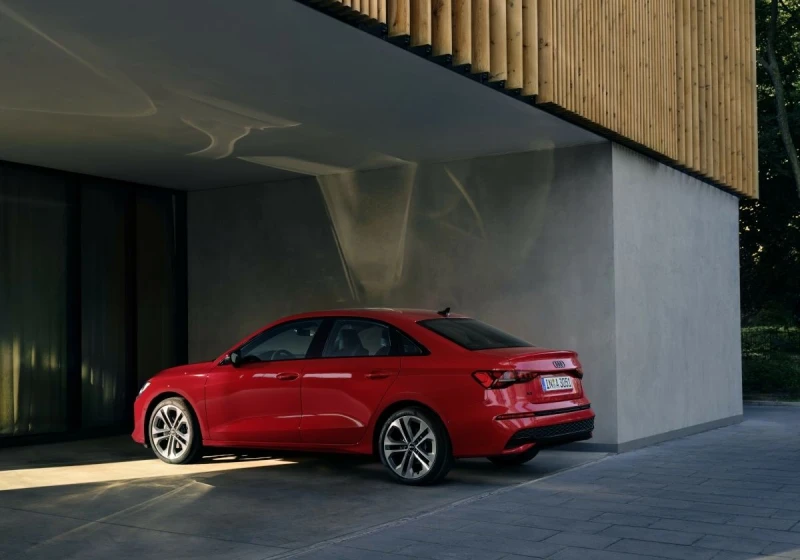
Choosing the Right Example in 2026
If budget allows, a new 2025–2026 facelift model equipped with the full suite of adaptive LED lighting and driver assistance features represents the most future-proof choice. Those looking to save $8,000–$12,000 can target a low-mileage 2023–2024 example or a certified pre-owned vehicle. The key is always verifying a complete service history — Audi vehicles reward owners who stay on top of scheduled maintenance.
The Audi A3 fourth generation doesn’t aim to shock with revolutionary engineering. It simply performs its role as a premium compact sedan more effectively than most rivals, particularly on the diverse road surfaces and weather conditions most drivers encounter every day. That consistent, well-rounded competence is exactly why it continues to represent one of the most sensible entry points into premium motoring.
In the end, the fourth-generation A3 is less about instant “wow” and more about long-term satisfaction, predictable behavior, and genuine driving enjoyment. It delivers precisely what most owners need when daily driving mixes highway efficiency, all-weather security, and everyday practicality.