


Like every vehicle, the 2023 CR-V has its Achilles’ heels. We’ve gathered owner reports, technician feedback, and forum data to highlight the most common trouble spots — from the AWD system to the turbo engine quirks — plus practical fixes to keep repair bills low.
AWD System Issues: Real Time AWD with i-VTM4
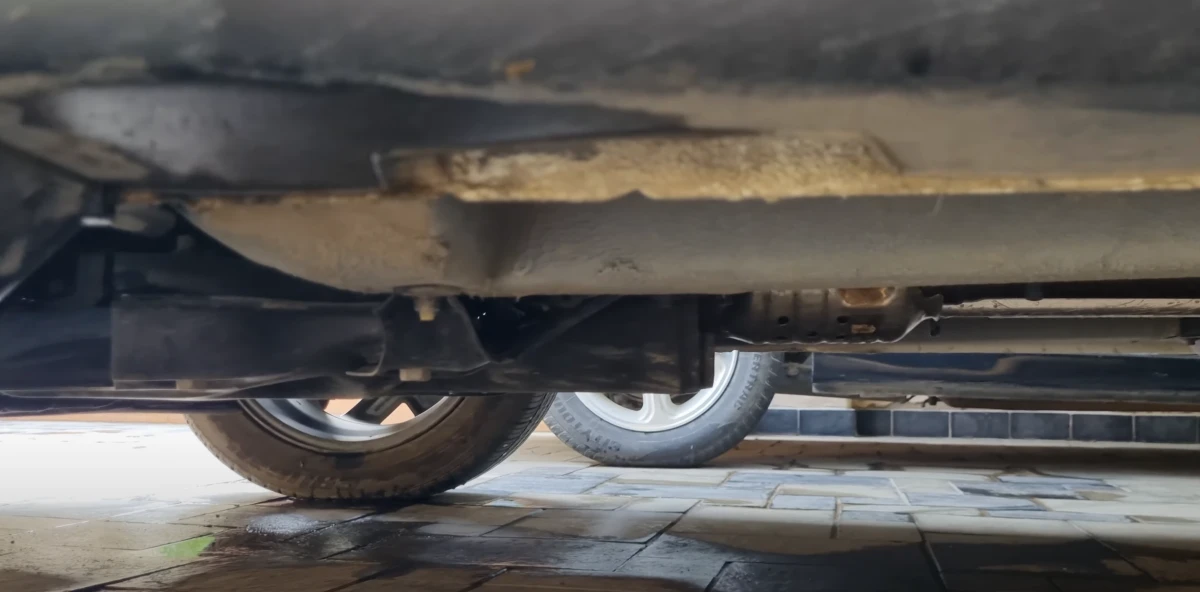
The 2023 CR-V uses Honda’s Real Time AWD, which engages the rear axle on demand. Starting around 35-40k miles, many owners report premature wear in the rear differential clutch pack, especially on vehicles frequently driven in snowbelt states or light off-road use. Leaking rear diff seals are also common.
Maintenance Tips:
- Inspect the rear differential fluid and seals at 30-40k miles. Seal replacement typically runs $250–$400 at an independent shop.
- Change rear differential fluid every 30k miles using genuine Honda Dual Pump Fluid II.
- Avoid prolonged wheel spin in snow or mud — it cooks the clutch pack fast.
Full rear coupling replacement can hit $2,500–$3,500, so prevention pays off.
Engine Concerns: 1.5T Gasoline Dilution & Hybrid Battery
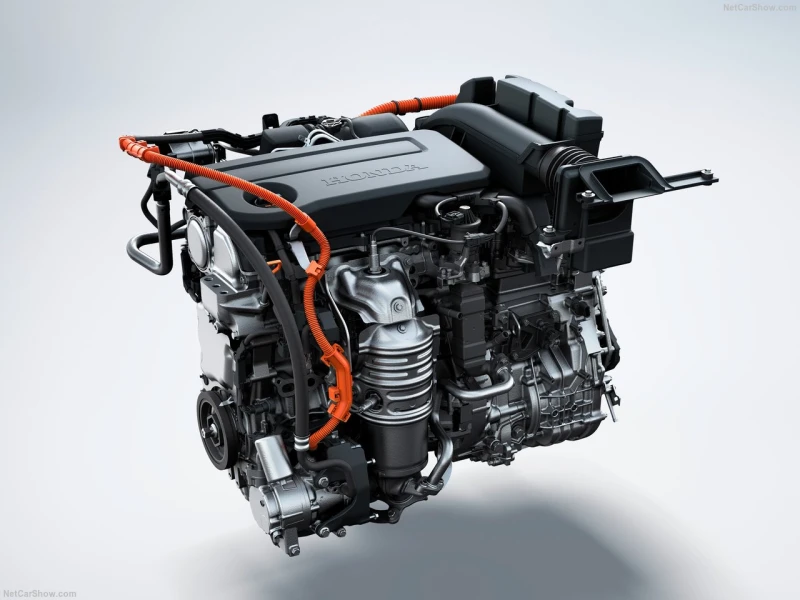
US-market 2023 CR-Vs come with either the 190-hp 1.5-liter turbo or the 204-hp e:HEV hybrid powertrain.
1.5 Turbo (L15BE) – Fuel-in-Oil Dilution
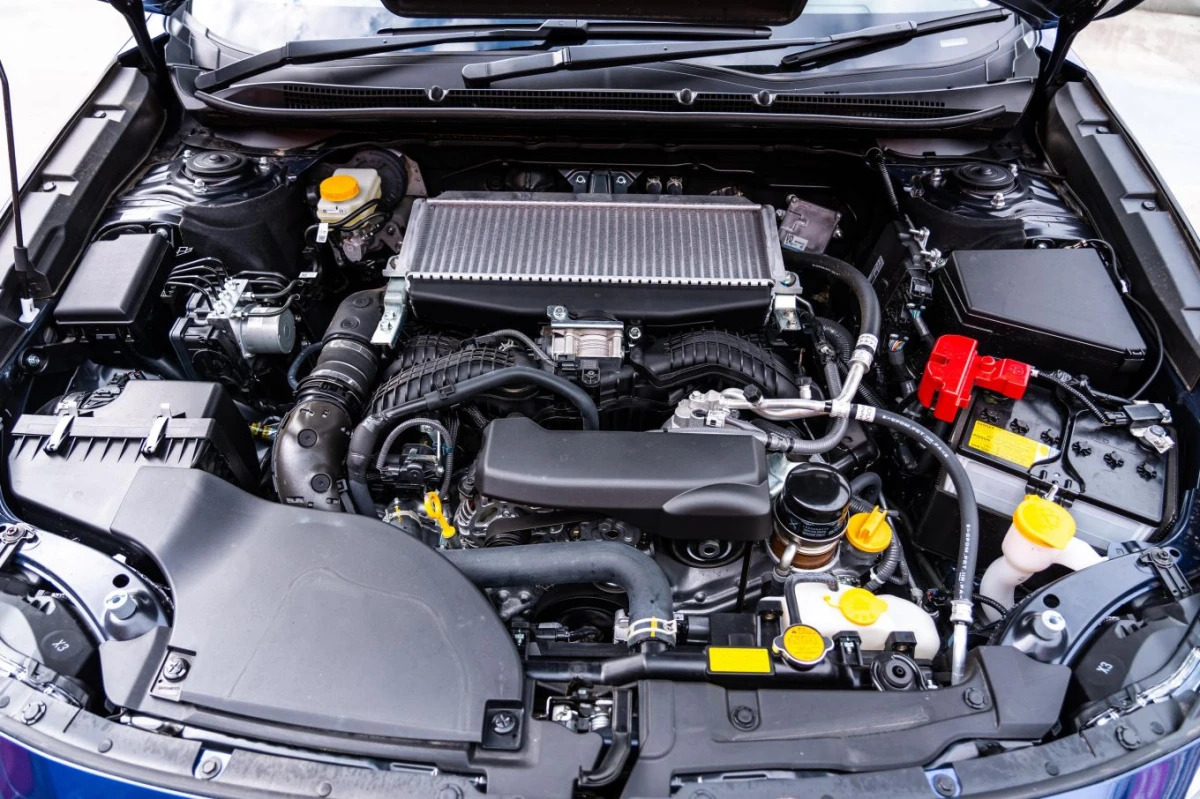
The well-documented 1.5T fuel dilution issue is still present in 2023 models. Cold-start short trips allow unburned fuel to wash past the rings, thinning the oil and accelerating bearing wear. By 50k miles some engines show elevated oil consumption or even cylinder scoring.
Maintenance Tips:
- Change oil every 5,000–7,000 miles (or sooner in cold climates) with 0W-20 meeting Honda HTO-06 spec.
- Avoid trips under 15 minutes when temperatures are below 40°F.
- Check oil level every 1,000–2,000 miles. If it rises or smells like gas, change it immediately.
Hybrid System (2.0 + Electric Motors)
The e:HEV setup delivers excellent 40+ mpg but high-voltage battery capacity can drop noticeably after 70k miles, especially in hot states (AZ, TX, FL). Overheating of the power electronics during prolonged 80+ mph highway runs in summer heat has also been reported.
Maintenance Tips:
- Have the hybrid battery health checked at every major service. Cell replacement (if needed) typically costs $2,000–$3,500.
- Clean the hybrid cooling radiator every 15–20k miles.
- Limit sustained speeds above 80 mph when ambient temps exceed 95°F.
Electronics & Honda Sensing Glitches
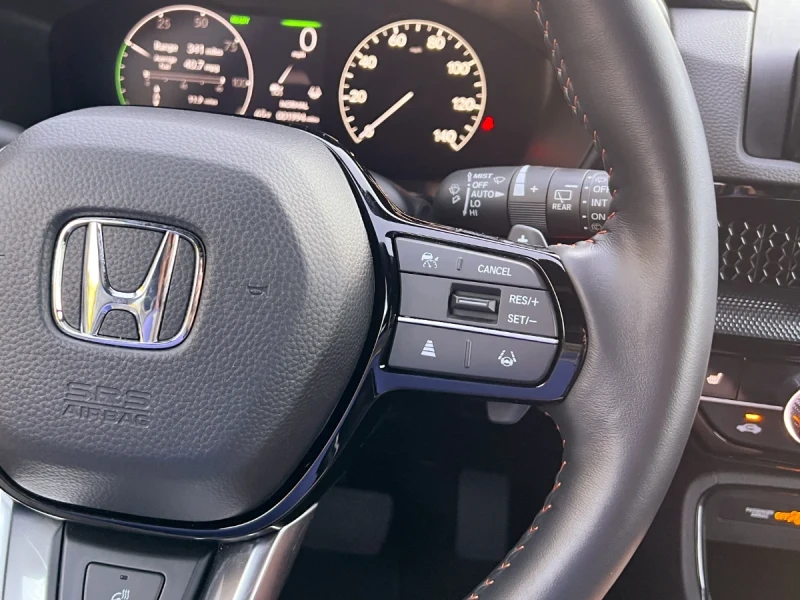
Adaptive cruise control and lane-keeping assist can randomly disengage or throw errors. The 9-inch touchscreen infotainment occasionally freezes, and wireless Android Auto/Apple CarPlay drops connection.
Maintenance Tips:
- Keep software updated via OTA or dealer visits every 6–12 months.
- Clean front camera and radar sensors regularly — road grime is the #1 cause of false alerts.
- Head unit replacement (if required) runs ~$1,200–$1,800.
Body & Paint Vulnerabilities
Honda’s paint is notoriously thin. Highway miles quickly produce rock chips on the hood and bumper. Roof-rail mounting points can develop surface rust in salt-belt states.
Maintenance Tips:
- Apply paint-protection film (PPF) or ceramic coating from day one.
- Inspect and treat roof-rail bolts twice a year if you live where road salt is used.
- Wash underbody and wheel wells thoroughly after winter driving.
Suspension Wear on American Roads
Front sway-bar links and bushings wear out by 40–50k miles on rough pavement. Rear shocks (especially rear) sag earlier when regularly loaded or towing.
Maintenance Tips:
- Replace front sway-bar links proactively (~$150–$250 pair).
- Consider Bilstein or KYB struts if you frequently carry heavy loads.
- Stay within GVWR to preserve rear suspension life.
Minor Gripes: Noise & Ergonomics
Road and wind noise become noticeable above 70 mph. Taller drivers sometimes find seat travel and steering-wheel reach marginally short on long trips.
Quick Fixes:
- Add aftermarket sound deadening to wheel wells and doors.
- Use lumbar support cushions if needed.
Final Verdict: Should You Buy a 2023 Honda CR-V?
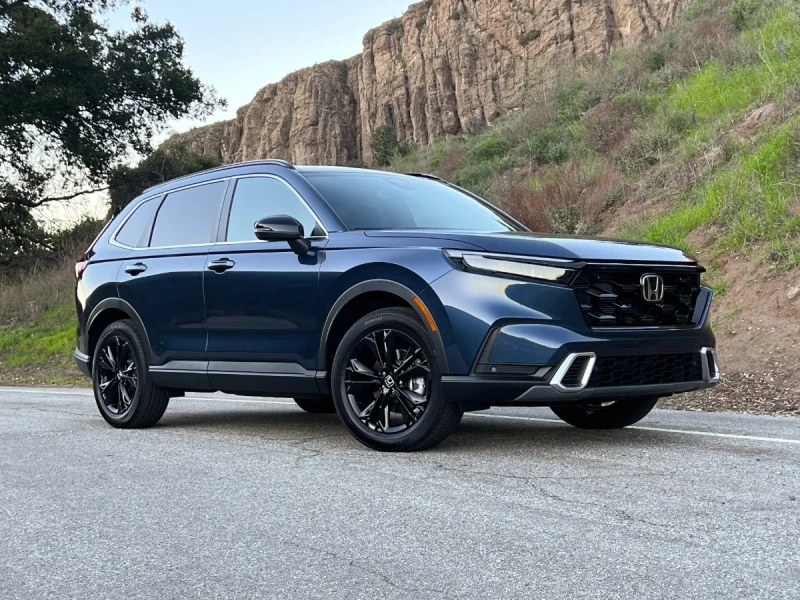
The 2023 CR-V is still one of the most practical, resale-strong compact SUVs on the US market. With disciplined maintenance — especially oil changes, AWD fluid service, and software updates — most owners enjoy trouble-free ownership. If buying used, budget for a thorough pre-purchase inspection focusing on the items above.
Strong Alternatives in the US Market
- Toyota RAV4 2023: Benchmark reliability, hybrid option, higher resale.
- Hyundai Tucson 2023: Bold styling, loaded with tech, long warranty.
- Mazda CX-5 2023: Best-in-class driving dynamics and premium interior.
- Subaru Forester 2023: Standard AWD, excellent for snow and snow.
- Kia Sportage 2023: Great value, 10-year powertrain warranty.
- Nissan Rogue 2023: Smooth ride, spacious rear seat, strong safety scores.