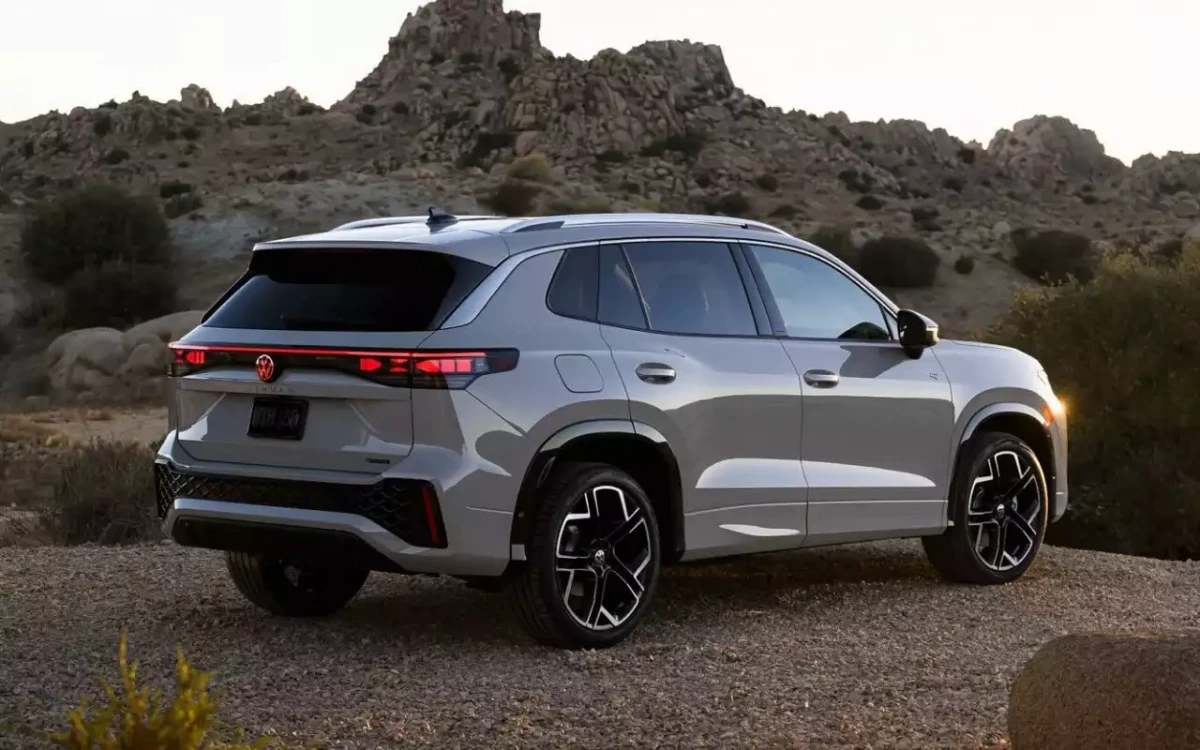
With a choice of the proven 2.5L naturally aspirated or punchy 2.4L turbo flat-four, symmetrical all-wheel drive, and the latest-generation EyeSight suite on an 11.6-inch portrait touchscreen, the Outback remains a go-to for families, outdoor enthusiasts, and anyone who wants SUV capability in a wagon package. That said, even Subaru’s famous reliability has limits. This guide pulls together thousands of owner reports from forums, NHTSA complaints, and dealer feedback across the United States to highlight the most common trouble spots — and how to stay ahead of them.
Engine: Strong Overall, but Watch the Oil
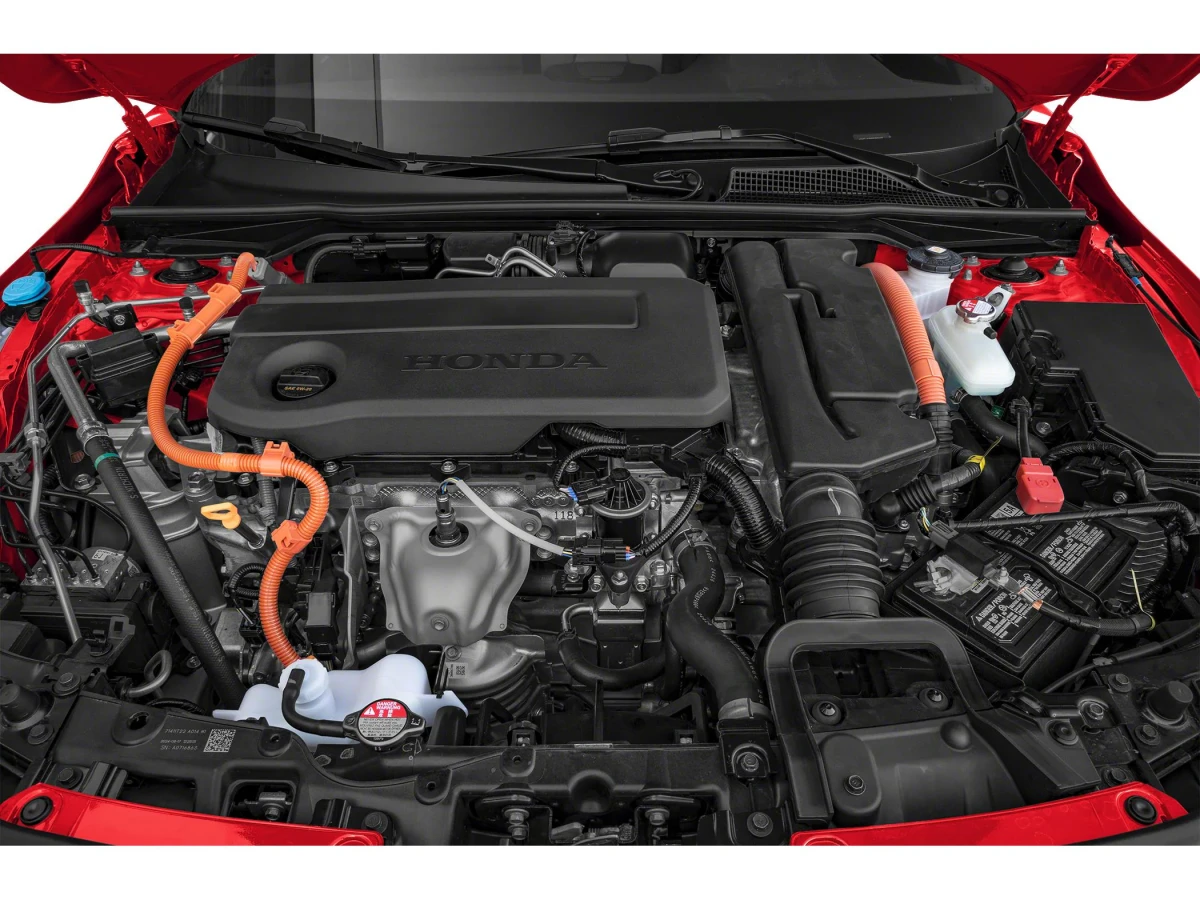
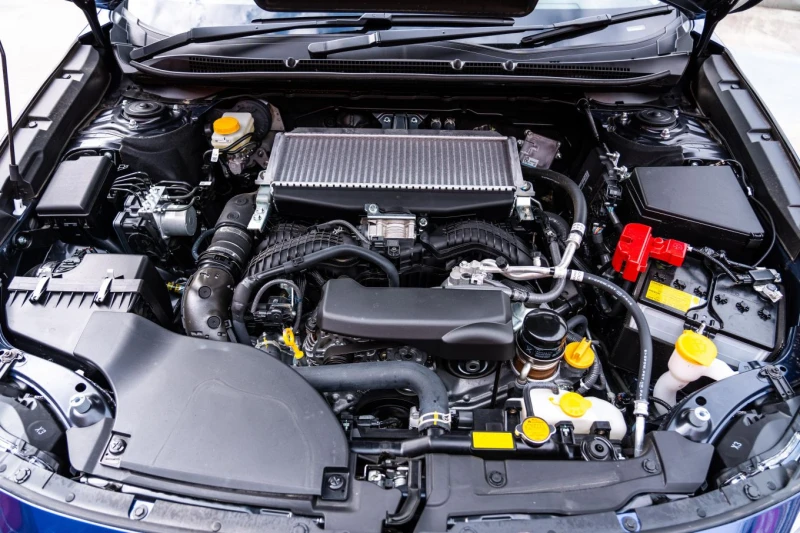
The 2025 Outback offers the 182-hp 2.5L boxer-four or the 260-hp turbo 2.4L. Both are generally durable, yet the naturally aspirated 2.5L is known for gradually increasing oil consumption after 50,000–70,000 miles, especially if you frequently run it hard on highways like I-70 or I-80. The turbo engine is pickier about fuel quality and oil change intervals — skip those and turbo wear can appear early. Vibration from worn engine mounts is another frequent complaint.
How to keep the boxer healthy:
- Stick to full-synthetic 0W-20 meeting API SP; change it every 6,000 miles (or 6 months) even if the oil-life monitor says you’re good for 7,500.
- Check the dipstick every other fill-up. More than 1 quart low every 3,000 miles warrants a piston-ring inspection.
- For the turbo model, always use 91+ octane premium unleaded from Top Tier stations.
- Inspect engine and transmission mounts at every tire rotation after 40,000 miles. A single mount runs $250–$400 installed at most independent shops.
Transmission & AWD: CVT and Overheating Concerns
Every 2025 Outback uses Subaru’s Lineartronic CVT paired with symmetrical AWD. The combo is smooth in daily driving, but some owners report judder or hesitation after 60,000–90,000 miles, often tied to chain wear or outdated TCU software. The rear differential clutch packs can overheat during extended off-road crawling or heavy towing on trails like the Rubicon or Moab.
Maintenance tips that actually work:
- Change CVT fluid every 40,000 miles using genuine Subaru High Torque CVT fluid (expect $350–$550 at a dealer or good indie shop).
- Have the latest TCU reflash applied at the dealer if you feel any shudder.
- Scan the AWD duty solenoid and clutch temperature during routine service. Overheating repairs can easily hit $2,000+.
- Front and rear differential plus transfer case fluid swaps every 30,000–40,000 miles for heavy off-road use.
Electronics & EyeSight: Cutting-Edge but Not Bug-Free
The vertical 11.6-inch Starlink infotainment and dual-camera EyeSight system are highlights, yet owners report random freezes, wireless CarPlay dropouts, and backup-camera failures. EyeSight can throw false braking alerts or disable itself in heavy rain or when sensors ice over in northern states.
Ways to minimize headaches:
- Accept every over-the-air update and visit the dealer yearly for the latest EyeSight calibration (free under warranty).
- Clean the windshield cameras and radar sensor after salty winter drives.
- Persistent infotainment reboots often require a new APIM module — $1,200–$1,800 part + labor.
Suspension & Steering: Built for Dirt, Not Potholes
The raised suspension eats up forest service roads, but front stabilizer bushings wear quickly on crumbling interstate concrete, and struts can start leaking by 70,000 miles when regularly loaded. Steering rack clunks appear on higher-mileage examples.
Proven fixes:
- Replace sway-bar bushings proactively around 40,000 miles ($150–$250 job).
- Upgrade to Bilstein or KYB struts if you live where roads resemble the moon.
- Rack repair or replacement runs $1,200–$2,200.
Body & Paint: Thin Clear Coat Blues
Factory paint is notoriously soft; highway miles on I-5 or I-95 mean rock chips on the hood and bumper within the first year. Hidden areas under roof rails can bubble after a few salty Northeast or Midwest winters.
Protection that pays off:
- Apply paint-protection film (PPF) to the front end and rockers right after delivery ($1,500–$2,500 well spent).
- Touch up chips immediately and wax twice a year.
- Wash the underbody thoroughly after winter driving.
Interior & NVH: Spacious but Noisy
The cabin is roomy and rugged, but road and tire noise are noticeable above 70 mph, lower dash plastics can creak, and the seats feel firm on cross-country trips.
Comfort upgrades owners love:
- Add aftermarket sound deadening to doors and wheel wells ($800–$1,500 DIY or pro install).
- Seat cushions or Katzkin leather help on long hauls.
- Silicone spray on plastic trim stops most rattles.
What Real American Owners Say
Across SubaruOutback.org, Reddit’s r/Subaru_Outback, and Facebook groups, the consensus is clear: unbeatable capability and safety, but plan on higher-than-average maintenance costs and don’t skip fluid changes. Most would buy again — provided they stay on top of service.
Should You Buy a 2025 Subaru Outback?
If you need genuine all-weather, all-terrain ability with wagon practicality, the Outback is still tough to beat. Just budget for religious maintenance and some protective upgrades. Always have any used example inspected by a Subaru-specialist shop before purchase.
Strong Alternatives in the U.S. Market
- Toyota RAV4 2025: Bulletproof reliability, better resale, hybrid option.
- Honda CR-V 2025: Smoother ride, roomier back seat, lower ownership costs.
- Mazda CX-50 2025: More engaging to drive, upscale interior.
- Hyundai Santa Fe 2025: Bold styling, longer warranty, available hybrid.
- Volkswagen Tiguan 2025: Refined on-road manners, third-row option.