This car is built for drivers who want sporty handling, cutting-edge tech, and wallet-friendly fuel bills. Like every vehicle, though, the 2025 Civic Hybrid has its quirks and potential trouble spots. We’ve dug through owner forums, U.S. service data, and long-term tests to separate hype from reality.
Key Specs and First Drive Impressions
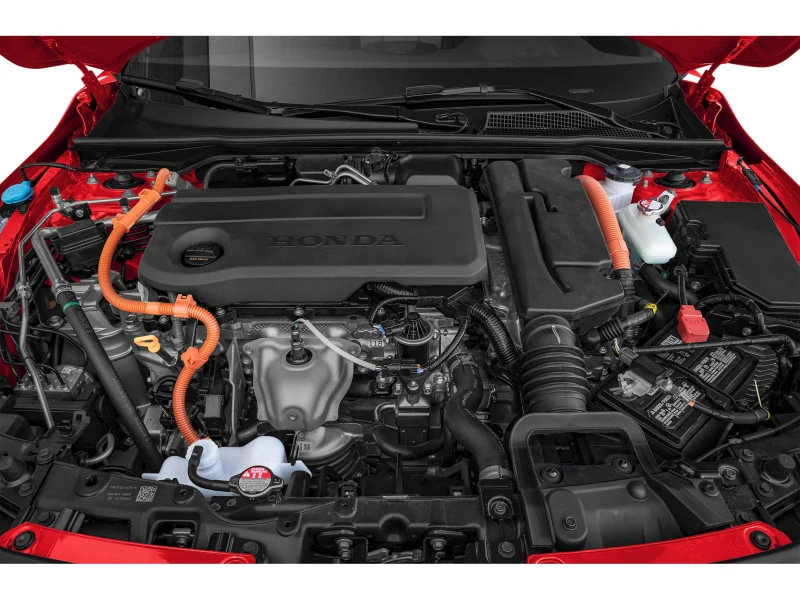
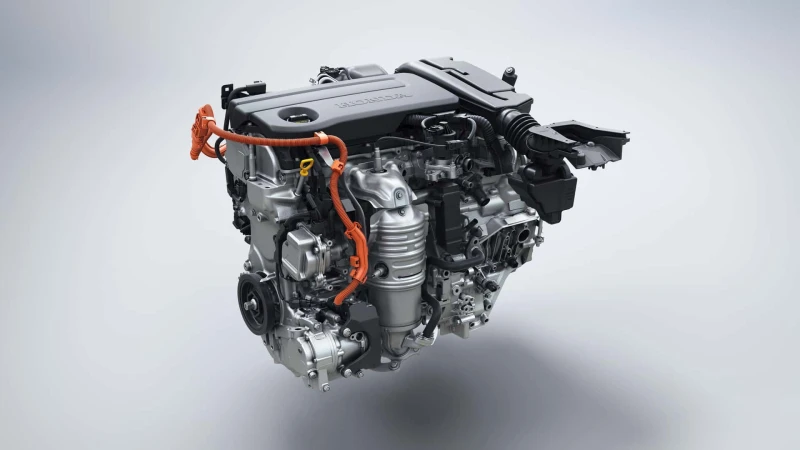
The 2025 Civic Hybrid uses Honda’s proven e:HEV powertrain: a 2.0-liter gasoline engine paired with two electric motors for a combined 184–200 hp (depending on trim). It’s front-wheel drive only, with an e-CVT transmission. 0-60 mph arrives in about 7.5 seconds and top speed is electronically limited to 112 mph. EPA ratings are excellent: up to 50 mpg city, 47 mpg highway, and 49 mpg combined. The car measures 179 inches long with a 107.7-inch wheelbase and offers a class-leading 14.8 cu ft trunk (hatchback body style).
Owners praise the smooth ride, roomy cabin, and crisp 9-inch touchscreen with wireless Apple CarPlay/Android Auto. The main adjustment period is getting used to the e-CVT’s rubber-band feel under hard acceleration.
Hybrid System: How Reliable Is It Really?
Honda’s e:HEV setup has a strong track record, but older Civic Hybrids (2006–2015) showed battery degradation after 100–150k miles, especially in very hot or cold climates. Early 2025 owners haven’t reported major issues yet, but capacity loss remains the #1 long-term concern.
Tips to Maximize Hybrid Battery Life:
- Avoid letting the battery sit at 0% — take regular 20+ minute drives to keep it conditioned.
- Have the hybrid battery health checked at every major service (typically $100–$150 at a dealer).
- Keep the powertrain control module software up to date — updates are free under warranty.
- Use only 0W-20 full-synthetic oil and change it every 7,500–10,000 miles.
e-CVT Transmission: Smooth but Noisy?
The e-CVT delivers seamless power but can drone under heavy throttle — a characteristic Honda hybrid sound. So far, 2025 models show no widespread failures, but previous-gen cars occasionally needed clutch pack or bearing repairs after 120k+ miles in stop-and-go traffic.
Maintenance Recommendations:
- Change e-CVT fluid every 30,000–40,000 miles using genuine Honda HCF-2 ($80–$120 parts + labor).
- Avoid repeated hard launches to minimize heat buildup.
- Any jerking or unusual noise warrants immediate dealer diagnostics.
Electronics & Infotainment: Great When It Works
The 9-inch touchscreen and 10.2-inch digital gauge cluster look sharp and include standard Honda Sensing (adaptive cruise, lane-keep, auto emergency braking). Wireless CarPlay/Android Auto is flaky for some owners — wired connection solves most glitches. False alerts from collision warning in heavy rain are also reported.
Quick Fixes:
- Accept over-the-air or dealer software updates (free for 3 years).
- Clean front camera and radar sensors regularly.
- Use a cable for CarPlay/Android Auto if wireless drops.
Suspension & Chassis: Holds Up on American Roads?
The multi-link rear suspension strikes a nice balance between comfort and cornering. Front strut bushings and rear shock mounts tend to wear first on rough roads — typically 40–60k miles in states with harsh winters or poor pavement.
Pro Tips:
- Inspect stabilizer links every oil change; replacement pairs cost $150–$250.
- Consider upgraded shocks (KYB Excel-G or Bilstein B6) if you carry loads or hit potholes often.
- Get an alignment every 15,000 miles or after hitting big potholes.
Body, Interior & Noise Levels
Paint is on the thin side — rock chips appear quickly on highways. Windshield replacements run $400–$800 because of the embedded ADAS camera. Interior materials feel upscale for the class, though some rattles develop over time. Highway noise (tire + wind) is noticeable above 70 mph.
Worthwhile Protection Upgrades:
- Clear paint protection film on hood & bumper ($800–$1,500).
- Extra sound deadening in doors and wheel wells ($600–$1,200 installed).
- Seat covers or ceramic interior coating to preserve upholstery.
Owner Verdict: Pros vs Cons
Most common owner praises:
- Real-world 48–55 mpg without trying hard.
- Surprisingly fun to drive for a hybrid.
- Spacious rear seat and trunk.
- Strong resale value.
Most common complaints:
- Wireless phone connectivity bugs.
- Road noise on concrete interstates.
- Dealer service costs higher than Toyota.
- e-CVT drone under acceleration.
Warranty & Service Costs
Honda offers 3 years/36,000 miles basic + 5 years/60,000 miles powertrain. The hybrid battery is warrantied 8 years/100,000 miles (10 years/150,000 miles in CARB states). Routine maintenance runs $400–$600 every 10k miles at dealers.
Main Competitors
- Toyota Corolla Hybrid — slightly better mpg, softer ride, cheaper to maintain.
- Hyundai Elantra Hybrid — more features for the money, 10-year powertrain warranty.
- Toyota Prius 2025 — up to 57 mpg, polarizing looks, less engaging to drive.
Should You Buy One?
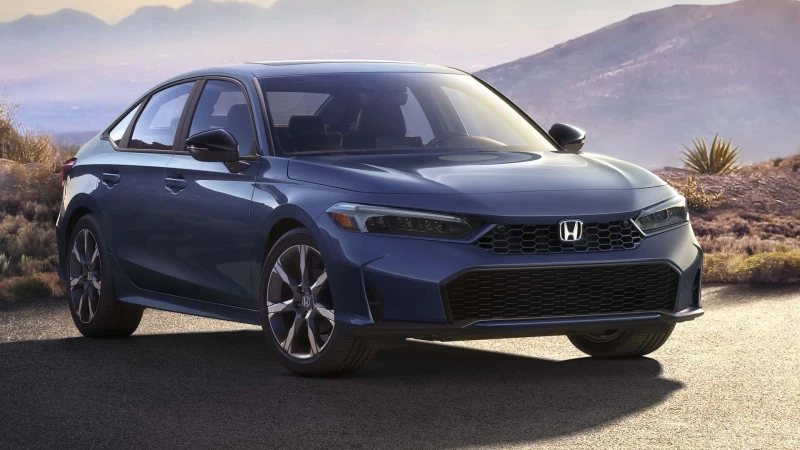
The 2025 Honda Civic Hybrid delivers on its promises: 50+ mpg, fun handling, and modern tech in a practical package. Approximate U.S. market price range: $28,000–$34,000 depending on trim. If you drive a lot in the city and want a compact that doesn’t feel like a penalty box, it’s one of the best options today — just budget for proper maintenance and consider paint protection in salt-belt states.