



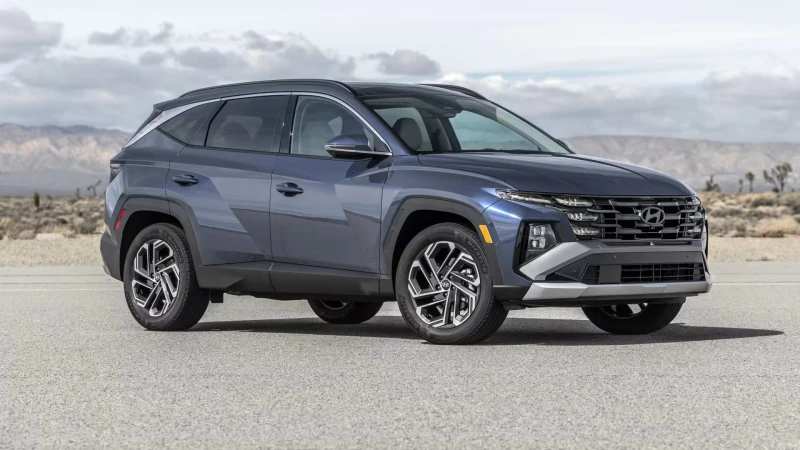
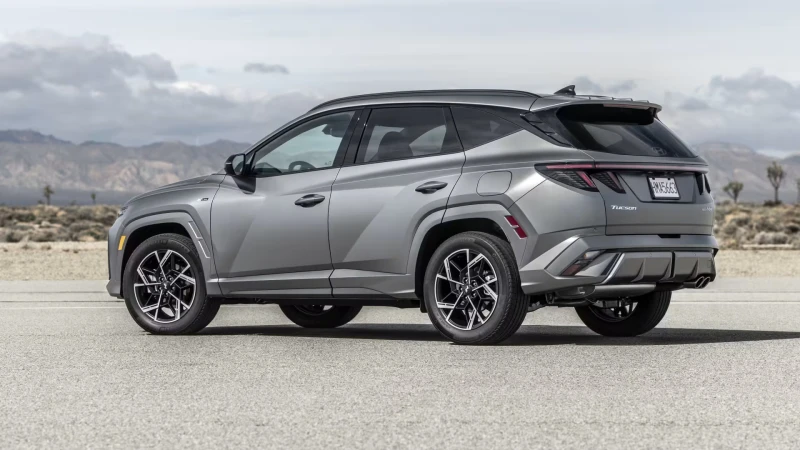
Slide behind the wheel of a 2025 Hyundai Tucson and everything feels right: smooth ride, giant screens, and that bold styling that turns heads on the highway. Then, a few months in, the forums light up — jerky shifts, glitchy infotainment, suspension knocks over every pothole. We’ve dug into owner reports, TSBs, and real-world data to separate the hype from the headaches. Spoiler: know the weak spots, stay on top of maintenance, and this Korean crossover can still be a solid daily driver.
Under the Hood: Engines and Their Quirks
The 2025 Tucson offers three powertrain choices in the US, and each has its own personality.
- 2.5L Naturally Aspirated (187 hp): Reliable workhorse but feels sluggish — 0-60 mph in about 9 seconds. Owners on forums like TucsonForum and Reddit report carbon buildup and injector clogging when running regular 87-octane instead of recommended premium 91. Bad tank of fuel? Expect misfires and a $400–$600 cleaning bill at the dealer.
- 1.6L Turbo Hybrid (231 hp): Great for city fuel economy (up to 38 mpg combined), but the hand-off between gas and electric can feel jerky in stop-and-go traffic. Some describe it as “the car hiccuping” when the system decides who’s in charge.
- Plug-in Hybrid (PHEV, 261 hp): Up to 33 miles of electric range sounds awesome — until winter hits. Cold weather can cut range by 20-30%, and the gas engine takes longer to warm up. Owners in northern states complain the heater robs even more range.
How to avoid expensive surprises:
- Stick to Top Tier premium fuel for the 2.5L; consider walnut blasting injectors every 50k miles (~$450).
- Change engine oil (0W-20 full synthetic) every 5,000–7,500 miles under “severe” conditions — most US driving qualifies.
- For hybrids & PHEV, get the high-voltage battery checked annually (usually $150–$250 at the dealer).
- Pre-condition the PHEV while plugged in during winter — saves range and your sanity.
Transmission: Why Does It Jerk?
US-spec Tucsons get an 8-speed conventional automatic (gas), 6-speed auto (hybrid), or 7-speed DCT in some trims. The HTRAC AWD system is slick on snow, but…
In heavy traffic the gas models can hesitate or lurch between gears. Hybrids sometimes shudder when switching to EV mode. Push the AWD system hard off-road and the clutch pack can overheat — suddenly you’re in FWD-only with a dash full of warning lights. Repair bills for the transfer case or clutch pack commonly run $1,800–$3,500.
Keep the transmission happy:
- Change ATF every 50–60k miles (roughly $300–$450 at the dealer).
- If you feel jerking, ask for the latest TCM software update — usually free under warranty.
- AWD owners: have the PTU and rear clutch pack inspected every 40k miles if you tow or off-road.
Suspension: Potholes Are the Enemy
Front MacPherson struts, rear multi-link — comfortable on smooth highways, but America’s crumbling roads punish it. Stabilizer bushings start knocking around 25–35k miles, rear shocks can leak by 50k if you regularly carry heavy loads. Ground clearance is only 8.3 inches in AWD models — bottom out too often and you’ll bend the exhaust or scrape the battery shield on PHEVs.
Extend suspension life:
- Replace stabilizer bushings proactively (~$250–$400 parts + labor).
- Upgrade to Bilstein or Koni shocks if you live where roads look like the moon (~$800–$1,200 installed).
- Alignment every 15–20k miles, especially after hitting potholes ($100–$150).
Electronics: When the Screens Go Rogue
Dual 12.3-inch displays, wireless CarPlay/Android Auto, and BlueLink telematics look futuristic — until the infotainment freezes on the interstate or BlueLink drains the 12V battery after two weeks in the airport lot. Cold-weather states also report camera washers freezing and blind-spot monitors throwing false alerts when lenses get salty.
Stay sane with the tech:
- Accept every OTA update and visit the dealer yearly for firmware flashes (free under warranty).
- Replace the AGM battery every 4–5 years (~$250–$350).
- Clean cameras and sensors after every winter wash.
- Disable BlueLink “remote services” when parking long-term.
Body & Interior: Paint, Rust, and Rattles
Hyundai’s paint is notoriously thin — rock chips on the hood appear within the first 10k miles on the interstate. Undercarriage and wheel wells are galvanized, but weld seams under the doors can show surface rust in the Snowbelt states after 2–3 winters. Cabin materials look upscale, but road noise above 70 mph is noticeable, and some plastic trim pieces buzz over expansion joints.
Protect your investment:
- Full-front PPF or at least hood/fenders ($1,200–$2,500) pays for itself in resale value.
- Fluid Film or Woolwax underbody treatment every fall in salt states ($300–$500).
- Additional sound deadening in doors and floor (~$1,500–$2,500) transforms highway comfort.
What Owners Really Say
Across Reddit, TucsonForum, and Facebook groups:
- Pros:
- Head-turning design and loaded features for the price.
- Hybrid & PHEV models deliver real-world 35+ mpg.
- Best-in-class warranty (5 yr/60k basic, 10 yr/100k powertrain).
- Cons:
- Base engine feels underpowered on freeway merges.
- Infotainment and driver-assist glitches are common.
- Thin paint and road noise disappoint at this price point.
Better Alternatives in the Segment
If the Tucson’s quirks scare you off:
- Toyota RAV4 — bulletproof reliability, stronger resale.
- Honda CR-V — smoother powertrains, fewer electronic gremlins.
- Mazda CX-50 — more fun to drive, better interior feel.
- Subaru Forester — superior AWD for snow-country drivers.
Final Verdict: Buy or Pass?
The 2025 Hyundai Tucson is the cool kid in the compact crossover class — until the quirks show up. If you love the styling, tech, and fuel efficiency, and you’re willing to baby it with premium fuel, regular maintenance, and some protective mods, it can be a rewarding ownership experience. The hybrid powertrain is the sweet spot for most buyers. Just don’t expect “set it and forget it” Toyota levels of indifference. Thorough pre-purchase inspection (especially transmission behavior and electronics) is non-negotiable on used examples. Approximate US market price for a well-maintained 2025 Tucson: $26,000–$36,000 depending on trim and powertrain.