



Slide behind the wheel of the 2025 Opel Frontera and you’re hit with that fresh-car vibe: sharp styling, high seating position, and a big touchscreen that screams modern. But give it a few months and the owner forums light up: suspension knocking over potholes, infotainment glitches, and in cold weather the hybrid battery range takes a nosedive. Let’s break down where the Frontera tends to hurt, how to minimize the pain, and whether it’s worth the gamble on America’s less-than-perfect roads and variable fuel quality.
Under the Hood: What Whines and Fails First
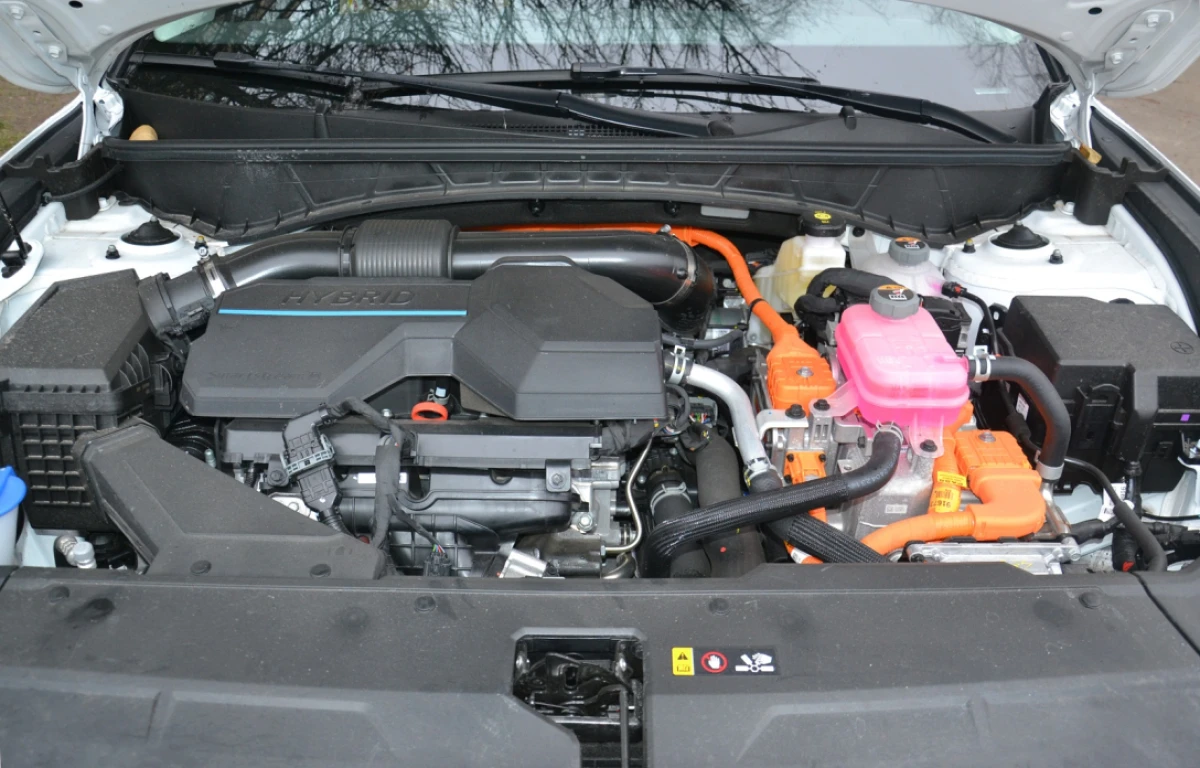
The 2025 Frontera comes with three powertrain choices, each with its own personality quirks. The gas-only 1.2L turbo (100–136 hp) feels peppy around town but runs out of breath on the highway when fully loaded—like it’s towing an invisible trailer. Owners on forums report the turbo starting to weep oil around 25,000–30,000 miles; a replacement runs $1,800–$2,800 at an independent shop.The mild-hybrid setup (136 hp gas + electric motor) sips fuel (around 42–45 mpg combined), but transitions between gas and electric can feel jerky—dealers often fix it with a control-module reflash. The full-electric version (156 hp) promises up to 248 miles of range, but in real winter conditions below 15°F you’ll be lucky to see 180–200 miles, and Level 1 charging at 120V still takes 6–7 hours.
How to Stay Ahead of Big Bills:
- For the gas turbo, stick to Top Tier 91-octane premium and change oil (0W-20 full synthetic) every 5,000–6,000 miles (~$80–$120). Fuel-injector cleaning every 30k miles prevents hesitation (~$250).
- Hybrid owners: get the high-voltage battery health check annually (~$150–$200). Avoid letting it drop to 0% regularly.
- EV drivers love a warm garage. Install a Level 2 home charger ($600–$1,200 installed) and precondition the cabin while plugged in on cold mornings.
Transmission & AWD: Where the Drama Lives
You can get a 6-speed manual (solid), a traditional 6-speed auto (gas models), or the 7-speed e-DCT dual-clutch (hybrid). The manual clutch wears fast in stop-and-go traffic—expect replacement around 40k miles (~$1,200–$1,600). The e-DCT can shudder from a stop if it’s been sitting in traffic; software updates usually calm it down. The on-demand AWD is fine for snow-covered interstates but overheats the rear coupling if you push it hard off-road. Transfer-case seals often start leaking by 35k miles—repair ~$1,000–$1,500.
Longevity Tips:
- Change ATF every 40k miles on conventional autos (~$300–$450).
- e-DCT owners: keep software current—free under warranty.
- Scan the AWD clutch temperature every 20k miles (~$100) to catch issues early.
Suspension: It Hates Potholes
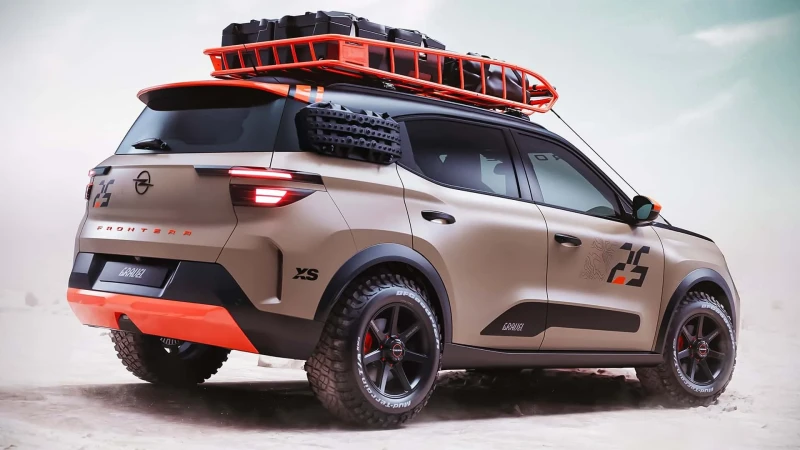
The ride is soft and comfortable, but the MacPherson-strut front and torsion-beam rear weren’t built for cratered city streets or rural backroads. Front sway-bar bushings knock by 20k miles (~$250–$350 to replace). Rear shocks start leaking around 35k miles if you regularly carry passengers or cargo (~$600–$900 pair). Ground clearance is listed at 7.5 inches—decent, but the front bumper still scrapes on steep driveways.
How to Toughen It Up:
- Replace sway-bar bushings proactively every 20k miles—cheap insurance.
- Upgrade to KYB or Bilstein shocks (~$700–$1,000) if you live where roads are rough.
- Get an alignment every 10k miles (~$100–$150); it saves tires and steering feel.
Tech That Drives You Nuts
The 10-inch infotainment with wireless CarPlay/Android Auto looks slick but freezes or reboots randomly—especially over spotty cell service. Lane-keeping assist gets confused by faded markings, and adaptive cruise can phantom-brake in rain. The 12V battery is undersized; electronics start acting up after two years (~$200–$300 replacement).
Sanity Savers:
- Accept every OTA update and visit the dealer yearly for infotainment reflashes (free in warranty).
- Test the 12V battery every fall—many shops do it free.
- Clean front camera/radar sensors after salty winter drives.
Body & Interior: Chips, Rust, and Creaks
Paint is thin—highway rock chips show up fast. Windshields crack easily (~$800–$1,200 OEM replacement with ADAS recalibration). In the Snow Belt, road salt attacks door bottoms if you skip underbody washes. Cabin is roomy but road noise is high above 70 mph, and hard plastics develop rattles. Cloth seats wear at the bolsters by 40k miles.
Preserve the Looks:
- Paint-protection film on hood and bumper (~$800–$1,500) pays for itself.
- Extra sound deadening in doors and floor (~$1,200–$2,000) transforms highway comfort.
- Seat covers or leather upgrade—worth it if you plan to keep the car.
What Real Owners Say
On Reddit, Opel/Vauxhall forums, and Buick Envista groups (same platform), the verdict is mixed: “Looks killer and the hybrid mileage is legit, but the suspension is fragile on potholed roads.” Another: “Infotainment feels like a 2015 tablet.” City manners and styling get praise; light off-road ability disappoints.
Better Alternatives on the U.S. Market
If the Frontera’s gremlins scare you, consider these instead:
- Toyota Corolla Cross Hybrid: Bulletproof reliability, stronger suspension, zero drama.
- Honda HR-V: Refined, great resale, electronics rarely glitch.
- Hyundai Kona: Punchier powertrains, 10-year powertrain warranty, cheaper parts.
- Kia Seltos: Tougher suspension tune, richer features, AWD doesn’t overheat.
- Subaru Crosstrek: Real AWD capability and proven longevity in rough conditions.
Final Verdict: Buy or Pass?
The 2025 Opel Frontera is a head-turning compact crossover that’s affordable and efficient—if you baby it. Rough roads, cold winters, and spotty fuel quickly expose its soft spots: noisy suspension, finicky electronics, and paint that chips too easily. Stick to rigorous maintenance (oil changes every 5k–7k miles, regular scans) and it can be a stylish daily driver. Want set-it-and-forget-it reliability? Look at Toyota, Honda, or Subaru instead. The Frontera is for buyers who fell in love with its looks and are willing to live with a few chronic quirks.