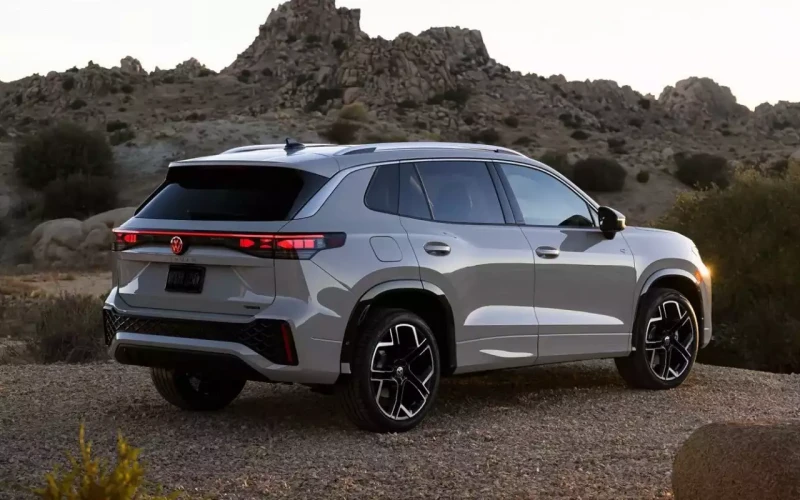
Packed with efficient gasoline and diesel TSI/TDI engines, a quick-shifting DSG dual-clutch or traditional automatic transmission, it’s a favorite among families and spirited drivers. But like any popular model, it has its weak points—issues owners frequently discuss online. In this guide, we break down the most common 2025 Tiguan problems based on real-world experience and share practical maintenance tips to keep yours reliable.
Key Specs and First Impressions
The 2025 Tiguan comes with engine choices including the 1.4 TSI (150 hp), 1.5 TSI (150 hp), 2.0 TSI (184-220 hp), and 2.0 TDI (110-177 hp), paired with front-wheel or 4Motion all-wheel drive. Transmission options include a 6-speed manual, 7-speed DSG, or 8-speed automatic. Owners praise its responsive handling, roomy interior, and tech-loaded cabin, though certain components demand extra care to stay trouble-free.
Engines: Potential Issues and Fixes
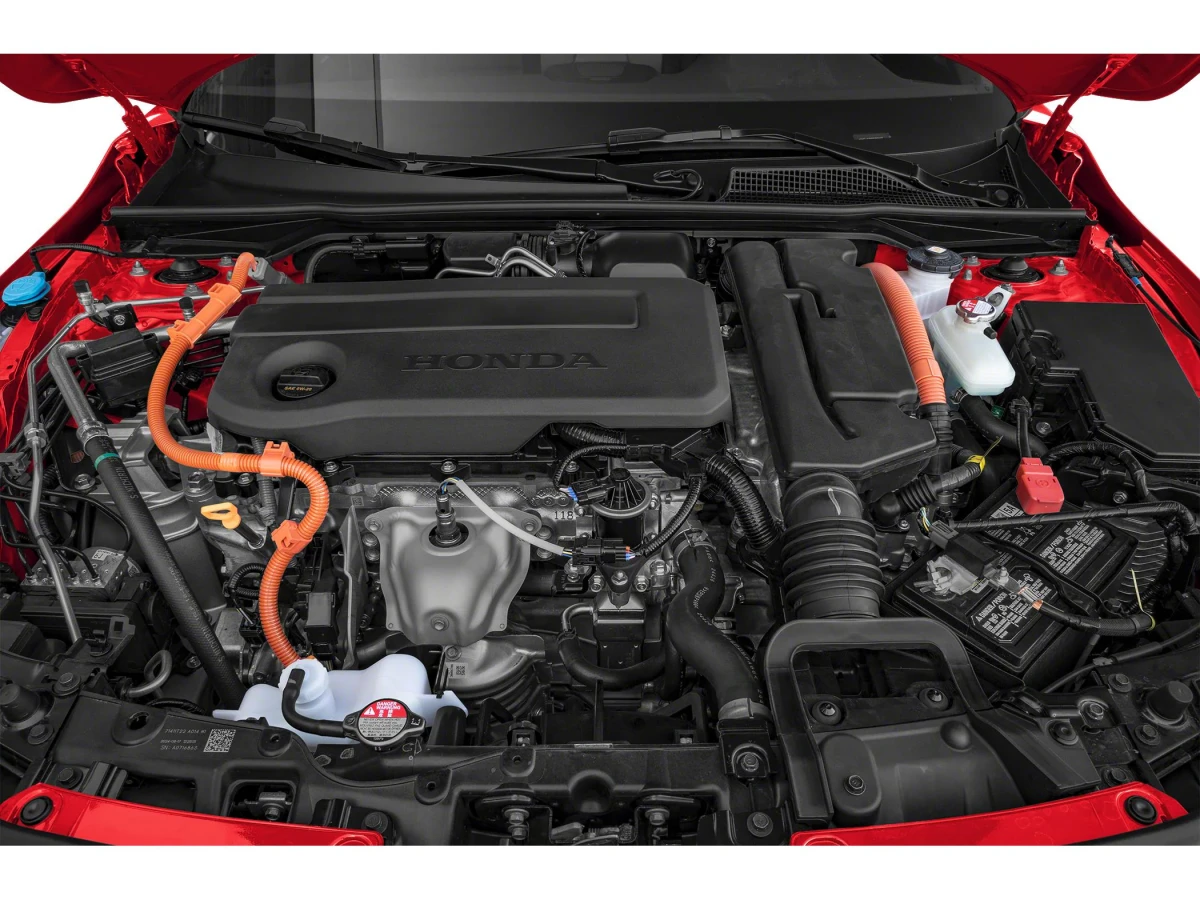
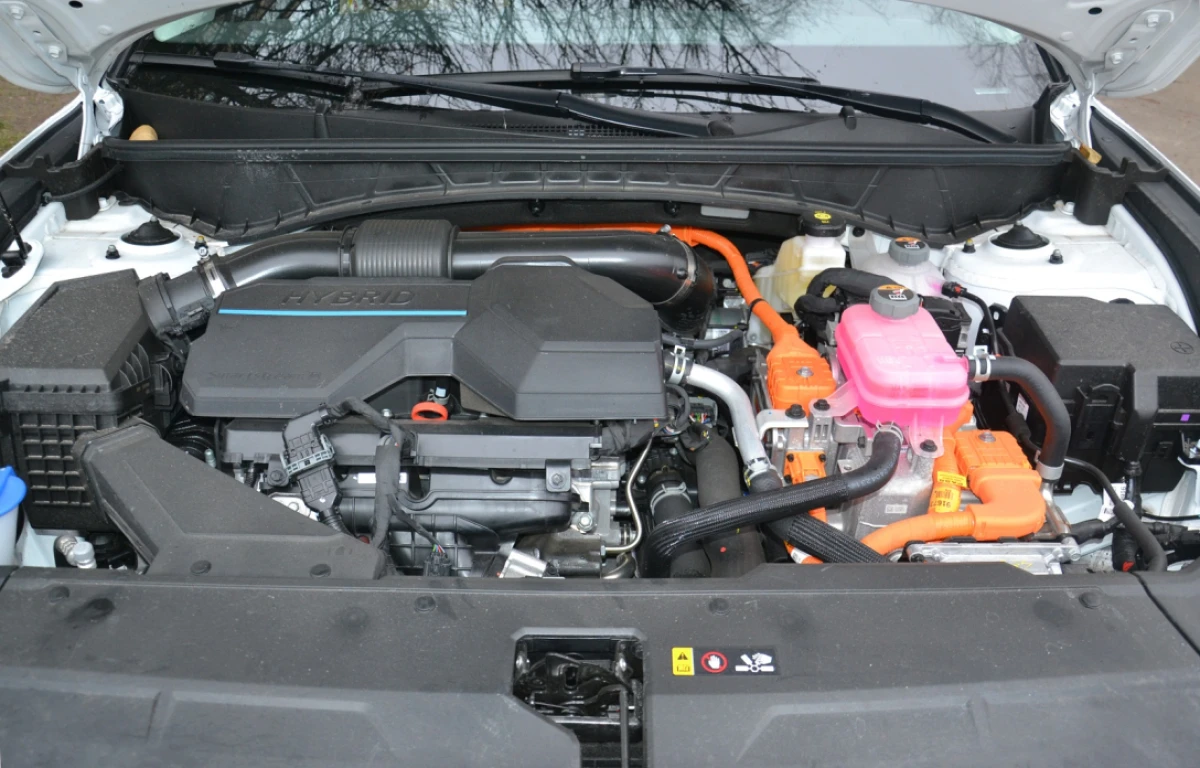
Gasoline TSI engines, particularly the 2.0-liter, can develop higher-than-normal oil consumption (up to 1 quart per 1,000 miles) after 30,000–45,000 miles, especially with aggressive driving. This is often linked to piston ring wear or turbocharger issues. The timing chain on 1.4 and 2.0 TSI engines may stretch around 50,000–60,000 miles, leading to costly repairs if ignored. Diesel TDI variants are generally more durable but sensitive to fuel quality, and the diesel particulate filter (DPF) can clog during frequent short trips. Some owners also report idle vibration caused by worn engine mounts.
How to Prevent Problems:
- Change oil every 5,000–7,500 miles using VW-approved specifications (504.00/507.00). Approximate cost for synthetic oil and filter: $80–$120.
- Check oil level every 1,000 miles on TSI engines. If consumption exceeds 0.5 quart per 1,000 miles, have the turbo inspected.
- Inspect the timing chain every 40,000 miles. Replacement typically runs $1,200–$1,800.
- For TDI models, use ultra-low-sulfur diesel and take occasional highway drives to regenerate the DPF.
Transmission: DSG and All-Wheel Drive
The DSG dual-clutch gearbox (DQ250/DQ500) delivers crisp shifts but is prone to overheating in stop-and-go traffic and clutch wear after 50,000–75,000 miles. Owners sometimes notice jerks during low-speed shifts, especially with the 1.4 TSI. The 4Motion AWD system is robust, though the Haldex coupling can overheat under sustained load, and transfer case seals may leak after 45,000 miles.
Maintenance Tips:
- Service the DSG every 40,000 miles with genuine VW fluid. Approximate cost: $300–$400.
- Update the transmission control module software at a dealer to reduce shift harshness (often free under warranty).
- Service the Haldex system every 30,000–40,000 miles. Fluid change costs around $150–$250.
- Avoid prolonged wheel spin off-road to prevent coupling overheating.
Electronics: Glitches and Solutions
The 2025 Tiguan features a digital instrument cluster, 8- to 10-inch infotainment screen, and advanced driver aids (Lane Assist, Front Assist). Common complaints include infotainment freezes, Apple CarPlay/Android Auto disconnects, and false parking sensor alerts. Some carryover issues from earlier models affect the virtual cockpit, and fuel-level sensor failures have been reported.
Recommendations:
- Keep infotainment and ECU software updated annually at a dealer (usually free while under warranty).
- Monitor battery health, especially in cold weather—low voltage triggers electronic errors. Battery replacement: $150–$250.
- Clean sensors and cameras after driving in rain or mud to prevent false warnings.
- Fuel-level sensor repair typically costs $300–$500.
Suspension: Wear Points and Longevity
The suspension balances comfort and handling, but rough roads accelerate wear. Front sway bar links often clunk by 20,000–30,000 miles, rear shocks may leak after 40,000 miles, and lower control arm bushings/ball joints typically need replacement around 45,000–50,000 miles.
How to Extend Life:
- Inspect sway bar links every 15,000 miles. Pair replacement: $150–$300.
- Consider upgraded shocks (e.g., Bilstein) for better durability.
- Perform wheel alignment every 10,000–15,000 miles. Cost: $80–$150.
- Avoid potholes and speed bumps at high speed to protect bushings.
Body and Interior: Durability Concerns
The body resists rust well, but the paint is thin—chips appear on the hood and bumper after just 10,000–15,000 miles. Windshields are prone to cracks from road debris. Inside, plastic trim can creak over bumps, seat upholstery wears with heavy use, and road/tire noise becomes noticeable above 70 mph.
Protection Tips:
- Apply paint protection film to the front end and rocker panels. Approximate cost: $800–$1,500.
- Consider underbody rust-proofing in salt-belt states: $300–$600.
- Add aftermarket sound deadening to wheel wells and doors: $800–$1,200.
- Use seat covers to preserve upholstery.
Owner Feedback: The Good and the Frustrating
Based on U.S. forums (VWvortex, Tiguan forums, Reddit r/Tiguan, and owner reviews on Edmunds and Cars.com), owners love:
- Strong performance and precise handling, especially with the 2.0 TSI.
- Spacious, premium-feeling cabin.
- Reliable transmission when properly maintained.
- Advanced safety and infotainment features.
Common gripes:
- Thin paint and fragile windshield.
- DSG shift hesitation and clutch wear.
- Infotainment and sensor glitches.
- Higher-than-average dealer service costs.
Alternatives to the 2025 Volkswagen Tiguan
Shopping around? Consider these strong competitors:
- 2025 Toyota RAV4: Proven reliability, huge cargo space, and excellent fuel economy.
- 2025 Mazda CX-5: Engaging drive and upscale styling.
- 2025 Hyundai Tucson: Loaded with features and affordable maintenance.
- 2025 Kia Sportage: Long warranty and modern tech.
- 2025 Honda CR-V: Smooth ride and top resale value.
Final Verdict: Should You Buy One?
The 2025 Volkswagen Tiguan remains a well-rounded compact crossover with plenty of appeal, but it rewards owners who stay on top of maintenance—especially the engine, DSG, and electronics. Regular service with quality fluids and parts goes a long way toward avoiding major issues. Before buying, particularly a used example, have a trusted mechanic check the turbo, transmission, and infotainment system. If you’re willing to invest in proper care, the Tiguan can be a dependable daily driver for city streets and highway miles.