Built on the TNGA-F platform, it blends rugged styling, cutting-edge tech, and exceptional off-road performance.
Like any vehicle, though, the 2025 4Runner has areas that may require attention over time. In this guide, we'll break down potential issues with the powertrains (2.4L i-FORCE Turbo and i-FORCE MAX hybrid), drivetrain, electronics, suspension, and body, plus practical maintenance tips to help keep your SUV running strong for years.
4WD System and Transfer Case Concerns
The 2025 Toyota 4Runner offers part-time 4WD (2H, 4H, 4L) on base models and full-time 4WD with a Torsen center differential on higher trims like TRD Pro and Limited. After 40,000–50,000 miles, especially with heavy off-road use in low-range (4L), some wear in the transfer case can occur. Oil leaks from seals in the transfer case or rear differential are also reported in muddy or wet conditions.
Maintenance Tips:
- Inspect transfer case and differential seals every 25,000 miles. Seal replacement typically costs $300–$500.
- Change fluid in the transfer case and differentials every 30,000–40,000 miles using Toyota-recommended gear oil (like 75W-90).
- Avoid prolonged 4L use on pavement to prevent overheating and premature wear.
A full transfer case repair can run $7,000–$10,000, so preventive care pays off.
Engine Concerns: Gas and Hybrid Variants
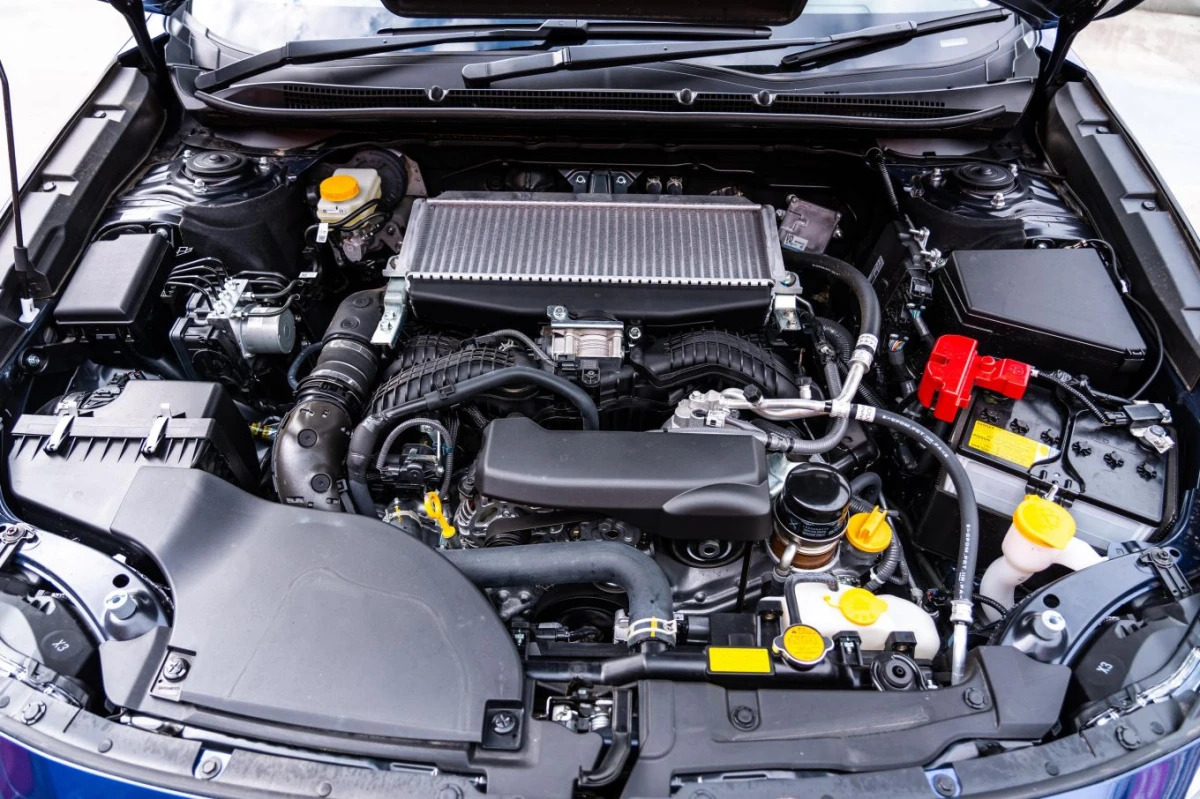
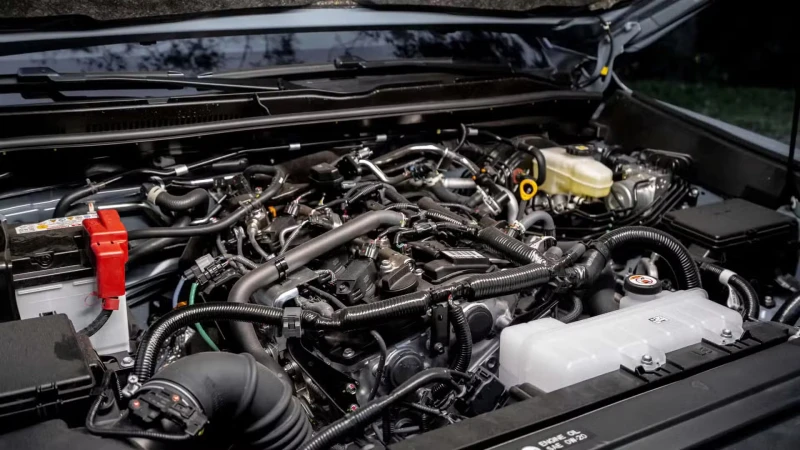
The 2025 4Runner comes with two engines: the 2.4L i-FORCE Turbo (278 hp) and the hybrid i-FORCE MAX (326 hp). Here's what to watch for.
2.4L i-FORCE Turbo
This turbo four-cylinder delivers strong low-end torque (317 lb-ft) and proven durability, but carbon buildup on intake valves from direct injection can appear after 50,000 miles, leading to rough idling or power loss. Some owners note higher-than-expected oil consumption (0.3–0.5 qt per 1,000 miles) after 60,000 miles with aggressive driving or delayed oil changes.
Maintenance Tips:
- Change oil every 5,000–7,500 miles with synthetic 0W-20 or 5W-30 meeting API SN Plus specs. An oil change runs about $50–$80.
- Clean intake valves every 40,000–50,000 miles (around $600–$800).
- Monitor oil level regularly. If consumption exceeds 0.5 qt per 1,000 miles, have piston rings checked.
i-FORCE MAX Hybrid System
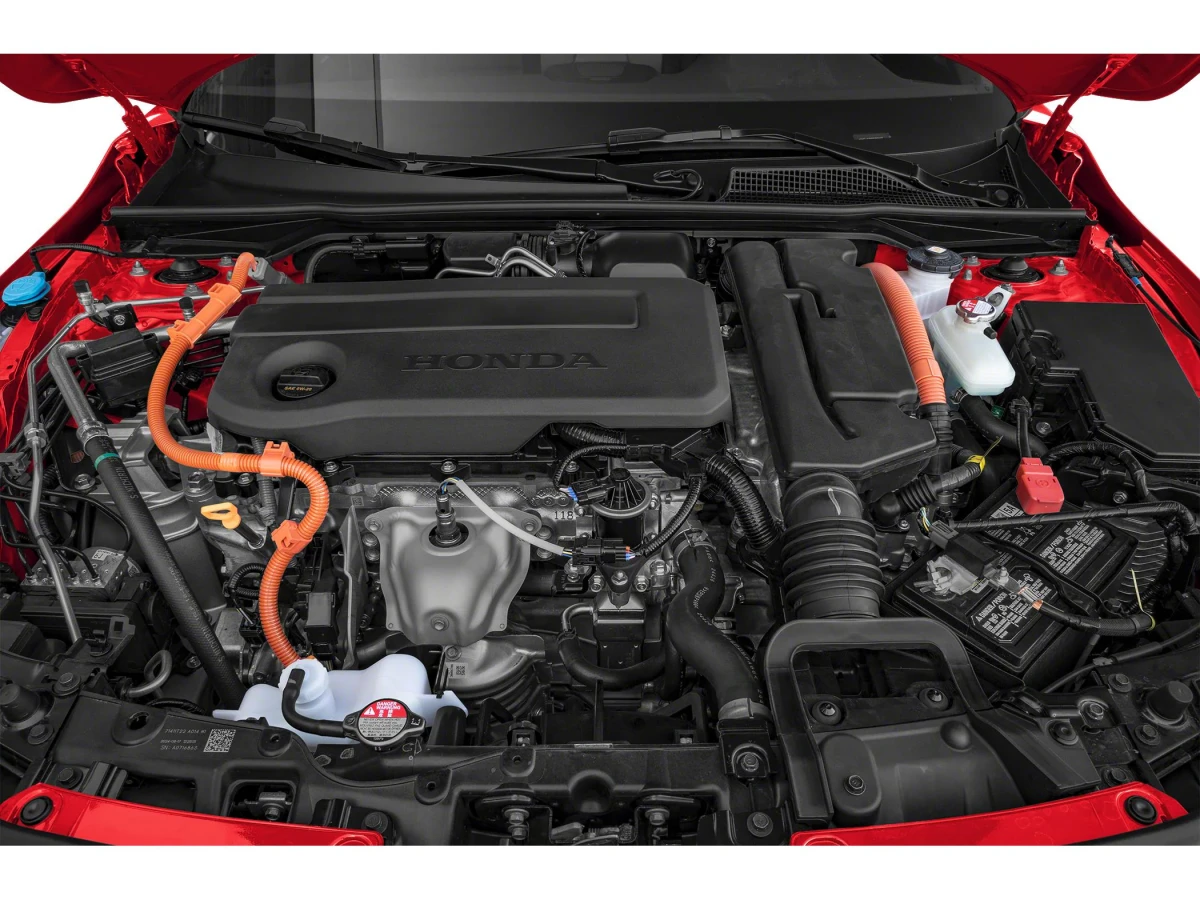
The hybrid setup (326 hp) offers solid efficiency (around 22–23 mpg combined), but battery capacity may degrade slightly after 60,000 miles, reducing electric-only range. Overheating of the hybrid cooling system can occur during extended high-speed drives (over 75 mph) in hot weather.
Maintenance Tips:
- Check hybrid battery health every 30,000 miles. Cell replacement can cost $3,000–$5,000.
- Clean the hybrid radiator every 15,000–20,000 miles to prevent overheating.
- Limit sustained speeds over 80 mph in temperatures above 85°F to reduce cooling system stress.
Electronics: Infotainment and Driver Aids
Equipped with Toyota Safety Sense 3.0—including adaptive cruise control, lane keeping, and automatic emergency braking—the 4Runner shines on safety. However, adaptive cruise can occasionally glitch on uneven roads, and the 8- or 14-inch touchscreen may experience lag or connectivity issues with Apple CarPlay/Android Auto.
Maintenance Tips:
- Update infotainment and safety system software regularly at a Toyota dealer (often free under warranty).
- Clean cameras and radars to avoid sensor errors.
- Persistent infotainment issues may require module replacement (around $2,000–$3,000).
Body and Paint Vulnerabilities
The galvanized body resists rust well, but the paint is prone to chipping on the hood, bumpers, and rockers—especially on gravel roads like those along Route 66. Corrosion can develop around roof rails or frame seams in salty winter conditions.
Maintenance Tips:
- Apply paint protection film or ceramic coating to vulnerable areas (cost: $1,000–$1,500).
- Inspect roof rails and frame seams annually; treat any rust early.
- Wash the underbody thoroughly after winter drives to remove road salt.
Suspension Wear Points
Tuned for off-road prowess, the suspension holds up well but can develop knocks from worn stabilizer bushings after 40,000 miles on rough terrain. Rear shocks in SR5 and Limited trims may soften by 50,000–60,000 miles.
Maintenance Tips:
- Check stabilizer bushings every 20,000–30,000 miles (replacement: $200–$300 per pair).
- Upgrade to heavy-duty shocks like Bilstein for frequent off-roading.
- Stay under the 6,000-pound towing limit to preserve suspension life.
Minor Gripes: Noise and Ergonomics
Road and wind noise can be noticeable above 70 mph (around 67–68 dB). Taller drivers over 6'3" may find limited steering wheel reach, and base seats can feel firm on long hauls.
Maintenance Tips:
- Add sound deadening material to wheel wells and doors (cost: $1,000–$1,500).
- Use seat cushions for added comfort on road trips.
- Aftermarket steering wheel extenders are available if needed.

Bottom Line: Is the 2025 Toyota 4Runner Worth It?
The 2025 Toyota 4Runner remains a dependable, go-anywhere SUV perfect for off-road enthusiasts and long-distance adventurers. Staying on top of drivetrain, hybrid (if equipped), body, and suspension maintenance will help avoid major expenses. For used models, get a thorough inspection focusing on the transfer case, hybrid battery, and paint condition. Approximate market price in the United States: $42,000–$55,000 for base SR5 models up to $65,000–$70,000 for loaded TRD Pro and Platinum trims.
Competitors and Alternatives to the 2025 Toyota 4Runner
- Jeep Wrangler 2025: Legendary off-roader with removable top, but less refined on pavement. Starting around $35,000.
- Ford Bronco 2025: Modern styling, strong engines, and top-tier trail capability. Starts at about $40,000.
- Land Rover Defender 2025: Premium luxury with outstanding off-road prowess. Pricing from around $60,000.
- Toyota Land Cruiser 2025: More upscale interior and refined ride. Starts near $57,000.
- Lexus GX 550 2025: Luxurious take on similar platform with superior comfort. From about $65,000.