


Like any vehicle, though, the 2023 Sportage has some weak spots that tend to show up over time. In this article, we'll cover the most common owner-reported issues, focusing on the powertrains (gas, hybrid, and plug-in hybrid), along with practical maintenance advice to help reduce the risk of expensive repairs.
AWD System Concerns: Clutch and Differential Leaks
The 2023 Kia Sportage offers an available all-wheel-drive system with a multi-plate clutch that can send up to 50% of torque to the rear wheels. Some owners report clutch wear or oil leaks from the rear differential seals starting around 30,000–40,000 miles, especially with frequent use on slippery highways or light off-road trails like those on Route 66 adventures.
Maintenance Tips:
- Inspect the clutch pack and differential seals around 25,000 miles. Seal replacement typically runs $200–$400.
- Change the transfer case and rear differential fluid every 30,000–40,000 miles using Kia-approved spec fluid.
- Avoid prolonged wheel spin in low-traction conditions – it can overheat and accelerate clutch wear.
Full AWD clutch repairs can cost $3,000–$5,000, so preventive care pays off.
Engine Issues: Gas, Hybrid, and PHEV Variants
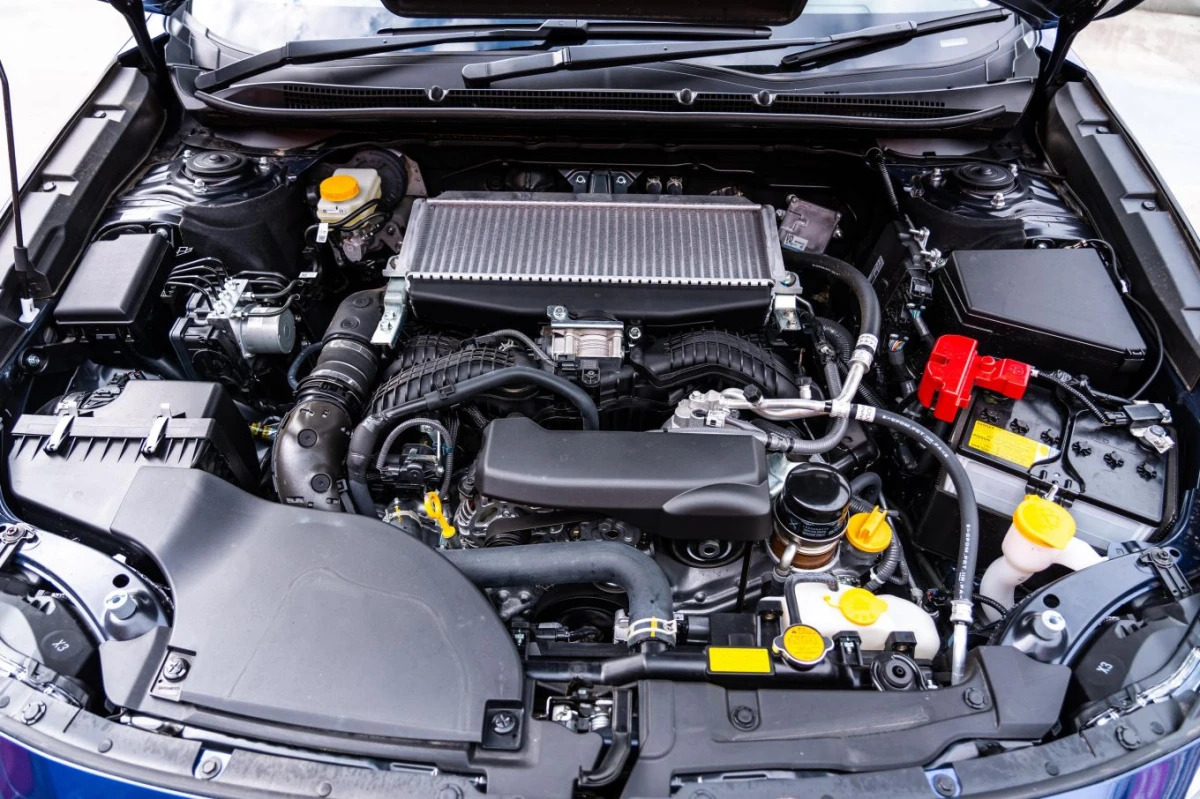
The 2023 Sportage comes with three main powertrain options: the 2.5L GDI gas engine, a 1.6L turbo hybrid (HEV), and a plug-in hybrid (PHEV) with the same turbo engine. Here's what owners are seeing.
2.5L GDI Gas Engine (187 hp)
This naturally aspirated engine delivers solid performance, but direct injection can lead to carbon buildup on intake valves after 40,000 miles, potentially causing rough running or power loss. Some report higher-than-expected oil consumption in spirited driving.
Maintenance Tips:
- Change oil every 5,000–7,500 miles with API SN-rated synthetic (e.g., 5W-30). Stick to shorter intervals for highway-heavy use.
- Consider a walnut blast valve cleaning every 50,000 miles (around $500–$800).
- Monitor oil level regularly. If consumption exceeds 1 quart per 1,000 miles, have it diagnosed.
1.6L Turbo Hybrid (HEV, 227 hp)
The hybrid setup shines with fuel economy in the mid-30s mpg, but some owners note gradual battery degradation after 40,000+ miles, reducing electric-only range. Overheating complaints arise during extended high-speed drives in hot weather.
Maintenance Tips:
- Have the hybrid battery health checked every 30,000 miles. Cell replacement, if needed, can run $2,000–$4,000 (often covered under warranty).
- Clean the hybrid cooling radiator frequently to prevent overheating.
- Avoid sustained speeds over 80 mph when temperatures exceed 86°F.
Plug-in Hybrid (PHEV, 261 hp)
With up to 34 miles of electric range (EPA), the PHEV is great for short commutes, but battery capacity can drop over time. Some report jerky transitions between electric and gas modes due to transmission calibration.
Maintenance Tips:
- Monitor battery health regularly. Repairs may cost $3,000–$5,000.
- Keep transmission software updated at the dealer to smooth mode shifts.
- Charge to 80% routinely and avoid full discharges for longer battery life.
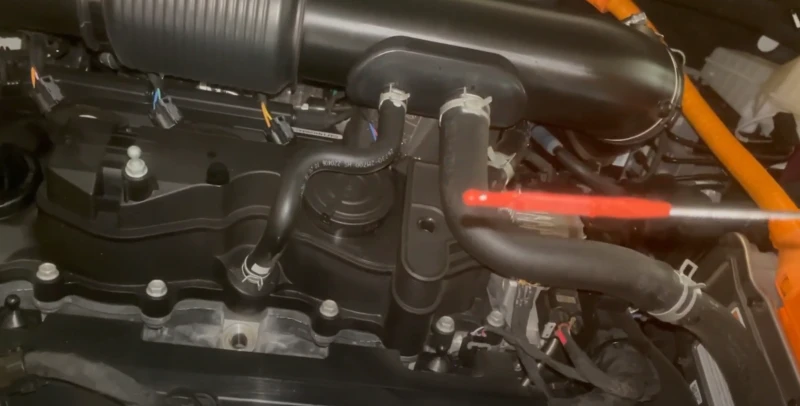
Electronics Glitches: Infotainment and Driver Aids
The Sportage's DriveWise suite is packed with features, but owners frequently mention adaptive cruise control acting erratically or sudden disengagements. Infotainment screens can freeze, and wireless Android Auto/Apple CarPlay connections drop.
Maintenance Tips:
- Apply over-the-air or dealer software updates every 6–12 months.
- Keep cameras and sensors clean – dirt is a common culprit.
- Head unit replacement, if required, typically costs $1,000–$2,000.
Body and Paint Weaknesses: Chips and Corrosion
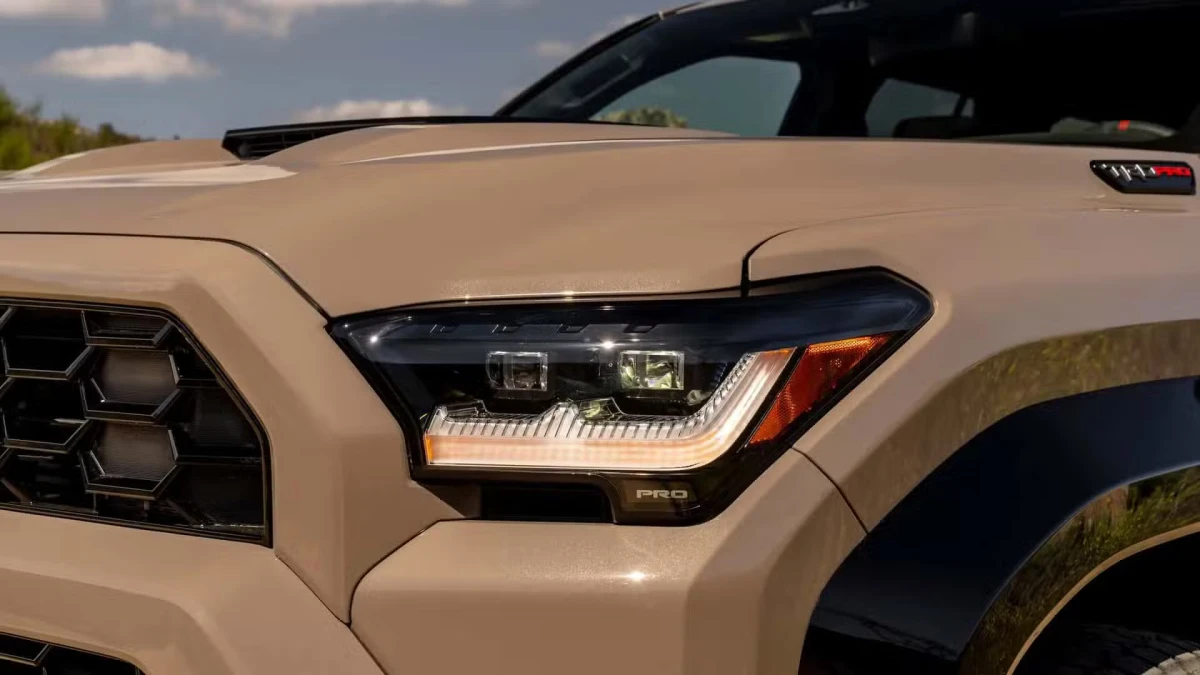
The body holds up well overall, but the paint is prone to chipping on the hood, bumper, and doors – especially on interstate drives. Roof rail areas can show early rust in regions with road salt.
Maintenance Tips:
- Apply paint protection film to vulnerable areas or ceramic coating for extra defense.
- Inspect roof rails seasonally; treat any rust promptly.
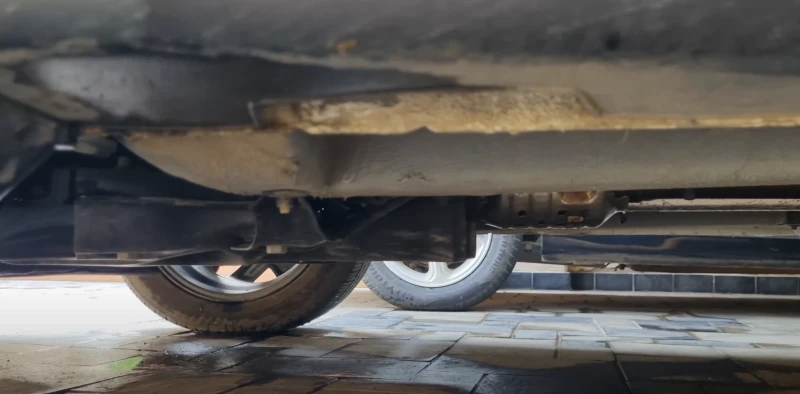
- Wash the underbody thoroughly after winter driving to remove salt.
Suspension Wear: What Gives Out First
The comfort-tuned suspension handles daily driving well, but stabilizer links and rear shocks can wear faster on rough roads, leading to knocks around 30,000–50,000 miles.
Maintenance Tips:
- Check stabilizer links every 20,000 miles (replacement ~$150–$300 per pair).
- Consider upgraded shocks (e.g., KYB) for frequent rough-road use.
- Avoid overloading to preserve rear suspension life.
Other Gripes: Cabin Noise and Ergonomics
Highway noise from tires and wind can intrude above 70 mph. Taller drivers sometimes find seat comfort lacking on long trips like cross-country hauls.
Maintenance Tips:
- Add sound-deadening material to wheel wells and doors for quieter rides.
- Use supportive seat cushions for extended comfort.
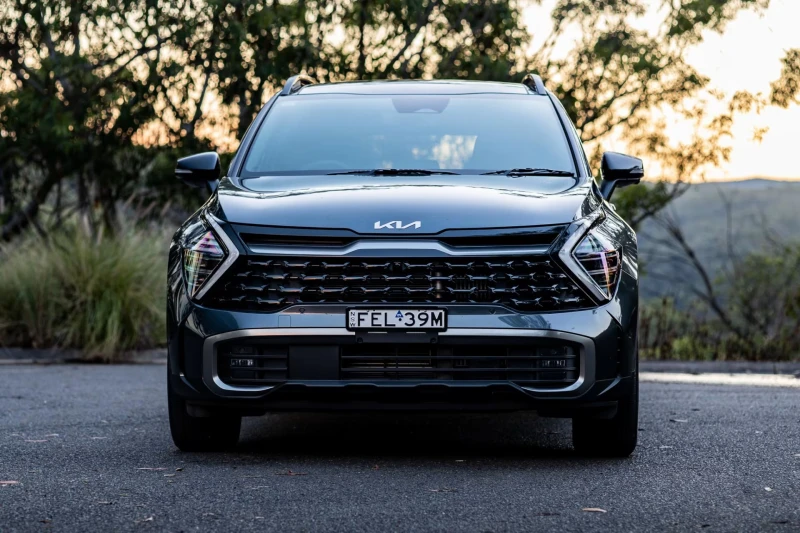
Bottom Line: Is the 2023 Kia Sportage Worth It?
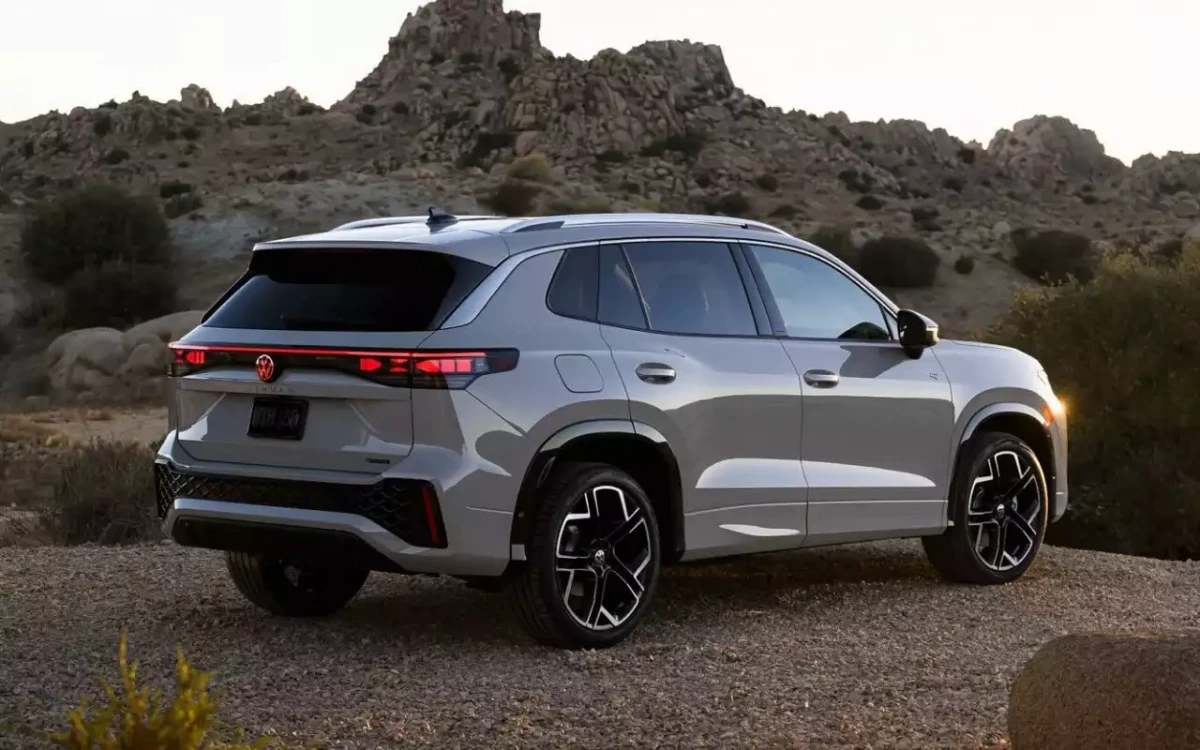
The 2023 Kia Sportage is a stylish, feature-rich compact SUV that's popular for family use and daily commutes. While AWD, electronics, and paint issues require vigilance, regular maintenance – especially on the drivetrain and cooling systems – can keep repair costs down. If buying used (current market prices around $22,000–$28,000 depending on mileage and trim), get a thorough pre-purchase inspection.
Competitors and Alternatives to the 2023 Kia Sportage
- Toyota RAV4 2023: Proven reliability with efficient engines (including hybrid) and strong resale value.
- Hyundai Tucson 2023: Sharp looks, loaded tech, and competitive pricing – a close cousin with similar perks.
- Mazda CX-5 2023: Premium feel, engaging handling, and refined interior for driving enthusiasts.
- Subaru Forester 2023: Standard AWD excellence and off-road capability – ideal for outdoor adventures.
- Honda CR-V 2023: Spacious, fuel-efficient, and family-friendly with top safety ratings.
- Nissan Rogue 2023: Comfortable ride, roomy cabin, and modern features at a solid value.