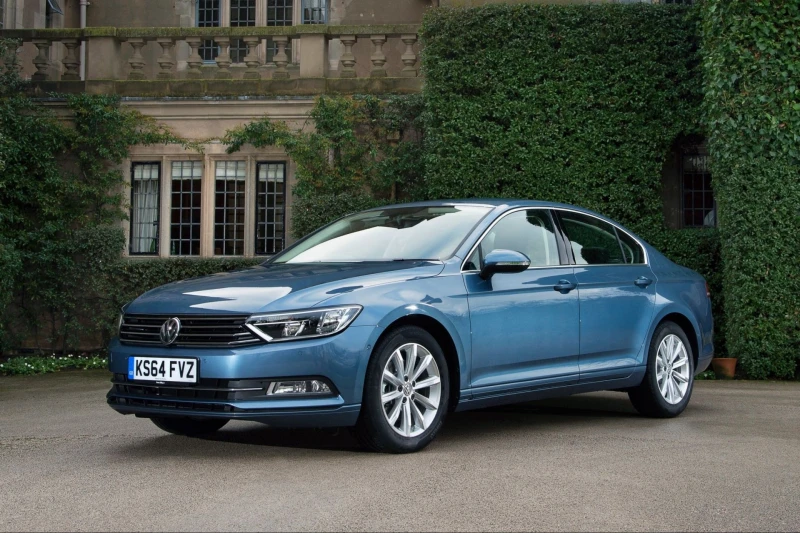
This generation, known as the B8, earned a strong following for its comfort and overall refinement, but it’s not without its faults. Common Volkswagen Passat 2014–2023 issues revolve around the transmission, engines, and electronics. In this article, we break down the main drawbacks, year-specific concerns, insights for the US used-car market, repair options, and buying advice. For an overview of the generation, specs, and interior, check our other features in the series. The used Passat remains a popular choice, but it demands a thorough inspection before purchase.
Overview of Generation-Wide Weaknesses
Key Drawbacks of the B8
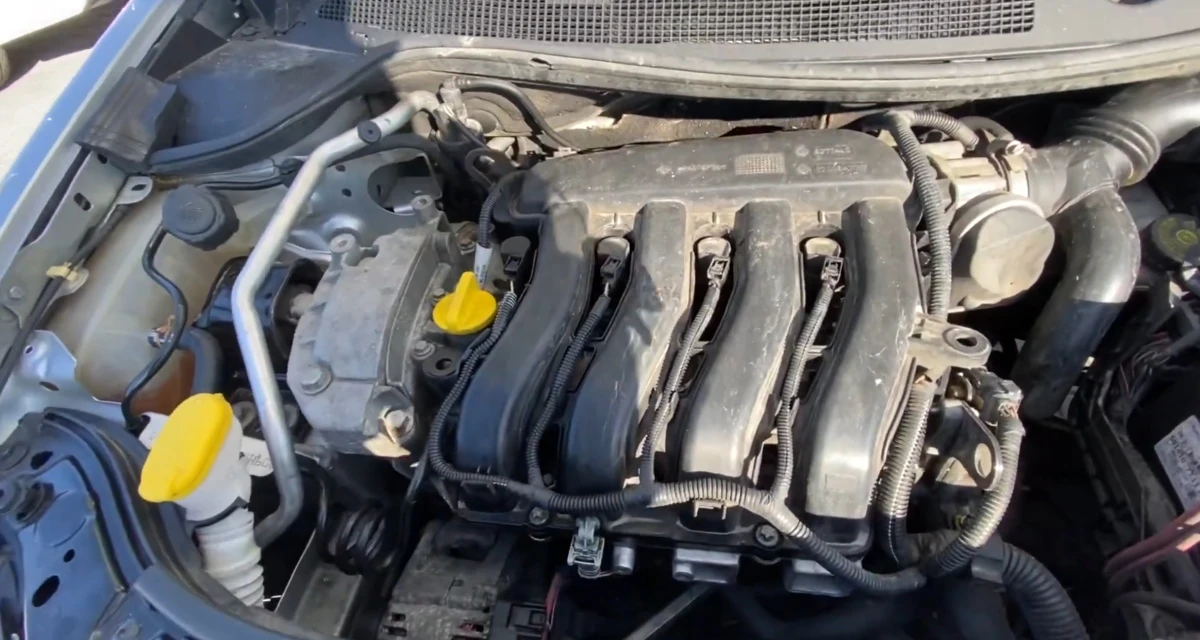
Passat B8 owners typically report several recurring issues after 60,000–90,000 miles. First, the DSG transmission: early dry-clutch DQ200 versions are notorious for jerking, delayed shifts, and overheating in stop-and-go traffic, often leading to expensive clutch replacements. Second, engines: gasoline TSI units (1.4L–2.0L) suffer from higher-than-expected oil consumption, premature timing-chain wear, and coolant leaks. Diesel TDI models (1.6L–2.0L) can have problems with the particulate filter, injectors, and AdBlue system, especially with lower-quality fuel.
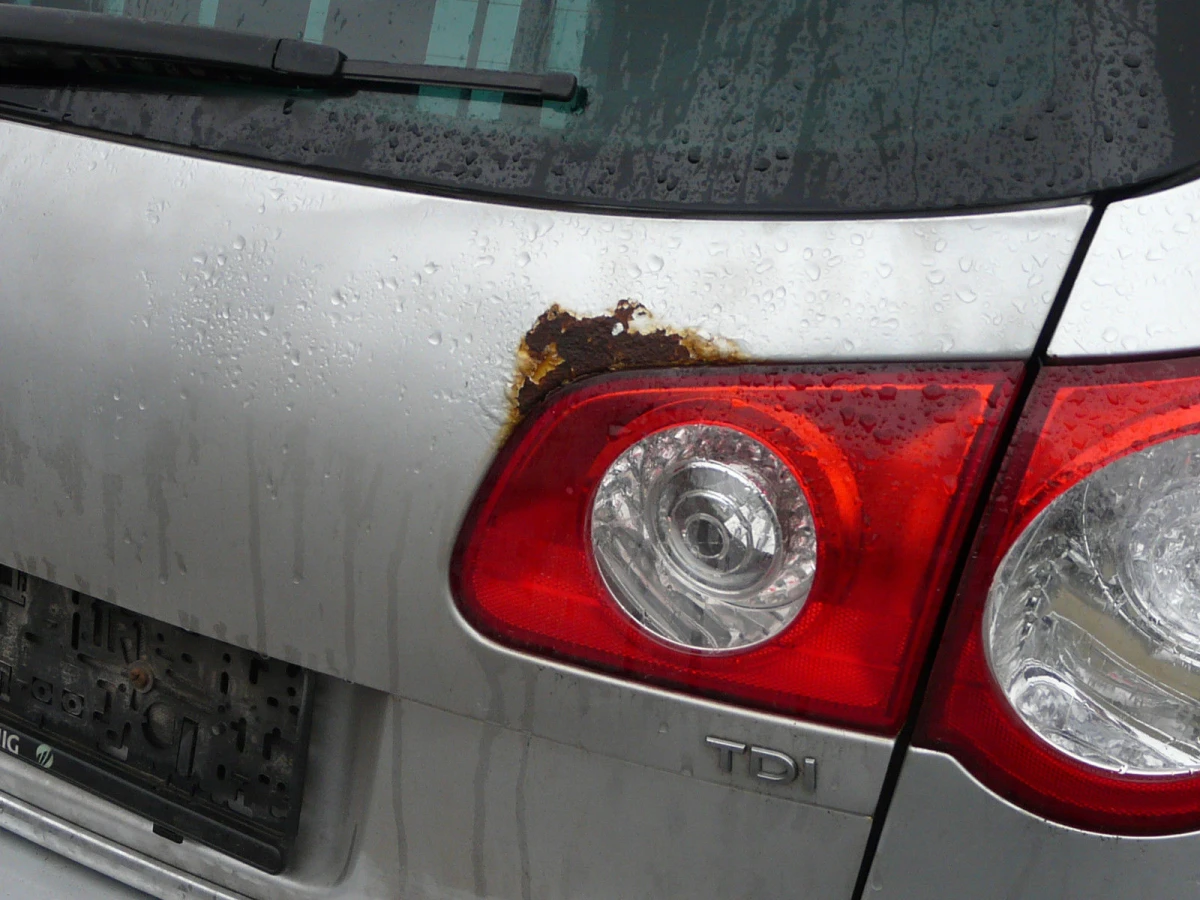
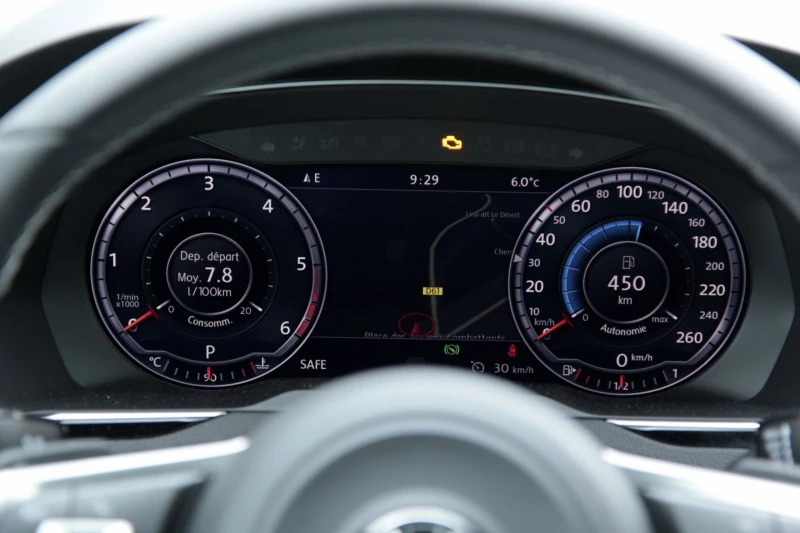
Fuel economy often falls short of EPA figures: expect 20–24 mpg city for gasoline models and 28–34 mpg for diesels. Road noise is a frequent complaint—tire and wind noise penetrate the cabin, particularly on rough highways. Electronics can glitch: faulty sensors trigger warning lights, and pre-facelift MIB2 infotainment feels dated. The suspension is firm, leading to creaks and faster wear of control arms on poorly maintained roads. Rust can appear on the subframe, wheel arches, and underbody in regions that use road salt. Genuine parts are pricey, and dealer service costs add up quickly.
| Issue | Description | Frequency |
|---|---|---|
| DSG Transmission | Jerking, overheating, clutch wear | High (up to 120,000 miles) |
| Engines | Oil consumption, coolant leaks, timing chain | Medium |
| Road Noise | Tire roar, vibrations | High |
| Electronics | Sensor faults, infotainment glitches | Medium |
| Corrosion | Rust on body and chassis | High in salt-belt states |
Issues by Model Year and Version
Years and Variants to Watch Closely
Early models (2014–2016) tend to have more problems: the dry DQ200 DSG has a shorter lifespan (around 90,000–120,000 miles), older emissions tuning, and less refined electronics and sound insulation. Coolant pump failures and leaks are more common before 2017. Pre-facelift cars (2014–2018) run outdated infotainment without modern smartphone integration and a stiffer ride. The 2019+ facelift (B8.5) addressed many concerns: wet-clutch DQ381 is far more reliable, newer Evo engines meet stricter emissions, better noise insulation, and MIB3 system. Still, diesel particulate filters and driver-assist glitches persist. Avoid 1.4 TSI without cylinder deactivation—underpowered with higher real-world fuel use. 2014–2015 examples need extra scrutiny due to early-production teething issues.
US Used-Market Specifics
The American Pre-Owned Passat Landscape
In the US, many Passats were fleet or lease returns, often with higher mileage. Always verify mileage history through Carfax or AutoCheck—odometer rollback still happens. Check the underbody thoroughly for rust, especially in the Rust Belt where road salt accelerates corrosion on arches, rockers, and the subframe. Poor road surfaces speed up suspension wear (control arms, bushings)—listen for clunks on a test drive. Service records are critical; missing documentation is a red flag. Genuine VW parts are expensive, though quality aftermarket options are widely available. Maintenance intervals are every 10,000 miles, but harsher conditions may call for more frequent oil changes. Watch for cars re-badged as R-Line with non-original parts. Roughly 30% of listings may have unreported accident history.
Fixes and Budget for Bringing One Up to Standard
Typical Repair Costs and Budget
Most Passat B8 issues are fixable. Adding sound deadening to doors and wheel wells runs $600–$1,200. Upgrading infotainment to a modern Android unit costs $400–$900. DSG clutch replacement is $2,500–$4,500, plus $300 for adaptation. Rust prevention or treatment: $600–$1,800. Routine timing-chain service: around $1,200; oil and filters $150–$300. Major TDI engine work can reach $6,000–$12,000. Approximate market price in the United States for a solid 2019+ example with around 90,000 miles: $18,000–$24,000. Budget an additional $1,000–$2,000 per year for maintenance, and set aside $1,500–$4,000 post-purchase for common fixes.
Final Verdict: Worth Buying, Best Versions, and Ones to Avoid
Conclusion and Recommendations
The 2014–2023 Passat’s problems don’t make it a bad car, but they do demand a smart approach. It’s worth considering if you want a comfortable midsize sedan at a reasonable price: the post-2019 facelift with 2.0 TDI and wet DSG offers the best balance of reliability and efficiency. Steer clear of 2014–2016 models with dry DSG and 1.4 TSI due to higher risk. During inspection, prioritize a long test drive (feel for jerks or noises), full vehicle history report, underbody rust check, and electronics functionality. Even in 2026, the B8 remains a solid used buy in the $16,000–$25,000 range if you’re prepared for regular maintenance.