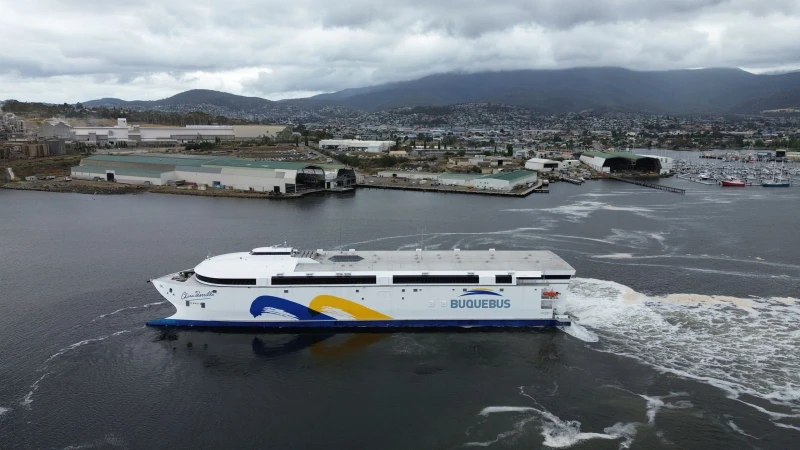
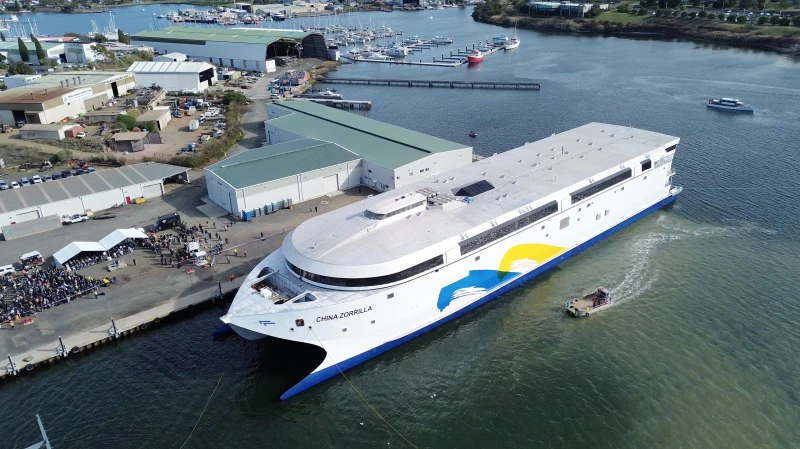
While discussions recently focused on batteries for passenger cars, today records are being set in an entirely different category—on water. The new electric ferry China Zorilla clearly demonstrates how large batteries in transportation can become.
Records Among Electric Vehicles
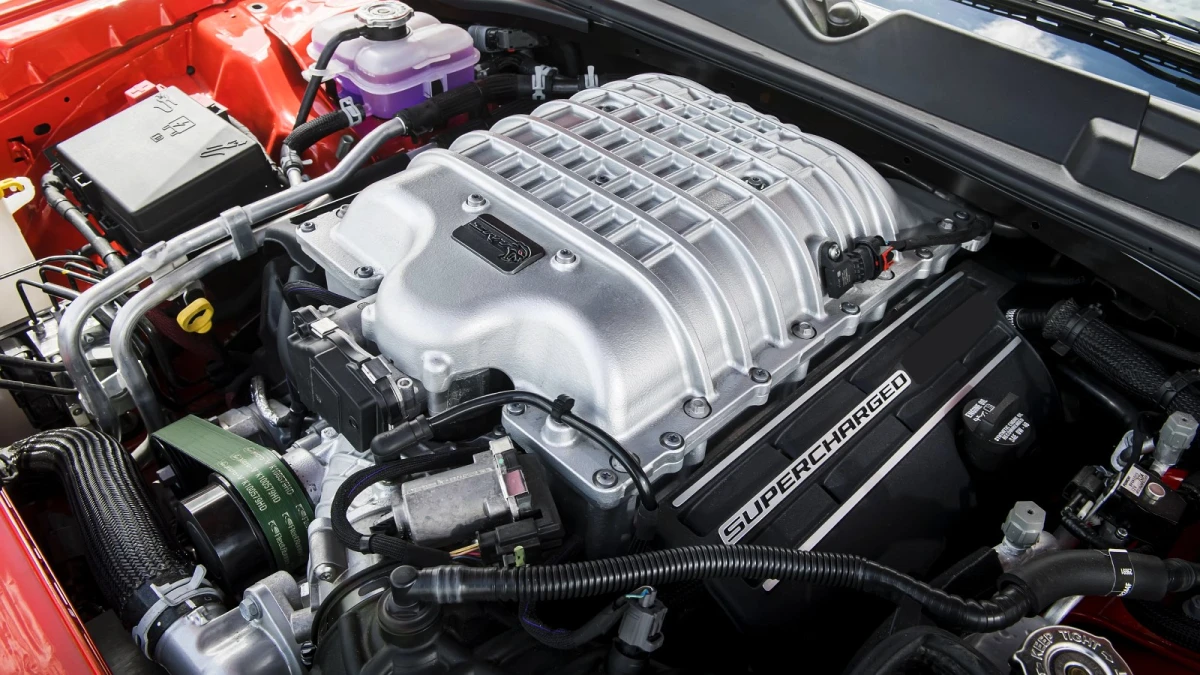
Modern electric vehicles are already equipped with quite heavy batteries. On average, a battery pack weighs about 500 kg, and in larger models, it can reach 1.3 tons. One potential record holder was supposed to be the Ram 1500 REV pickup with a 229 kWh battery, but the project was canceled before serial sales began.
The leader among production models remains the General Motors concern. The electric Hummer EV features a 212.7 kWh battery, with similar figures—205 kWh—offered by the GMC Sierra EV, Chevrolet Silverado EV, and Cadillac Escalade IQ. For comparison, the large Nio ET7 sedan has a 150 kWh battery.
Despite the impressive numbers, even these batteries are comparable in energy reserve to about 55 liters of diesel fuel. Their uniqueness lies not in energy capacity but in mass and dimensions.
China Zorilla: Absolute Record Among Transportation Vehicles
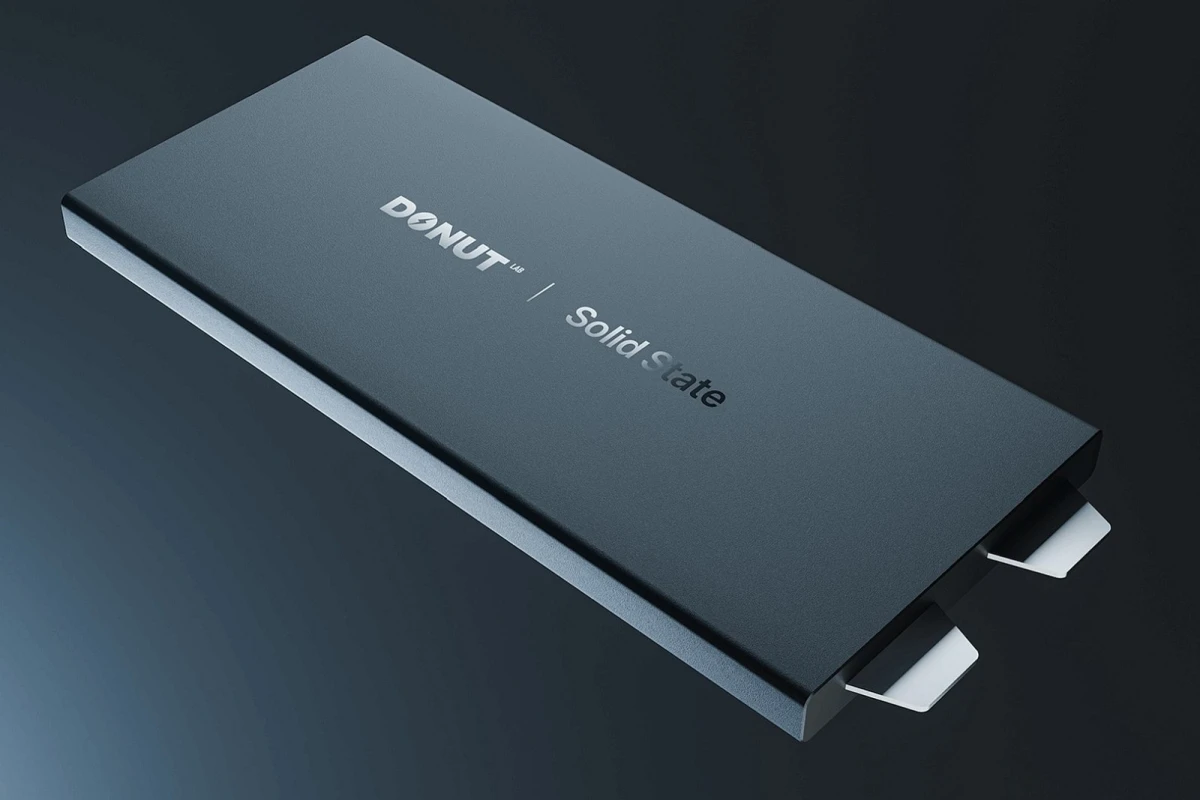
A real breakthrough has occurred in marine transportation. The electric ferry China Zorilla, built by the Australian company Incat, is equipped with a 40 MWh battery. The mass of the battery complex reaches 250 tons, making it the largest in transportation history.
The vessel is intended for regular routes between Buenos Aires and the Uruguayan city of Colonia del Sacramento. The route length is about 55 km, and on a single charge, the ferry can cover it up to three times. The range reaches 185 km even at full load, which includes up to 2,100 passengers and 225 vehicles.
Design and Infrastructure
The China Zorilla battery complex consists of 5,016 modules placed in four separate compartments. Each module is equipped with its own cooling system to maintain stable temperature. The vessel's maximum speed is 46 km/h, and during trials, it reached 49 km/h.
For fast charging of the ferry, the ports were equipped with two 16 MW stations. Transition from 20% to 80% charge takes about 45 minutes. In Uruguay, this required modernization of the power grid, including laying new cable infrastructure costing about 20 million dollars.
Conclusion
The evolution of electric transportation demonstrates a sharp growth in the scale of battery systems. While in the automotive sector it is about tons, in marine transportation, the count is already in hundreds of tons. The China Zorilla project has become a clear example of how far electrification can go with the appropriate infrastructure and tasks.