The experiment vividly highlights the hurdles electric vehicles still face on long-distance, high-speed drives—even with extensive custom modifications.
Benchmark: Gas-Powered Records
The classic benchmark remains the route from the East Coast to the West Coast, spanning about 2,813 miles. In 2020, this distance was covered in 25 hours and 39 minutes using a gas-powered car fitted with an extra fuel tank holding around 66 gallons. The keys to success were high average speeds and minimal downtime for refueling.
For EVs, this remains a tough challenge. The best official time on this route was set in 2024 at 39 hours and 29 minutes—still lagging well behind gas vehicles.
Extreme Mods to the Rivian R1T
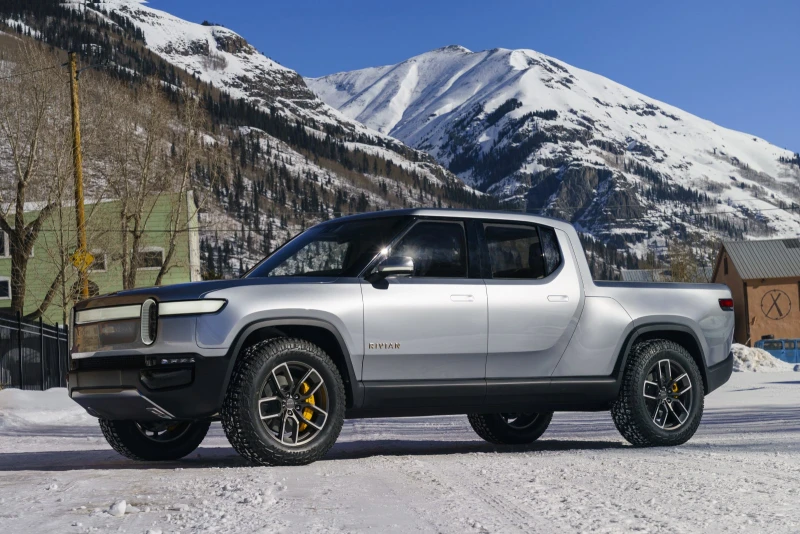
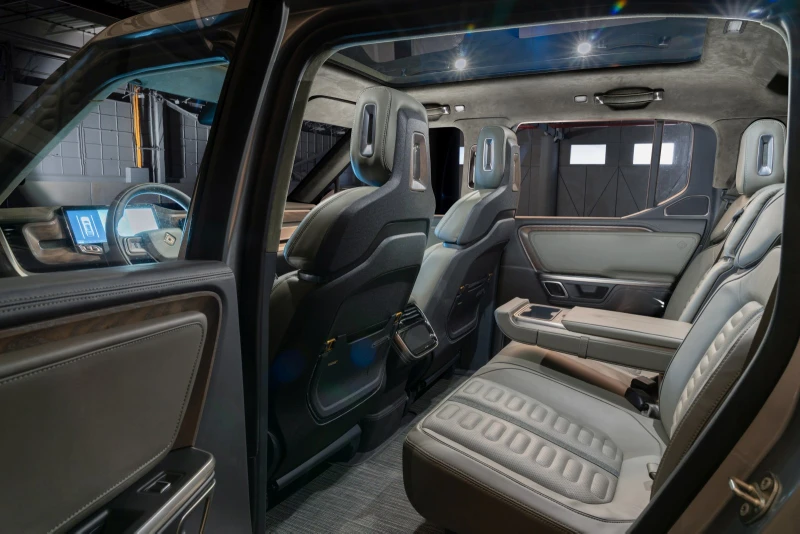
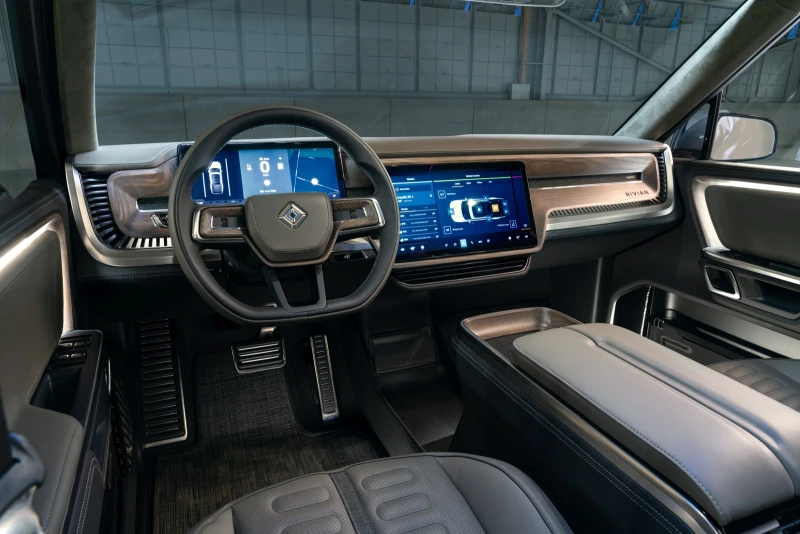
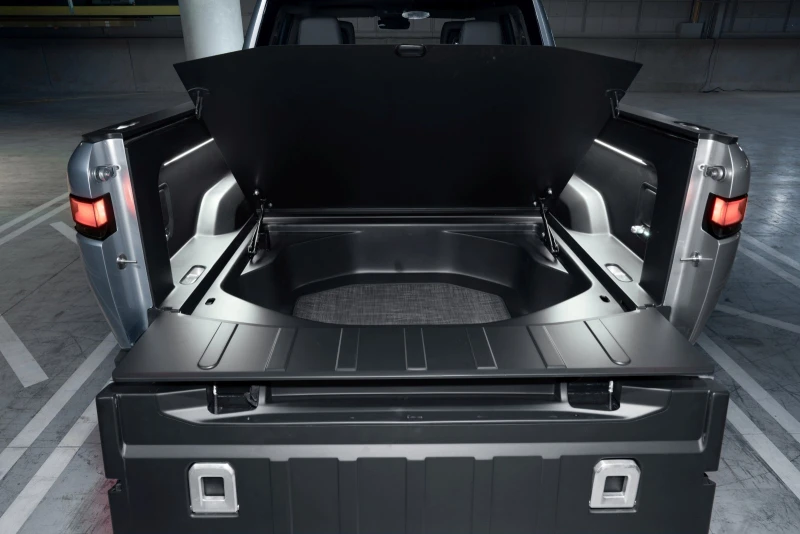
To beat that mark, a team of enthusiasts took a Rivian R1T electric pickup and dramatically boosted its energy storage. On top of the stock batteries, they added extra modules in the bed. The result: a total capacity of 310 kWh.
In energy terms, that's roughly equivalent to 21 gallons of gasoline, but the weight difference is huge. While that much gas weighs about 130 pounds, the batteries added nearly 4,000 pounds to the truck.
Real-World Range and Charging
In theory, the upgraded Rivian could hit up to 620 miles on a charge. In practice, at an average speed of around 68 mph, the actual range between stops was about 510 miles. To speed things up, the team set up dual charging from two stations for up to 300 kW combined.
Even that wasn't enough. Battery overheating required constant extra cooling—including ice packs—and inconsistencies in public charging infrastructure threw off the schedule.
Why the Record Didn't Happen
Despite the investment and major upgrades, the run was called off early. The average speed couldn't match gas record holders, where figures topped 106 mph. Even smaller, stock gas cars can complete the route faster with fewer issues.
The Takeaway
The Rivian R1T project clearly showed that just adding more battery capacity doesn't solve the core issues for high-speed, long-haul EV trips. Battery weight, charging times, and reliance on infrastructure continue to widen the gap between electrics and traditional gas vehicles in these extreme scenarios.