


The Renault Megane II cabin (2002–2009) combines distinctive French design, solid everyday practicality and several clever ideas for its era — yet time has exposed both its strengths and typical weak points. This guide examines the Megane II interior with a focus on examples available on the American used-car market in 2025. Insights are based on owner experiences, data from Cars.com, Autotrader, forums and original specifications.
Overall Cabin Impression
Materials & Design
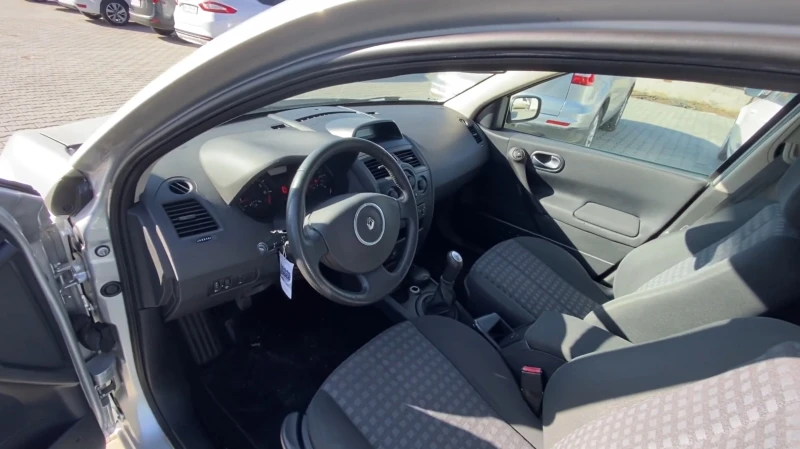
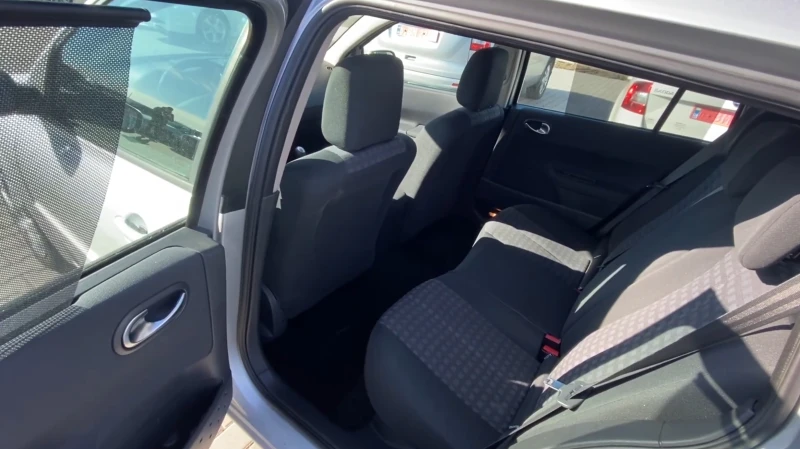
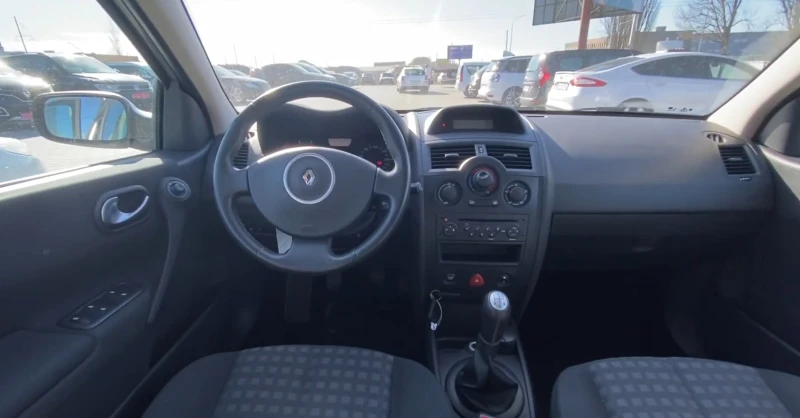
The interior follows early-2000s French styling: bold shapes, flowing lines and an emphasis on comfort over sportiness. Most surfaces feature soft-touch plastics on the dashboard and door cards; base models have cloth seats, mid-spec versions usually come with velour or better cloth, while top trims offer leather. The instrument cluster is straightforward — analog gauges with a prominent central speedometer in pre-facelift cars and a more conventional layout after 2006. The center console is compact, housing climate controls, the audio unit and useful storage bins. Overall the cabin feels cozy and driver-focused, although plastics can develop rattles and creaks after two decades.
Front seats offer decent side bolstering and height adjustment; higher trims add lumbar support. There's generous head- and legroom up front, but the rear seat is noticeably tight for three adults — especially with the front seats pushed back. Headroom is acceptable in hatch and sedan versions, but the CC convertible sacrifices some ceiling height. Visibility is average: thick pillars and a low seating position can make city maneuvering trickier.
Trunk capacities: hatchback 12–42 cu ft (330–1190 liters), sedan ~18 cu ft (520 liters, seats don't fold flat), estate/wagon 18–57 cu ft (520–1600 liters). The load floor is flat when seats are folded, and there are tie-down hooks, but a high loading lip and the hatchback's curved tailgate opening limit tall-item loading. Still practical enough for weekend trips, grocery runs and small-family duties across the United States.
Trim Levels & Standard Equipment
Typical Specifications on the US / North American Market
Most Megane II examples in the US today are grey-market imports from Europe, so equipment varies widely. The most common factory designations were Authentique (base), Expression/Confort (mid), Dynamique (sporty) and Privilege/Initiale (luxury). Below is a generalized breakdown based on frequently seen cars.
| Trim Level | Typical Features (upholstery, audio, climate, safety & convenience) |
|---|---|
| Base (Authentique) | Cloth seats, manual seat adjustment, basic radio (4 speakers), manual A/C (often optional), ABS, 2–4 airbags, front power windows |
| Mid (Expression / Confort) | Velour or improved cloth, optional heated seats, single-zone automatic climate control, CD player, trip computer, cruise control, rain/light sensors, 6 airbags, alloy wheels |
| Sport (Dynamique) | Sport seats with partial leather, upgraded audio with CD changer, dual-zone climate, parking sensors, bi-xenon headlights, optional panoramic roof (CC), up to 8 airbags |
| Top (Privilege / Initiale) | Full leather interior, power seats, premium sound system, rare factory navigation, panoramic roof, keyless card, full safety suite: ESP, front/rear parking sensors, cruise |
Expression and Dynamique variants tend to offer the best balance of features and value on today's market. Panoramic roofs (where fitted) bring extra brightness but are uncommon. Factory infotainment is very dated — most owners upgrade to aftermarket Android/Apple CarPlay units.
Facelift Changes (2006+ Phase 2)
The 2006 facelift brought several welcome interior improvements. Pre-facelift cars feature the distinctive central speedometer and harder plastics. Post-facelift models moved the speedometer to the right, upgraded the graphics, used better-quality trim pieces that look and feel more upscale, and improved NVH levels (fewer creaks and less road noise). New interior color schemes appeared (more gray and beige tones), and automatic lights/wipers became more responsive.
Audio and navigation options were refreshed, and extra sound-deadening material was added to doors and floor. On the used market, Phase 2 cars usually command a modest premium — roughly $500–$1,000 more than equivalent pre-facelift examples — but deliver noticeably better refinement.
Common Interior Issues in 2025
At 15–23 years old, most Megane II cabins show age-related wear, especially considering variable maintenance histories and different regional climates across the US. Frequently reported problems include:
- Worn trim: soft plastics scratch easily, soft-touch surfaces peel or become shiny, cloth/velour seats wear thin
- Rattles & squeaks: dashboard, door cards and rear parcel shelf creak over bumps
- Noise: pre-facelift cars let in noticeable wind and tire roar on the highway
- Rear-seat space: tight legroom and a fairly low roofline
- Visibility: thick A- and C-pillars create blind spots in traffic
- Electrical gremlins: blower motor resistor failures, water ingress in door pockets (blocked drains), intermittent A/C performance
- General wear: interior picks up odors and stains easily; plastics can get very hot in summer sun
Final Verdict – Is It Still Worth It?
In 2025 the Megane II cabin feels distinctly dated next to modern compact cars — no large touchscreens, relatively basic ergonomics. Yet for an approximate market price of $4,000–$7,500 it still delivers genuine French charm: comfortable front seats, an interesting dashboard layout and decent space up front. The sweet spot for most buyers is a well-kept Expression or Dynamique model with automatic climate control and heated seats — strong value for the equipment level and running costs.
When shopping, carefully inspect: seat bolsters and trim for excessive wear, whether the infotainment still works, signs of water damage or musty smells, and listen for squeaks during a thorough test drive. Check the blower motor and door drains. With proper care, a good Megane II interior can remain pleasant and functional for daily commuting or small-family use for several more years.