


Launched in 2008, the Audi Q5 quickly became a favorite in the U.S. market thanks to its blend of comfort, high-quality materials, and everyday practicality. The Audi Q5 2008–2017 cabin masterfully combines elegance with functionality, making it ideal for family drives around cities like Los Angeles or Chicago, as well as long highway trips along routes like I-95 or Route 66. In this article, we break down the key interior highlights, available trims, year-over-year changes, common drawbacks, and smart buying tips for 2025–2026. Engine options, exterior design, and performance are covered in other articles in this series.
Materials and Design
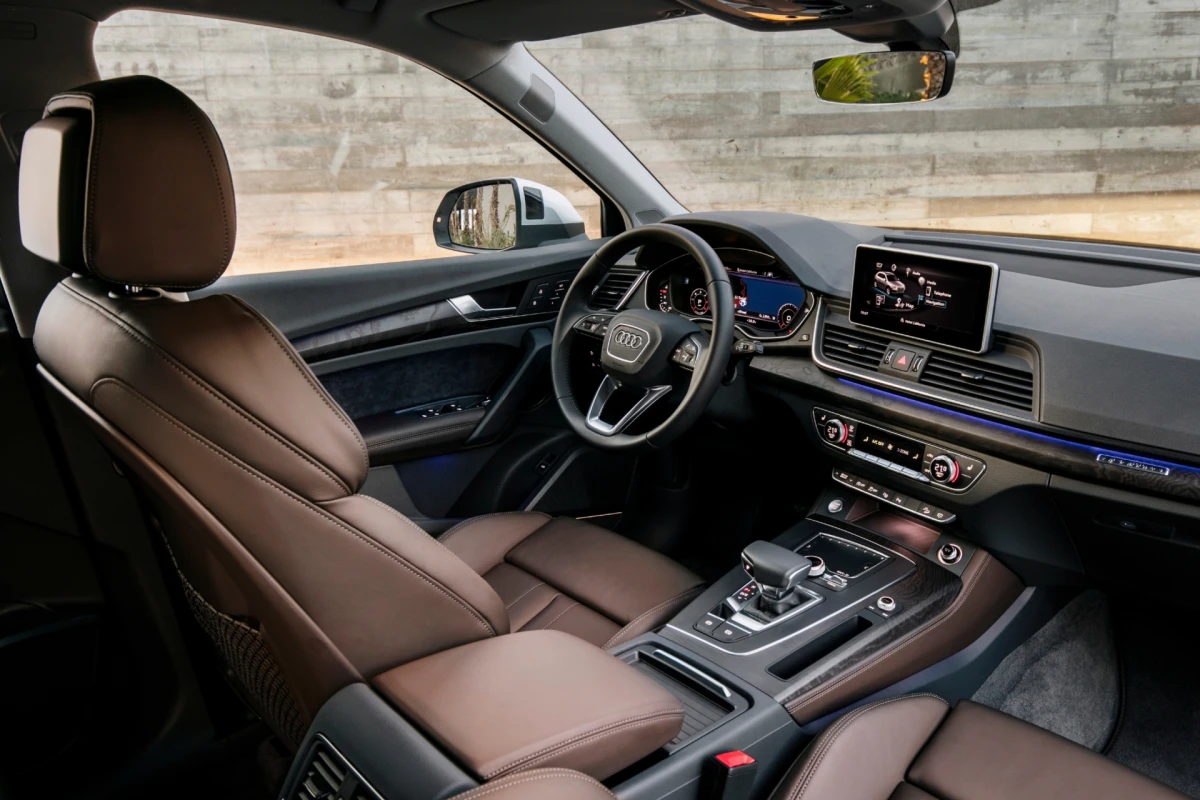
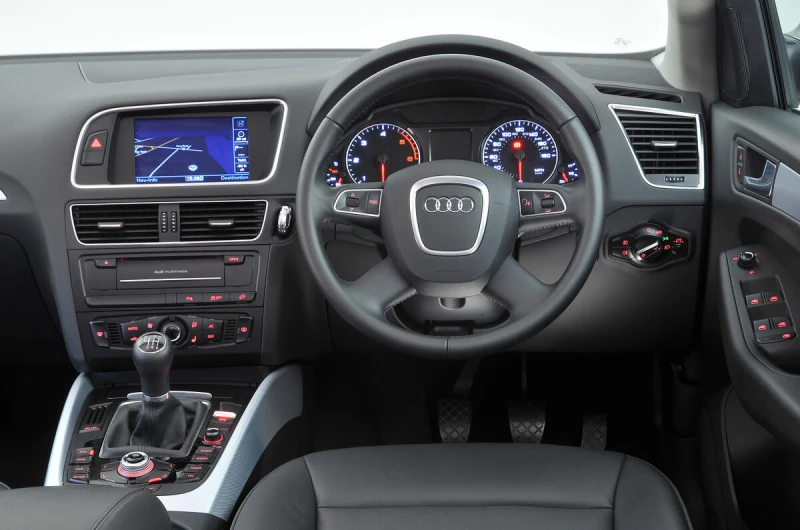
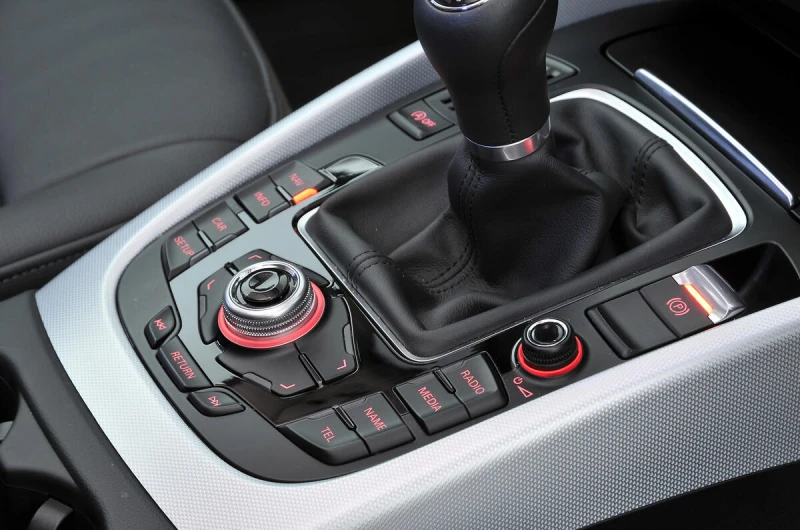
The overall Audi Q5 interior impresses right away with its premium-grade materials. Soft-touch plastics cover most surfaces, accented by aluminum trim and optional genuine wood inlays (oak or walnut). Leather upholstery (Milano or Nappa in higher trims) feels luxurious, while cloth seats in entry-level versions hold up well over time. The dashboard layout is clean and driver-focused: analog gauges with red backlighting (pre-facelift) or an optional TFT screen, plus the signature central MMI controller and joystick navigation. Controls are logically placed and uncluttered – classic Audi ergonomics from that era.
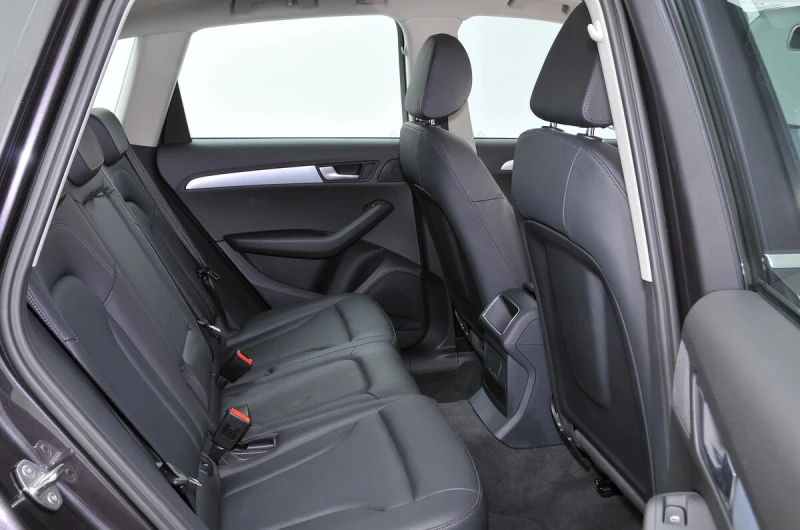
Front seats offer excellent comfort with up to 8-way power adjustment, heating, and ventilation in top trims, providing strong lumbar support for long drives. The rear bench is spacious enough for three adults (thanks to the 110.5-inch wheelbase), with reclining seatbacks and ISOFIX child-seat anchors. A high center tunnel slightly compromises footroom for the middle passenger. Visibility is solid thanks to large mirrors and slim pillars, though the rear window is somewhat narrow.
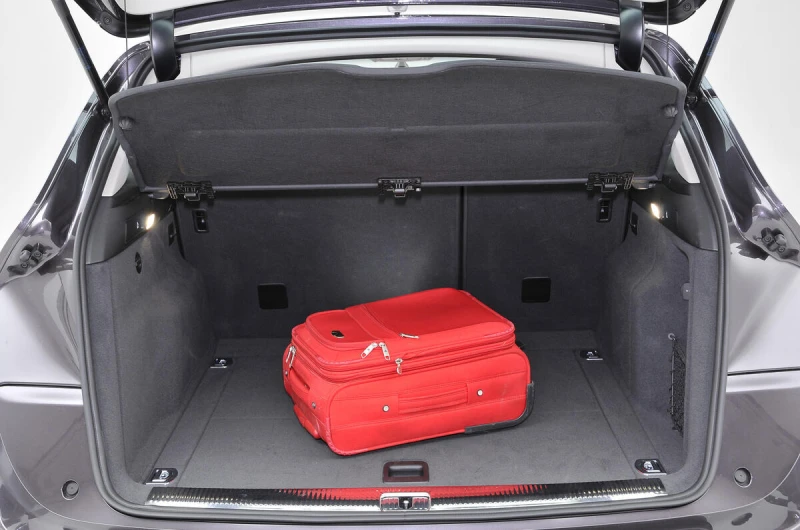
The cargo area stands out: 18.7 cubic feet behind the rear seats, expanding to 55.1 cubic feet with them folded (40/20/40 split). The load floor is flat, with underfloor storage, tie-down hooks, and an available power tailgate. It easily swallows strollers, golf bags, or weekend gear, and roof rails add versatility for outdoor adventures. On American roads, the Audi Q5 2008–2017 cabin is especially praised for its sound insulation – dual-pane glass and tight seals keep road and tire noise impressively low, even on rough pavement.
Trim Levels on the U.S. Market
On the American used market, Audi Q5 I interior configurations vary depending on whether the vehicle was imported or sold new through U.S. dealers. Common trims include Premium (entry), Premium Plus (mid-level comfort), Prestige (luxury flagship), and S line packages (sporty upgrades). Base models feature cloth seats, dual-zone climate control, a basic audio system, cruise control, and standard MMI. Premium Plus typically adds leather seating surfaces, heated front seats, parking sensors, and enhanced sound deadening.
The Prestige trim – very popular on the used market – includes full leather upholstery, panoramic sunroof, upgraded MMI Navigation Plus, Bang & Olufsen premium audio (14 speakers), tri-zone climate control, rearview camera, and safety features like Audi pre sense basic (collision warning). S line versions bring sport seats with Alcantara inserts, aluminum pedals, black headliner, and adaptive LED lighting. Many U.S.-spec models came with cold-weather packages: heated steering wheel, heated windshield washer nozzles, and heated mirrors – perfect for winter driving in northern states.
| Trim Level | Seating Upholstery | Infotainment & Climate | Key Features & Assistance |
|---|---|---|---|
| Premium (base) | Cloth | Dual-zone climate, basic audio | Cruise control, parking sensors |
| Premium Plus (mid) | Leather + cloth | MMI basic, heated seats | Cold-weather package |
| Prestige (luxury) | Milano leather | MMI Navigation, Bang & Olufsen | Panoramic roof, pre sense |
| S line (sport) | Alcantara + leather | Full MMI, tri-zone climate | Sport styling, LED lights |
Even base U.S. models feel upscale, but Prestige trims deliver the best comfort-to-value ratio on today’s used market (approximate fair market price range for well-maintained examples in 2025–2026: $12,000–$18,000 depending on mileage and condition).
Interior Updates Over the Years
Inside this generation, the Audi Q5 cabin received its most significant refresh with the 2013 facelift. Pre-2013 models had a more traditional feel: analog instruments, basic MMI without touch input, and a narrower color palette (gray/beige/black). Materials were excellent, though high-speed wind and road noise could be noticeable.
From 2013–2017, updates included a revised center console with touchpad handwriting recognition for MMI, ambient LED interior lighting, expanded color choices (including brown tones and red S line accents), and noticeably improved sound deadening through added insulation layers – cutting cabin noise by roughly 10–15%. Later models occasionally featured the virtual cockpit (rare on first-gen Q5), better driver aids, and a tighter-sealing panoramic roof. These refinements made facelifted examples feel more modern, and they represent the majority of clean, well-kept used examples available today – often commanding slightly higher prices due to fewer electronic gremlins and better overall condition.
Common Interior Drawbacks
Despite its premium build, the Audi Q5 2008–2017 cabin shows typical wear on higher-mileage examples. Frequent issues include leather wear on the steering wheel and seats after 90,000–100,000 miles (cracking from sun exposure and road salt in snowy states), creaking rear seats (loose mounts, fix usually $200–$400), and weaker pre-facelift sound insulation – tire roar becomes noticeable on coarse pavement. Rear visibility is limited by the sloping roofline, and panoramic roofs on some 2011–2017 units may develop leaks (leading to water damage, mold, or electrical issues; repair often $800–$1,500).
In typical U.S. conditions (freezing winters in the North, hot summers in the South, dusty rural roads), light-colored leather soils quickly and needs regular care. MMI electronics can glitch from moisture, seat heaters occasionally fail, and tall rear passengers (>6'1") may feel cramped. Loose trim rattles can appear after 120,000+ miles, though most are inexpensive to address during routine service.
Final Thoughts
In 2025–2026, the Audi Q5 I interior still looks and feels upscale, though it lacks the giant touchscreens and minimalist vibe of newer models – a reminder of late-2000s/early-2010s luxury design. Still, the top-tier materials, solid build quality, and genuine comfort keep it highly desirable on the used market. The sweet spot for most buyers is a well-kept Prestige trim: excellent balance of approximate fair market price ($12,000–$18,000), equipment (MMI navigation, panoramic roof, advanced aids), and long-haul comfort – perfect for families or daily drivers. When shopping, inspect the leather for cracks, test the MMI thoroughly on a drive, check for water stains under carpets, and examine steering wheel wear. A professional pre-purchase inspection and Carfax/VIN check ($100–$200) can prevent expensive surprises. The Audi Q5 2008–2017 cabin remains a smart, classic choice for anyone who appreciates timeless German premium quality.