


Renault’s Palencia plant in Spain showcases exactly how artificial intelligence, advanced sensors, and comprehensive digitization are transforming vehicle quality, production speed, and brand competitiveness.
Real-Time Quality Control
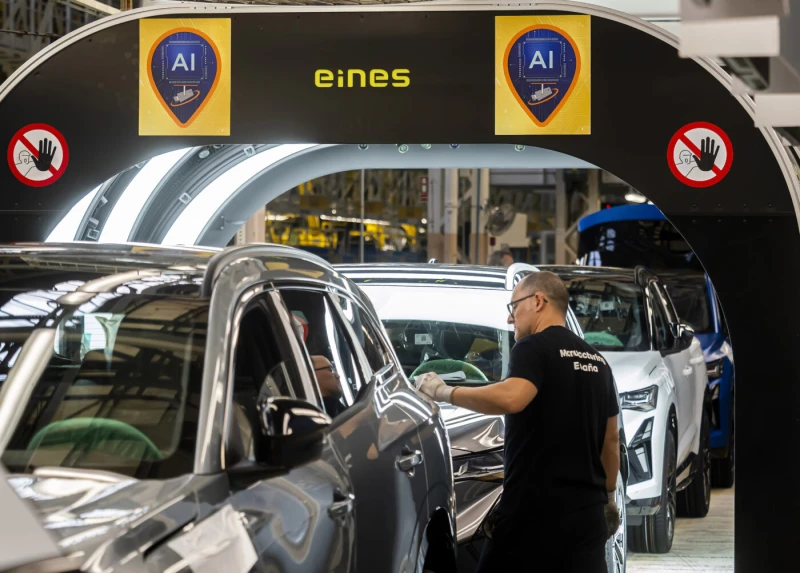
At the final assembly stages in Palencia, automated systems play a crucial role. Even seemingly simple operations like closing a door are analyzed using microphones and machine-learning algorithms. The system detects subtle abnormal sounds that the human ear typically misses. In one instance, a slightly loose plastic clip inside the door triggered an alert.
In the past, such defects might only surface after hundreds or thousands of miles on the road. Now they’re fixed before the vehicle leaves the line, cutting warranty costs and preventing future service visits.
Sensors and Cameras at Every Step
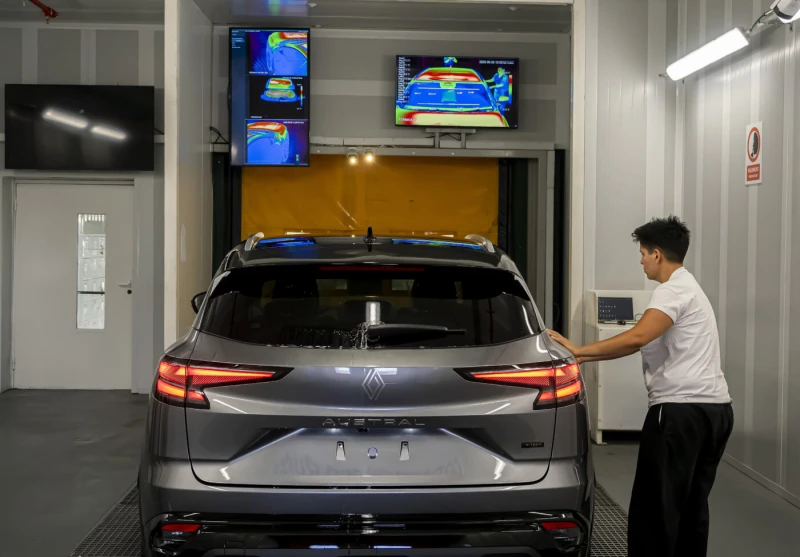
The assembly line employs 3D cameras and machine-vision systems to verify connector placement, wheel bolt torque, and body panel gaps. Even a fraction of a bolt turn or the slightest door misalignment is caught automatically. When an issue is detected, the line stops, and the system highlights exactly where and how to correct it.
The plant features around 1,000 such inspection points. Approximately 555 vehicles roll off the line each day, with every one undergoing digital checks during production.
Digital Twins and Connected Factories
Every component and every vehicle has a virtual digital twin. All 25 Renault plants are linked through a unified monitoring platform that provides real-time oversight of production. Leadership can track output, orders, deviations, and potential risks before they escalate.
The system even predicts supply disruptions and alerts teams to upcoming component shortages. As a result, on-time delivery accuracy has improved by roughly 20 percent.
Faster Development, Simpler Design, Fewer Failures
Digitization has also reduced part counts across models. For example:
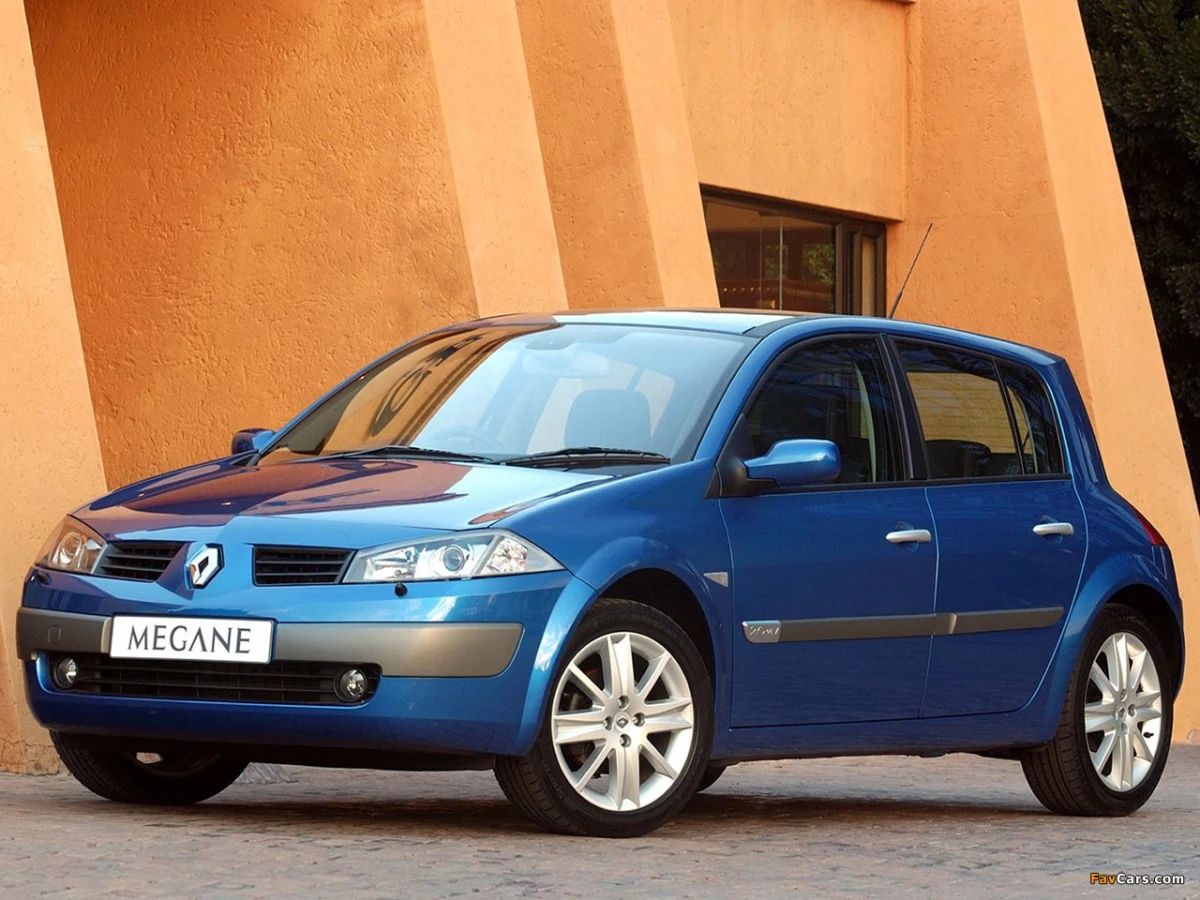
- Renault Megane — around 1,080 components
- Renault 5 — around 825 components
- Upcoming 2026 Twingo — around 650 components
New model development now takes about two years instead of four, while assembling a Renault 5 requires roughly 10 hours—compared to 15–25 hours for many competitors.
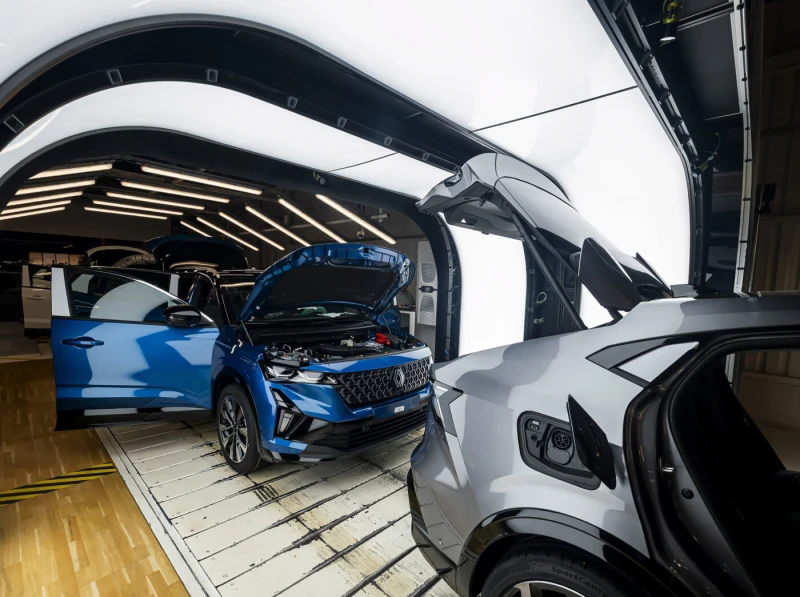
New processes include single-pass two-tone painting. Robots apply both colors simultaneously with millimeter precision, completing the task in minutes.
Impact and Market Significance
The primary goal of these advancements is to elevate quality and competitiveness, especially against Chinese manufacturers. After implementing comprehensive digital systems, warranty claims have dropped by about half, and new Renault models show significantly lower failure rates.
Conclusion
The Palencia plant proves that the future of automotive manufacturing is being shaped today. Artificial intelligence and full digitization are no longer experiments—they’re essential tools for improving quality, speed, and reliability in volume production.