The situation surrounding Tesla illustrates how quickly leadership can shift in the electric vehicle segment and why foreign brands are finding it increasingly difficult to maintain their positions in China.
China's Significance for Tesla
For Tesla, the Chinese market holds key importance. Approximately half of the company's produced vehicles are sold in China. The Model 3 and Model Y, despite their age and intensifying competition, have long maintained high sales volumes. However, even this resilience could not shield Tesla from the changes occurring in the industry.
New Leader Among Electric Sedans
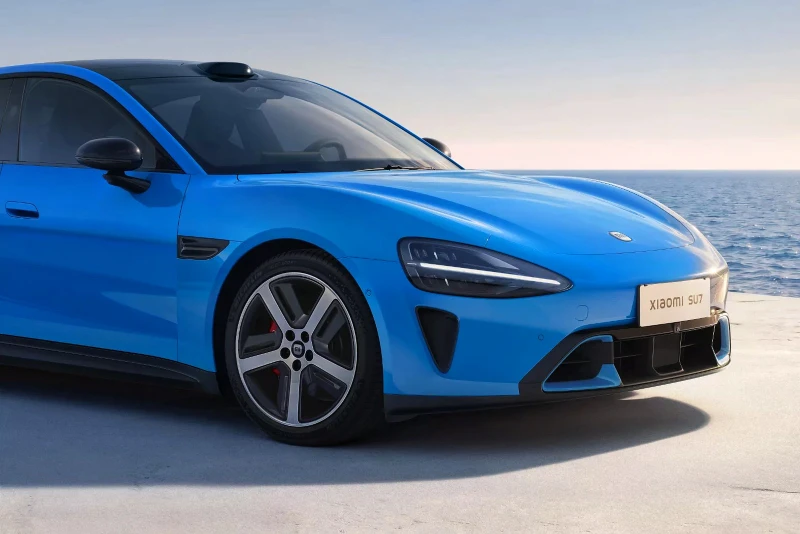
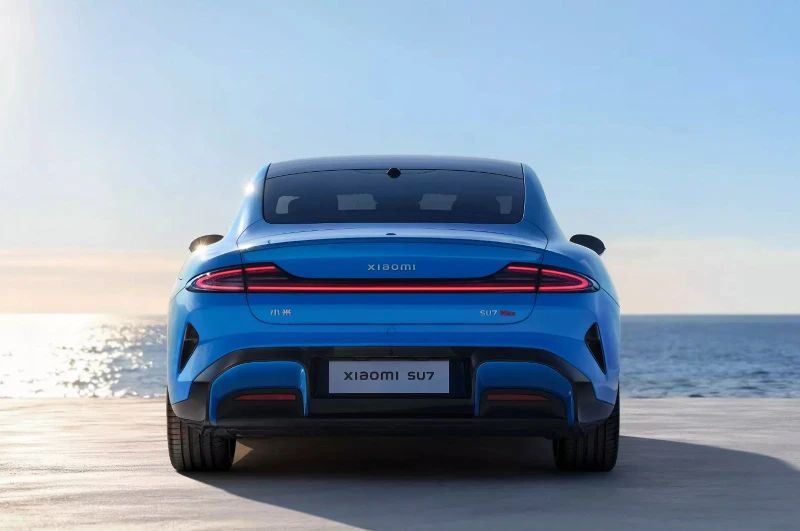
In recent years, Chinese automakers have significantly strengthened their positions and begun to outperform foreign brands. The most illustrative example is the market entry of Xiaomi, which two years ago had no involvement in automobile manufacturing. Its first electric sedan, the SU7, became the best-selling electric sedan in China last year.
Over the year, approximately 258,000 such vehicles were sold, while the Tesla Model 3 achieved around 200,000 units. The gap was notable, especially considering it involves a newcomer to the automotive sector.
Reasons for Xiaomi SU7's Success
The popularity of the SU7 stems from a combination of factors. In design and performance, the vehicle is often compared to the Porsche Taycan, yet its price aligns with mass-market models. The base version of the SU7 is approximately 9% cheaper than the Tesla Model 3, which has been a key argument for buyers.
An additional factor is the model's origin. Increasingly, Chinese buyers, particularly among the youth, prefer local brands and are less oriented toward foreign marques. This trend negatively impacts not only Tesla but also other foreign automakers.
Model Update and Growing Interest
Xiaomi is actively developing its lineup. Starting in spring, an updated version of the SU7 will go on sale, where even the base trim will include a lidar for advanced driver assistance systems. The range has also been increased—to 902 kilometers under the CLTC cycle, which is officially used in China. For comparison, the Tesla Model 3 achieves about 830 kilometers by the same method.
Interest in the updated version has been very high: in the first 15 days after orders opened, approximately 100,000 pre-bookings were placed. The main constraint for the manufacturer remains production capacity.
Plans for Lineup Expansion
Within the year, Xiaomi plans to introduce a third model—the YU9 crossover. It will be equipped with two electric motors and a 1.5-liter gasoline engine functioning as a generator. The claimed total range will be up to 1,500 kilometers under the CLTC cycle.
Conclusions
The situation in the Chinese market demonstrates how rapidly the balance of power can change in the electric vehicle segment. Xiaomi's success highlights the growing competitiveness of local manufacturers and complicates the position of foreign brands, for which China remains a strategically important market.