The situation surrounding Maserati's electric models in the US illustrates the measures manufacturers must take when sales expectations fall short. This involves unprecedented discounts that effectively alter the vehicles' positioning.
Reevaluation of Electrification Strategy
In recent years, many automakers have developed long-term plans anticipating a rapid shift to electric transportation. However, in several key markets, particularly the US, buyers continue to favor vehicles with internal combustion engines. This compels manufacturers to revise production volumes and commercial policies.
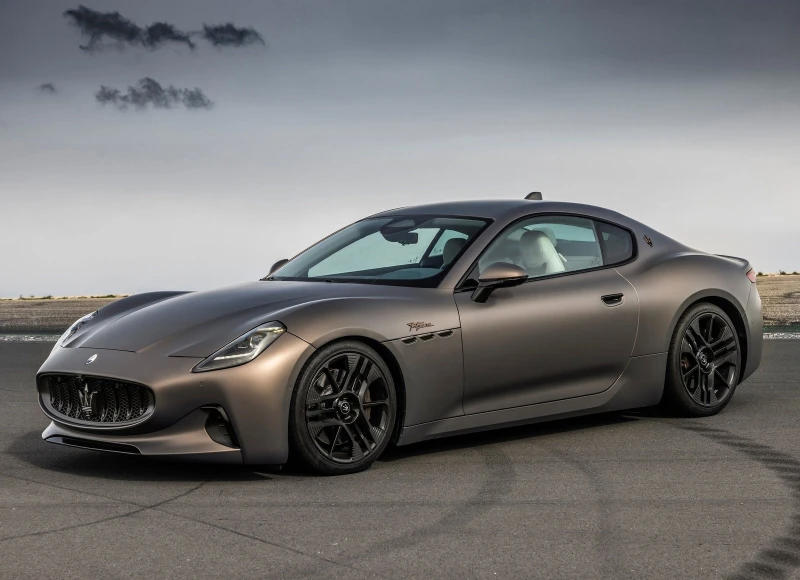
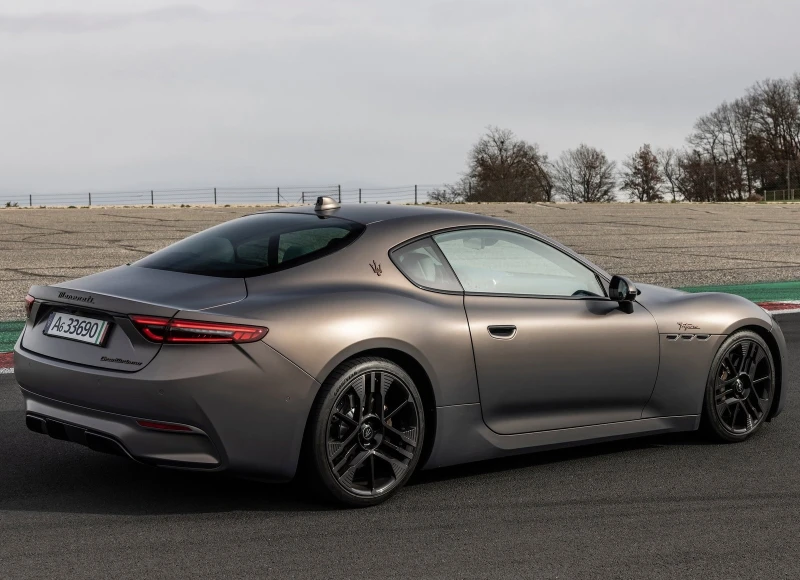
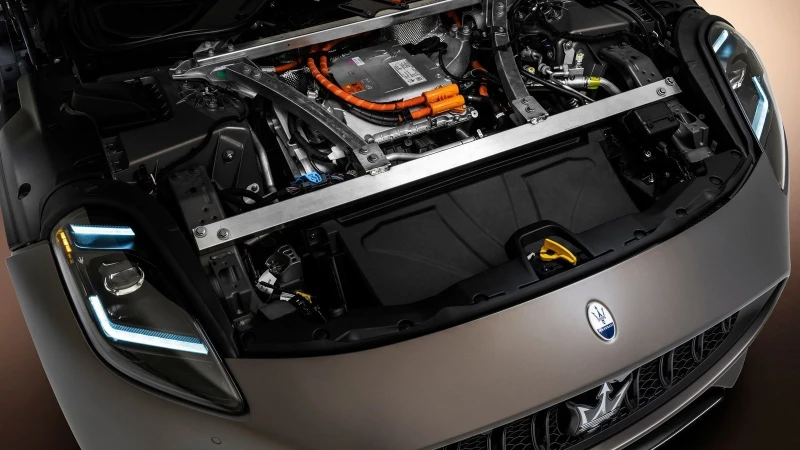
In this context, Maserati's example is particularly telling, as the brand actively launched electric versions of the Grecale, GranTurismo, and GranCabrio under the Folgore badge. Actual demand proved significantly lower than anticipated, prompting a widespread price revision.
Discounts Unprecedented in the Market
In the US, Maserati has lowered official prices on electric variants by tens of thousands of dollars. For the GranTurismo Folgore coupe and GranCabrio Folgore convertible, the discount reached $85,000. As a result, the starting price for the electric GranTurismo fell to $112,800, and for the GranCabrio to $121,700.
By comparison, gasoline versions of these models are priced higher: around $145,000 for the coupe and $153,000 for the convertible. Thus, the electric versions are currently sold at lower prices than their traditional counterparts.
Electric Grecale
A similar scenario has unfolded with the electric Grecale Folgore crossover. A $40,000 discount was applied, bringing the price down to $79,900. For a premium compact SUV, this represents an aggressive offering, given the brand's positioning.
Actual Impact on Buyers
Under current pricing, an unusual dynamic emerges: for approximately $200,000, a buyer can acquire two new Maserati electric vehicles, whereas previously this sum covered only one GranCabrio Folgore. Such terms were previously uncommon in the luxury segment.
Causes and Implications
Such substantial price cuts signal the urgency to clear inventory and refine sales strategies. Electric models were rolled out in considerable volumes, yet sales paces did not align with initial projections.
These cases highlight the financial and commercial risks automakers encounter when expanding EV lineups rapidly without established demand.
Conclusion
The developments with Maserati's electric vehicles demonstrate that even in the premium segment, market forces prevail. Extensive discounts serve as a necessary adaptation to prevailing conditions and underscore the challenges brands face amid the automotive industry's transformation.