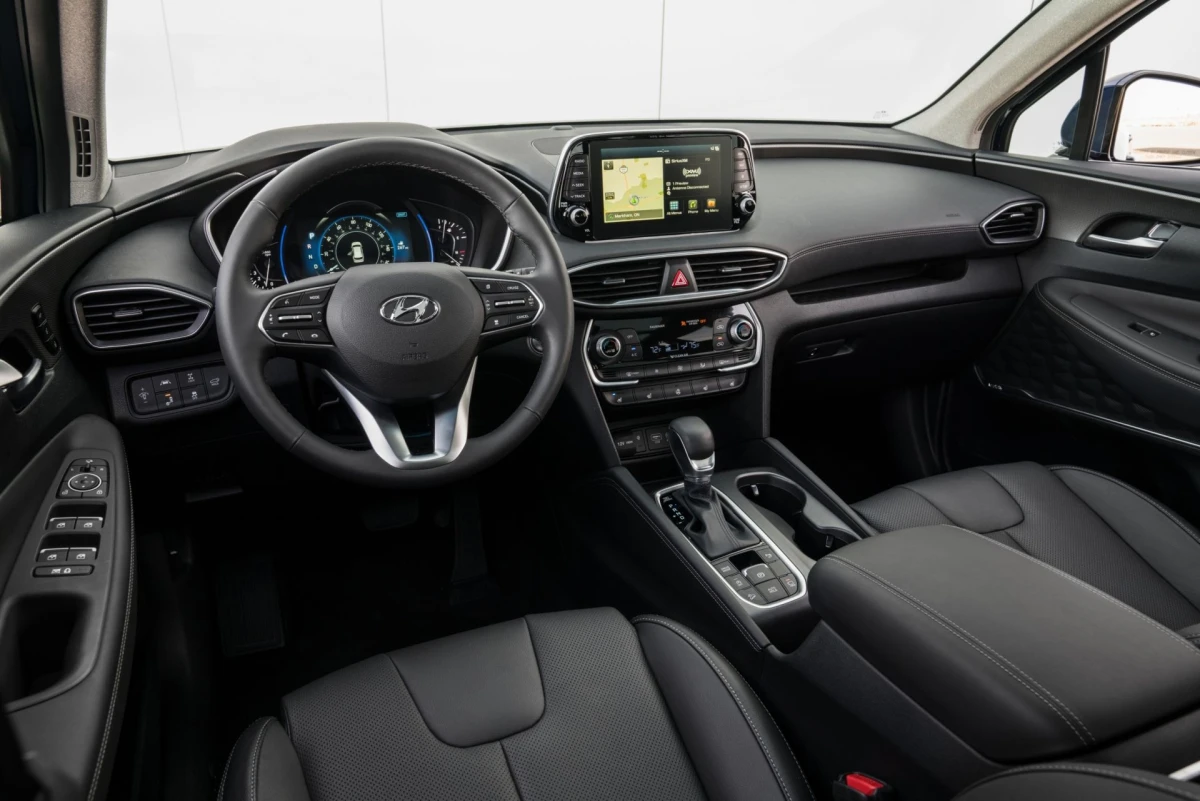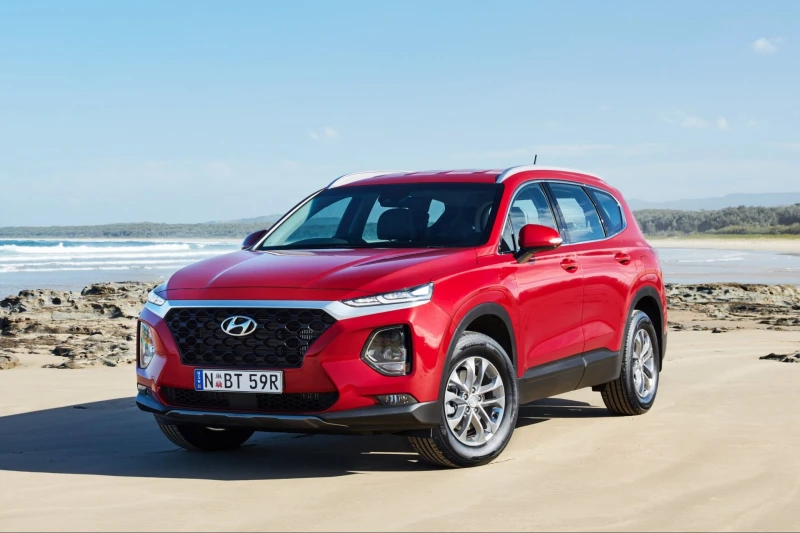
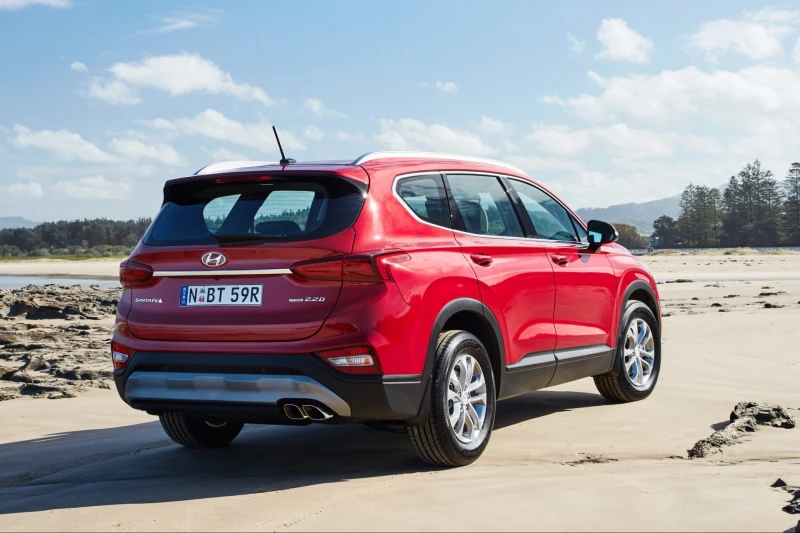
As of 2026, this generation is considered complete. The model debuted at international auto shows in the fall of 2018, with sales in Europe and the US market starting in early 2019. It rides on Hyundai-Kia’s proprietary modular platform, closely related to the architecture used in the eighth-generation Sonata (DN8). In the brand’s lineup, the Santa Fe is positioned as a midsize premium D-segment SUV, sitting between the compact Tucson and the flagship Palisade (on select markets).
Key highlights of this generation include a bold, expressive design with tri-level headlights, significantly upgraded driver-assistance systems, much improved sound insulation, and a substantially stiffer body structure compared to its predecessor. In the US market, all-wheel-drive versions — particularly those with gasoline and hybrid powertrains — have proven especially popular.
What’s New Compared to the Previous Generation
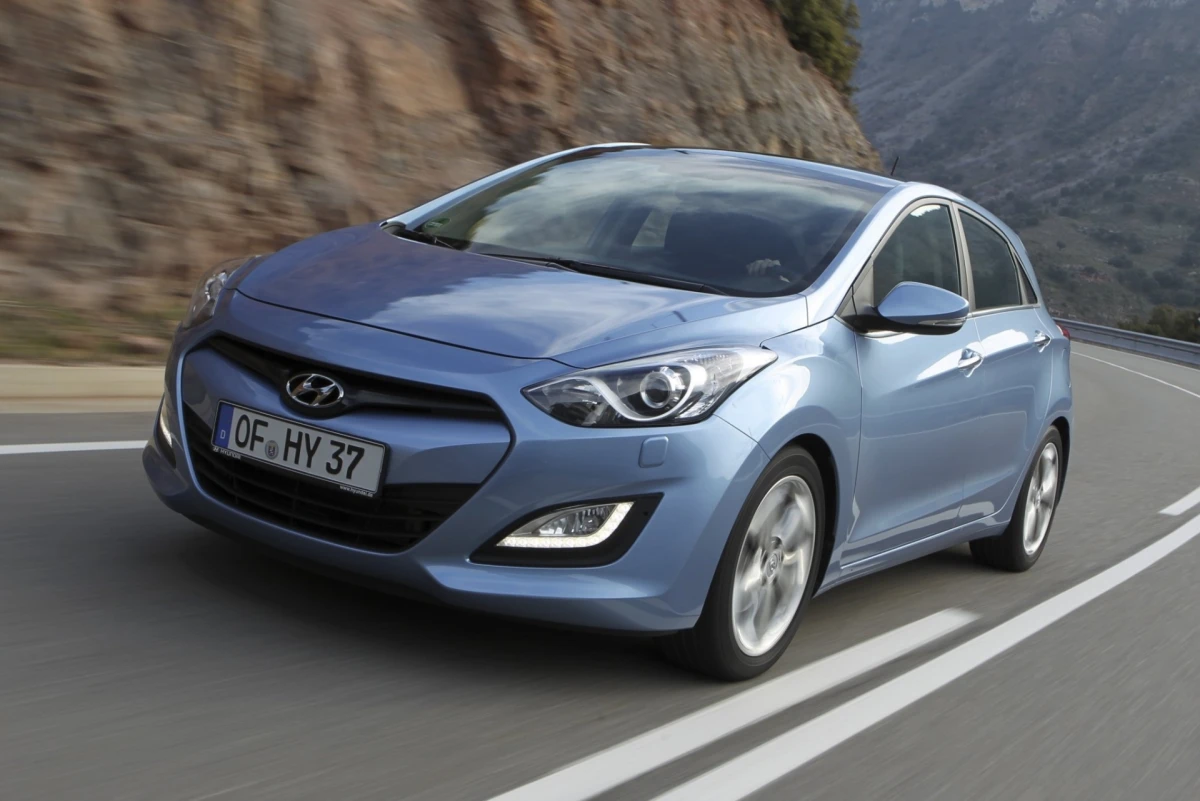
Compared to the third generation (DM, 2012–2018), the fourth generation brought substantial updates. The exterior became more aggressive and modern: a cascading grille, split-section headlights, and revised body proportions. Overall length increased by roughly 2.8–3.1 inches, wheelbase grew by about 2.6–2.8 inches, noticeably improving second-row space and cargo volume.
The platform is significantly stiffer thanks to greater use of high-strength steel. Suspension tuning was revised (MacPherson front, multi-link rear), and handling improved. Comfort levels rose thanks to better noise and vibration insulation and higher-quality interior materials. Safety features advanced considerably, adding forward collision-avoidance with pedestrian and cyclist detection, blind-spot monitoring, lane-keeping assist, and adaptive cruise control with Stop & Go capability (depending on trim).
The powertrain lineup was refreshed: older engines gave way to the Smartstream family (especially after the facelift), and an 8-speed automatic transmission became standard on most versions.
Current Status of the Generation
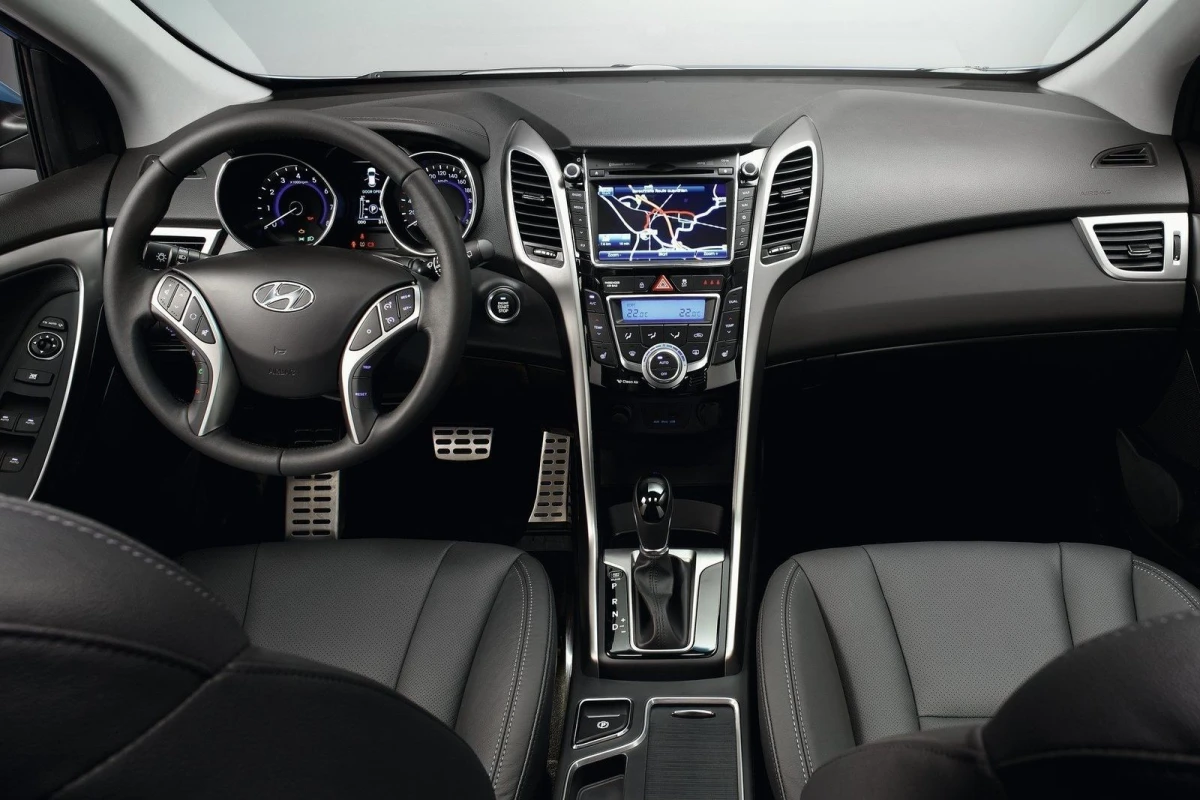
Production of the Hyundai Santa Fe TM ended in 2023 and was replaced by the fifth generation (MX5). The final model year offered mainly the 2.2L CRDi turbodiesel (Smartstream, 200–202 hp), 2.5L MPI gasoline (180 hp), and 1.6L T-GDi hybrid (230 hp combined). The 2020 facelift (2021 model year) brought a redesigned front end (new headlights and grille), updated interior (new steering wheel, 10.25-inch screens), replaced the 2.4L MPI with a 2.5L MPI, and introduced a full hybrid variant.
On the used market, the most sought-after versions are the 2.2 CRDi turbodiesel models with the 8-speed automatic and HTRAC all-wheel drive — they offer strong performance, reasonable fuel economy, and excellent residual value. Earlier pre-facelift 2018–2019 models with the 2.0 CRDi or 2.4 MPI engines are less common and usually more affordable.
US Used Market
In the American used market, the Hyundai Santa Fe (2018–2023) remains one of the most popular midsize crossovers in its class. According to major listing platforms (CarGurus, Autotrader, Cars.com) as of early 2026, thousands of examples are available nationwide, with a significant share coming from the fourth generation.
Approximate price range (depending on year, mileage, condition, and trim level):
| Model Year | Approximate Market Price (USD) | Typical Mileage |
| 2018–2019 | $16,000 – $23,000 | 75,000–125,000 miles |
| 2020–2021 | $21,000 – $29,000 | 50,000–95,000 miles |
| 2022–2023 | $27,000 – $38,000 | 20,000–65,000 miles |
The most in-demand configurations are AWD models with the 2.2L turbodiesel (where available) or the hybrid powertrain, especially in higher trims with premium features.
Main Trims and Equipment Levels in the US Market
The following trim levels are most commonly seen on the US used market:
- SE / SEL — cloth upholstery, single- or dual-zone climate control, 8-inch touchscreen, rearview camera, basic safety suite. More common on pre-facelift models.
- Limited — leather (or leatherette) seats, heated front seats, power driver’s seat, LED headlights, keyless entry, surround-view parking sensors.
- Calligraphy / Ultimate (pre-facelift) — panoramic sunroof, ventilated front seats, premium audio (Infinity or Krell), 12.3-inch digital cluster, head-up display, advanced driver aids including remote smart parking assist (RSPA), forward collision-avoidance with cyclist detection, and in rare cases adaptive suspension.
In the US, all-wheel drive, 19–20-inch wheels, heated steering wheel, and heated windshield (on higher trims) are very common. Hybrids are increasingly popular due to strong fuel economy and resale value.
Conclusions and Relevance
The fourth-generation Hyundai Santa Fe remains a highly desirable choice on the US used market for families seeking a spacious, well-equipped midsize crossover with all-wheel drive and reasonable running costs. It stands out for its modern styling, strong safety ratings, and proven reliability of the major mechanical components when properly maintained.
The post-facelift 2021–2023 models — especially those with the 2.2L turbodiesel or hybrid powertrain paired with the 8-speed automatic — offer the best balance of performance, efficiency, and features. When shopping for a used example, it’s recommended to verify service history (particularly the fuel system on diesels and transmission fluid changes every 40,000–50,000 miles), check for accident damage, underbody corrosion, and proper operation of the HTRAC AWD system and electronic aids.
In 2026, the Santa Fe TM continues to be a smart, value-oriented option in the midsize crossover segment — especially if you prioritize all-wheel drive and either strong diesel torque or hybrid efficiency at a price well below a new-model equivalent.