


The 2018–2023 Hyundai Santa Fe cabin features a modern layout, upgraded materials, and a generous array of equipment. On the US used market, this generation remains a popular choice, and the condition of the interior often plays a key role in selecting the right example. Below, we break down the main aspects of the cabin with US-market specifics in mind.
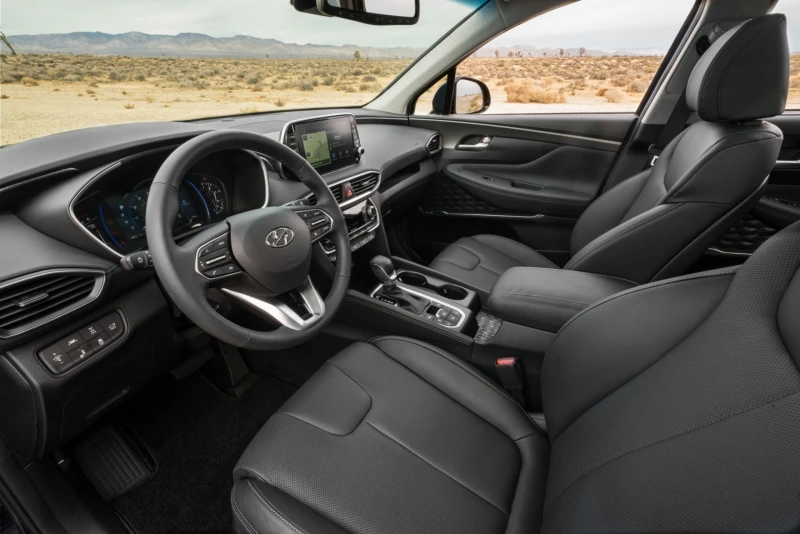
Overall Cabin Overview
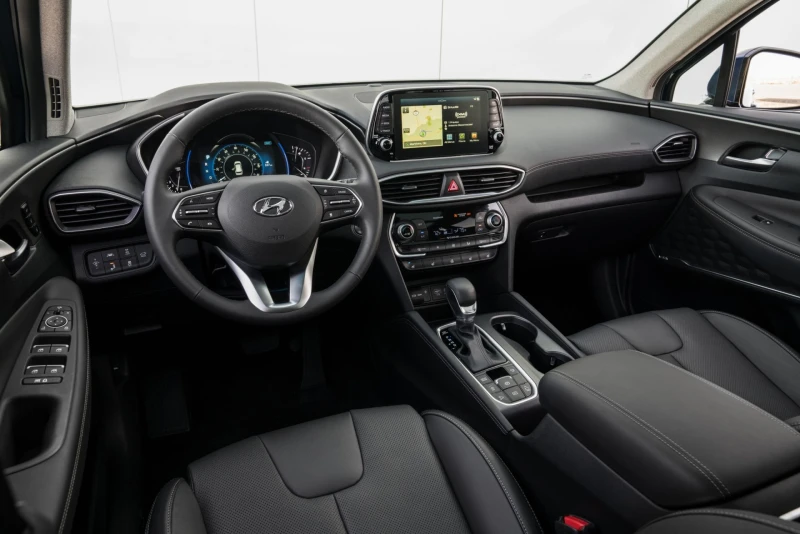
The Santa Fe TM's center console revolves around a large vertically oriented infotainment touchscreen. Pre-2020 facelift models came with an 8-inch display, while post-facelift versions upgraded to 10.25 inches. Below the screen sits a physical climate control panel with buttons and knobs for easy blind operation. Upper sections of the dash and doors use soft-touch plastics with textured finishes, while lower areas feature harder plastics. Higher trims add faux stitching and piano black or aluminum-style accents.
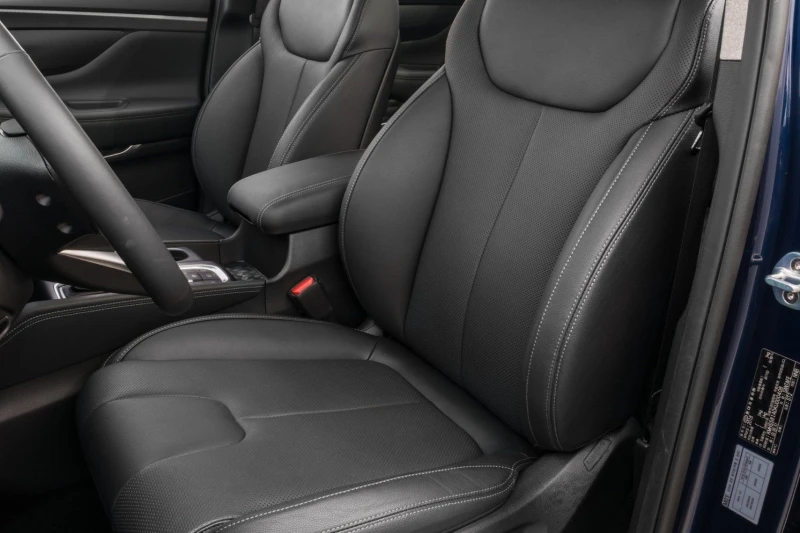
Driver ergonomics are strong: the steering column offers generous tilt and telescopic adjustment, seats provide solid side bolstering and adequate cushion length. Forward and side visibility is good, though thick front pillars create noticeable blind spots.
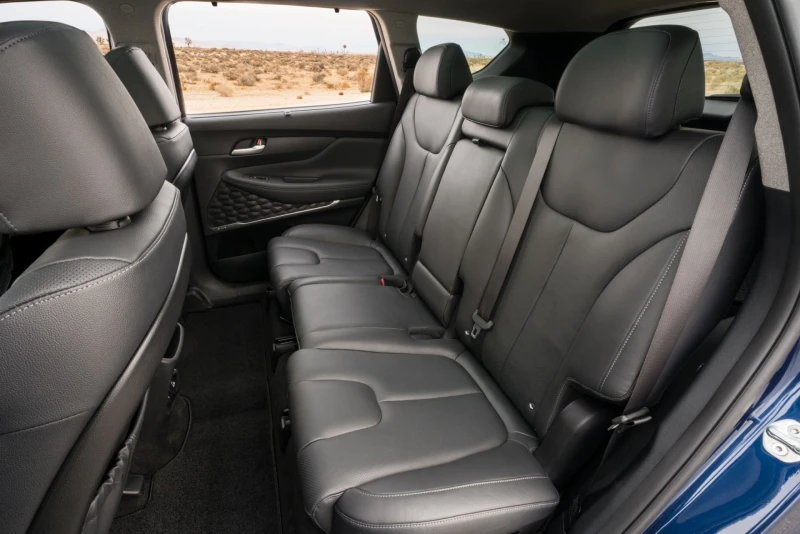
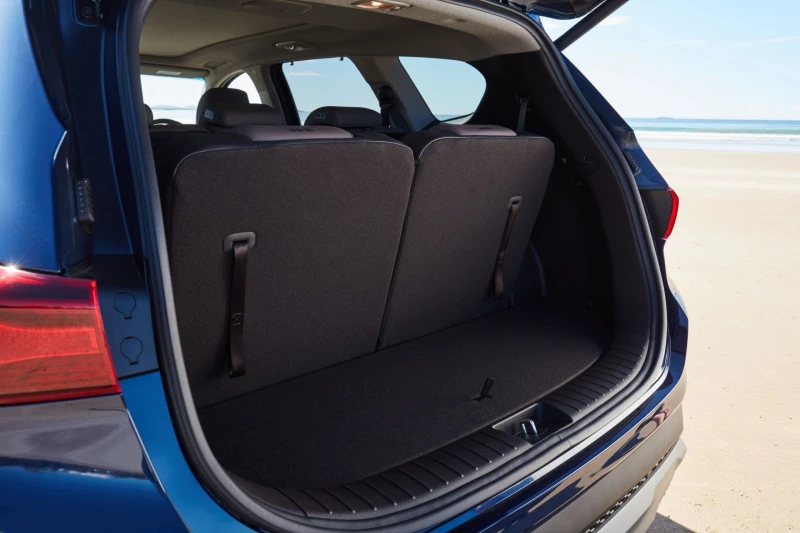
The second row offers comfortable seating for three average-sized adults. Knee room and headroom are ample thanks to the 108.9-inch wheelbase. The seatback angle is adjustable, with dedicated rear vents and USB ports. The optional third row (in seven-seat versions) is best suited for kids or occasional use — legroom and headroom are tight, and the roofline is low.
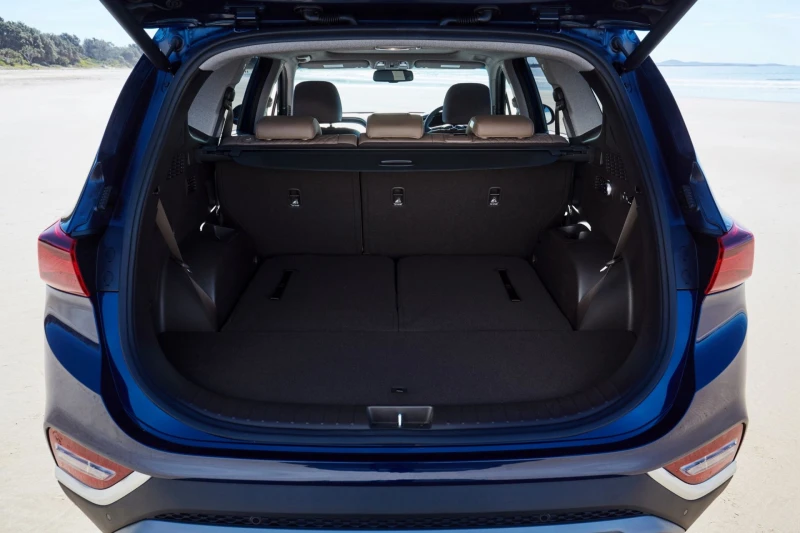
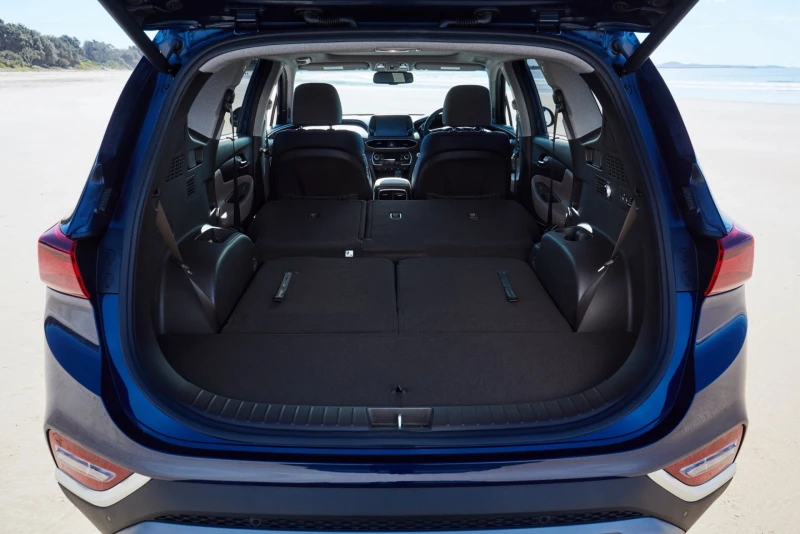
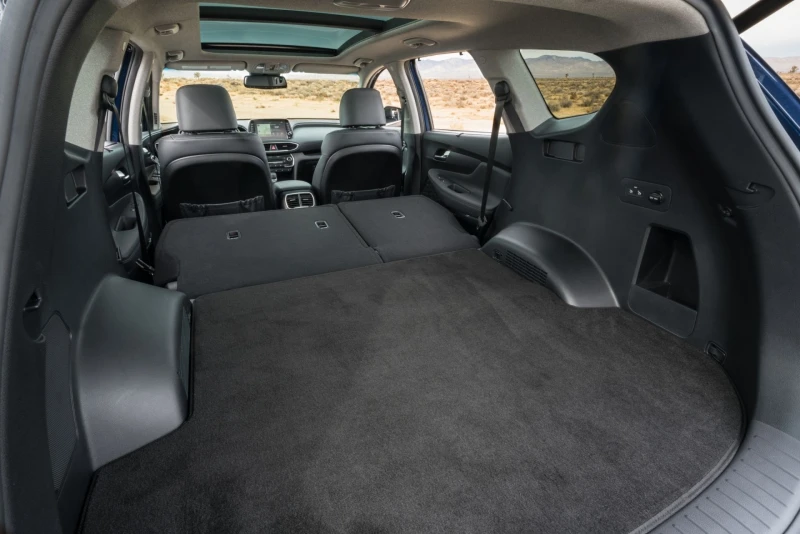
Cargo space in the five-seat layout provides about 36.4 cubic feet behind the second row (up to roughly 72.1 cu ft with seats folded). The floor is flat, and underfloor storage includes a compact spare or full-size spare depending on trim. Rear seat folding is straightforward — one-touch operation creates a nearly flat load floor.
Trim Levels and Features on the US Market
On the US used market, the Hyundai Santa Fe TM commonly appears in these typical trim levels (names may vary slightly by year and importer):
| Trim Level | Seat Upholstery | Infotainment | Climate Control | Key Features | Common Availability in US |
|---|---|---|---|---|---|
| SE / Base | Cloth | 8" touchscreen, Apple CarPlay / Android Auto | Dual-zone | Rearview camera, heated front seats, heated steering wheel | Moderate (mostly pre-facelift 2018–2020) |
| SEL / Value | Cloth or leatherette | 8–10.25" touchscreen | Dual-zone | LED headlights, keyless entry/start, power driver's seat, heated rear seats | High |
| Limited / Ultimate / Calligraphy | Leather (sometimes premium Nappa) | 10.25" + 12.3" digital cluster | Tri-zone | Panoramic sunroof, ventilated front seats, premium audio (Infinity), head-up display, surround-view camera, remote smart parking | High (especially facelifted 2021–2023) |
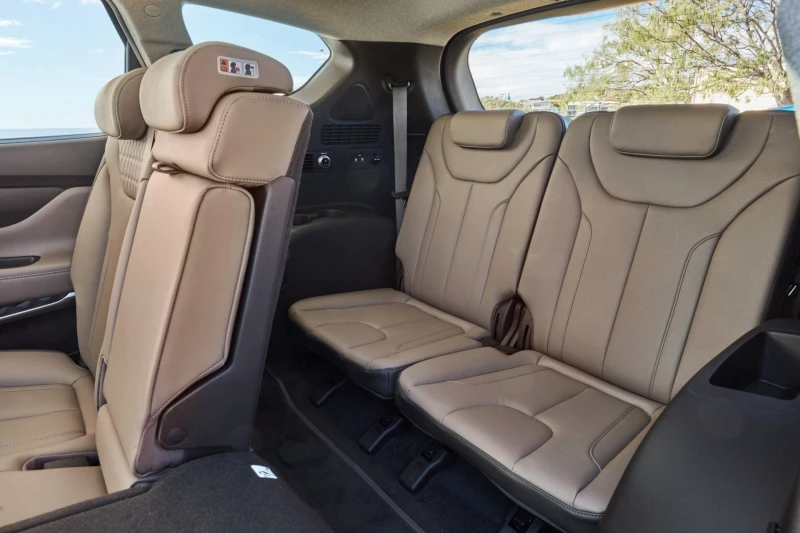
US-market Santa Fe models often feature panoramic sunroofs, heated seats throughout (including rear), heated steering wheel and windshield, and leather upholstery even in mid-level trims — reflecting buyer preferences and varied climate conditions across the country.
Interior Changes by Year and Facelift
The major interior refresh came with the 2020 facelift (model year 2021). Key updates included:
- Infotainment screen enlarged to 10.25 inches (from 8 inches);
- Fully digital 12.3-inch instrument cluster (replacing analog-digital hybrid);
- Redesigned steering wheel with touch-sensitive controls;
- Updated climate controls and center console;
- Improved sound insulation (additional padding on floor, doors, and wheel wells);
- Expanded interior color options — more dark brown and beige choices, refined stitching.
Pre-facelift 2018–2020 models look slightly simpler with a smaller screen, but build quality and materials remain solid. Post-2021 versions feel noticeably more modern, especially in higher trims.
Common Issues and Owner Feedback
On the US market, with varied road conditions and typical mileage, these are frequently mentioned points:
- Wear on driver's seat bolsters and steering wheel leather (around 75,000–95,000+ miles);
- Creaks from the center console and door panels (especially in colder weather);
- Scratches and fingerprints on piano black trim around the screen and console;
- Second row best for passengers up to about 6'1" — taller adults may feel knee room pinch with the front seat fully back;
- Pre-facelift sound insulation is noticeably weaker — tire and road noise becomes evident above 65–75 mph;
- Glossy surfaces attract fingerprints and minor scratches quickly — regular cleaning helps.
Overall, major structural interior issues (cracked plastics, delamination, mechanism failures) are rare for the class.
Final Thoughts and Current Relevance
In 2026, the Hyundai Santa Fe IV (TM) interior still feels contemporary, particularly in facelifted 2021–2023 examples. The digital cluster, large touchscreen, quality leather, and comprehensive suite of driver aids keep it competitive against newer mid-size SUVs.
For strong value in terms of price, features, and comfort on the US used market, look for facelifted models in SEL, Limited, or Calligraphy trims with the 2.2L diesel or 2.0T/2.5T gas engines and leather interiors. These deliver nearly all key comfort and tech options without the premium price jump to top-tier variants.
When shopping for a used Santa Fe TM, focus on:
- Condition of the driver's seat and steering wheel (wear, fading);
- No creaks when rocking the vehicle or driving over bumps;
- Full operation of seat heating/cooling, ventilation, and panoramic sunroof (if equipped);
- Condition of glossy trim and screens (scratches, fading);
- Service history for the climate system and infotainment.
The 2018–2023 Hyundai Santa Fe cabin remains one of the model's strongest assets on the used market, delivering high comfort and practicality for family use.