


The 2011–2017 Hyundai i30 cabin combines clean, uncluttered design with everyday usability and decent comfort levels. This review covers the key aspects of the i30 interior – materials quality, ergonomics, available trim packages, and how the cabin evolved over the years. Analysis is based on examples commonly seen on the US used market, where this model was sold as the Hyundai Elantra GT.
General Cabin Overview
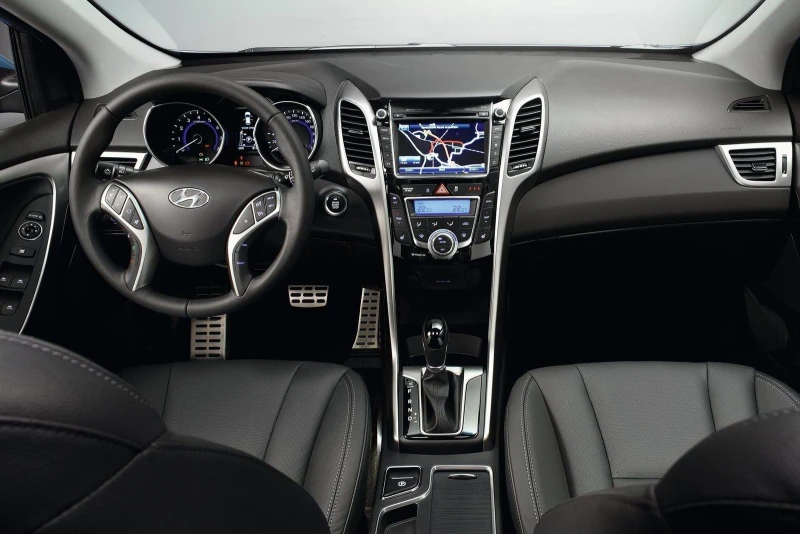
The Hyundai i30 II (GD) interior follows a restrained, no-frills approach with a strong focus on practicality. Dashboard and door cards feature soft-touch plastics in higher areas, while seats come with cloth or leatherette upholstery depending on the trim. Material quality feels average for the class – hard-wearing and resistant to heavy use, though some creaks can appear over rough roads, which was common in this price range. Overall cabin ambiance is neutral: nothing flashy, but solidly built for daily driving.
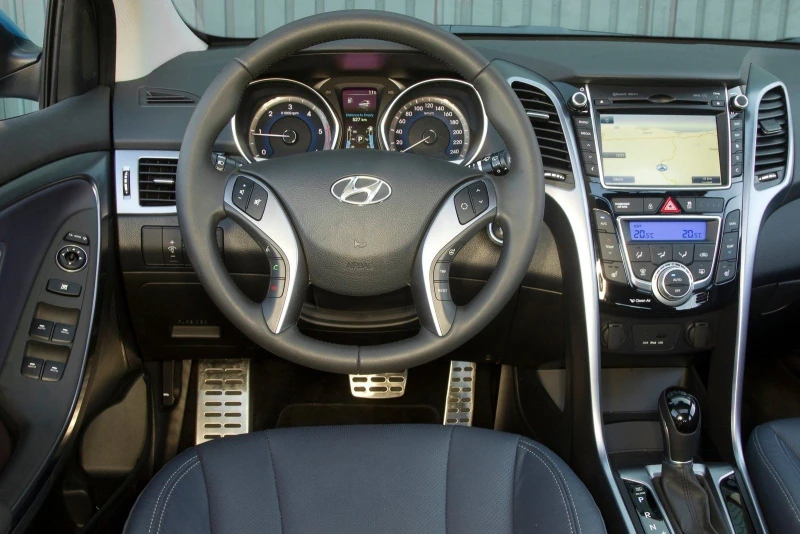
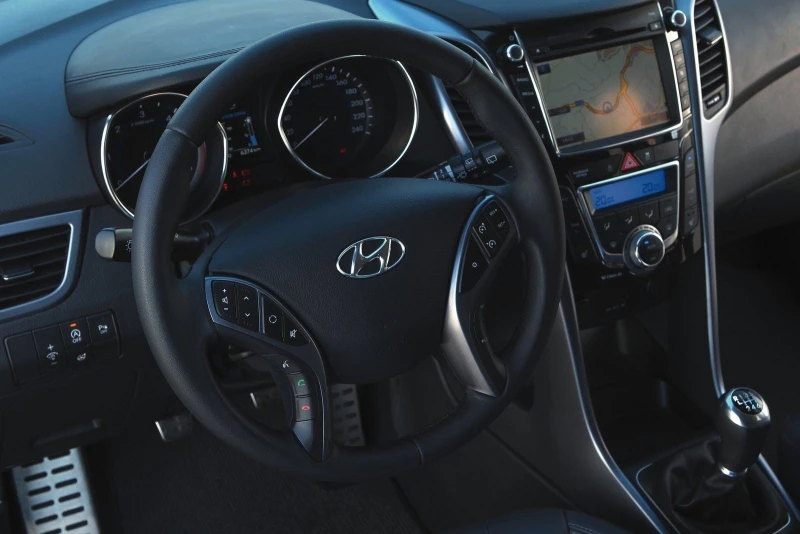
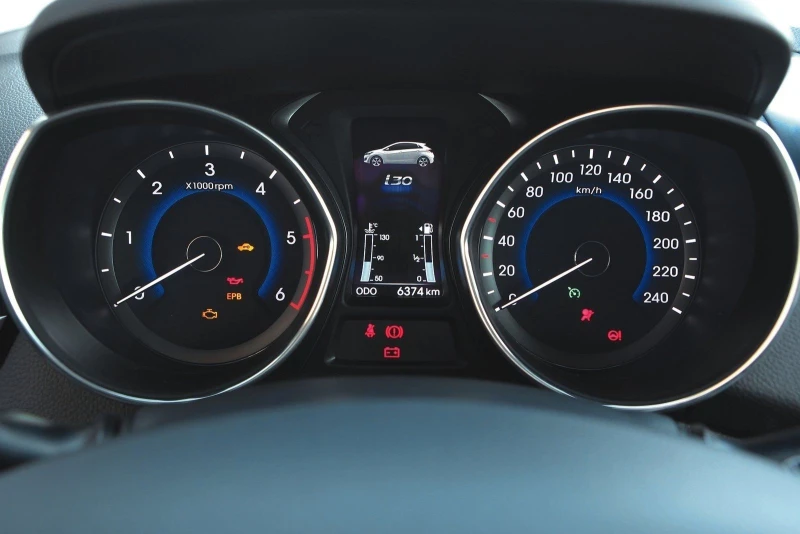
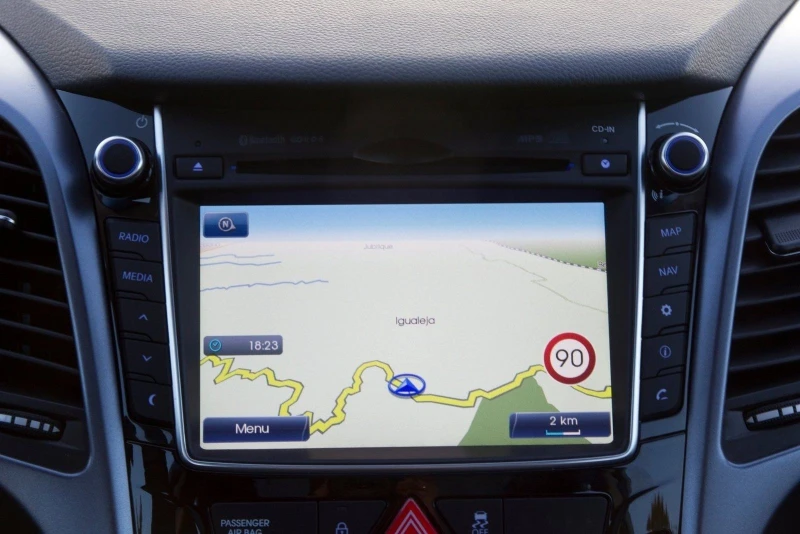
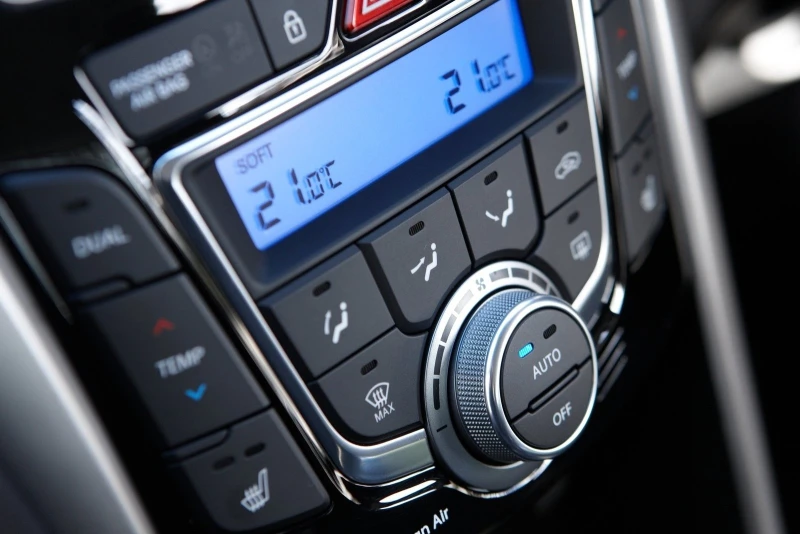
The instrument panel and center stack are straightforward – analog gauges with clear markings, plus a central display for audio or optional navigation in higher trims. Driver ergonomics are well thought out: the steering wheel adjusts for tilt and reach, pedals are nicely positioned, and climate/audio controls fall easily to hand. This setup helps reduce fatigue during stop-and-go city driving or longer highway runs.
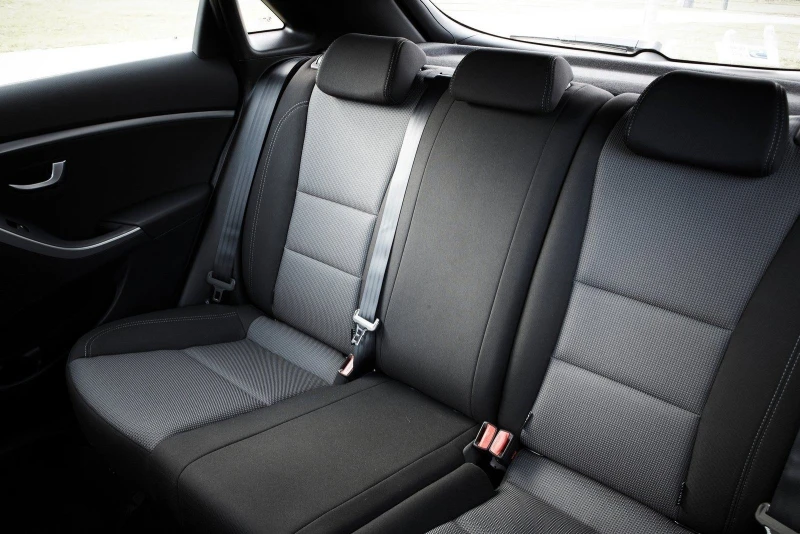
Front seats offer good adjustability and moderate side bolstering, with enough head- and legroom for most adults. The rear bench comfortably seats two adults; three is possible but tight, especially for taller passengers whose knees may touch the front seatbacks if the driver is over 6 ft. Visibility is strong thanks to large mirrors and relatively slim pillars, though the hatchback’s rear window does limit the view slightly when reversing.
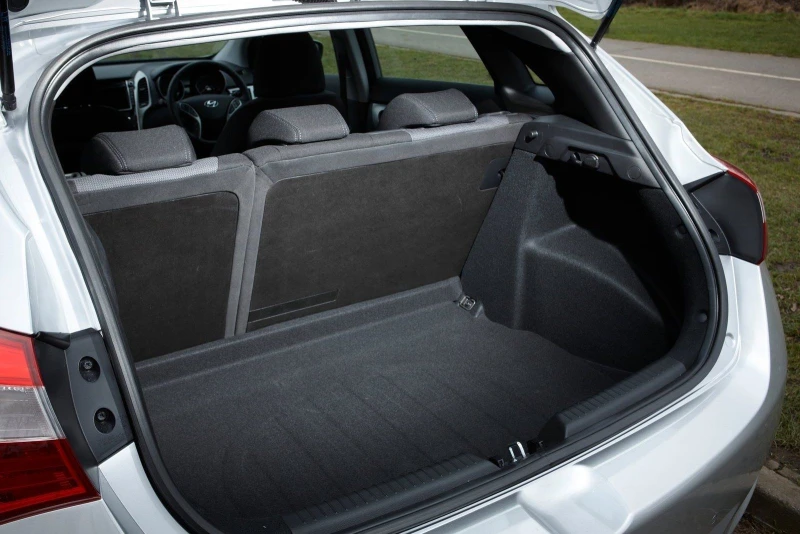
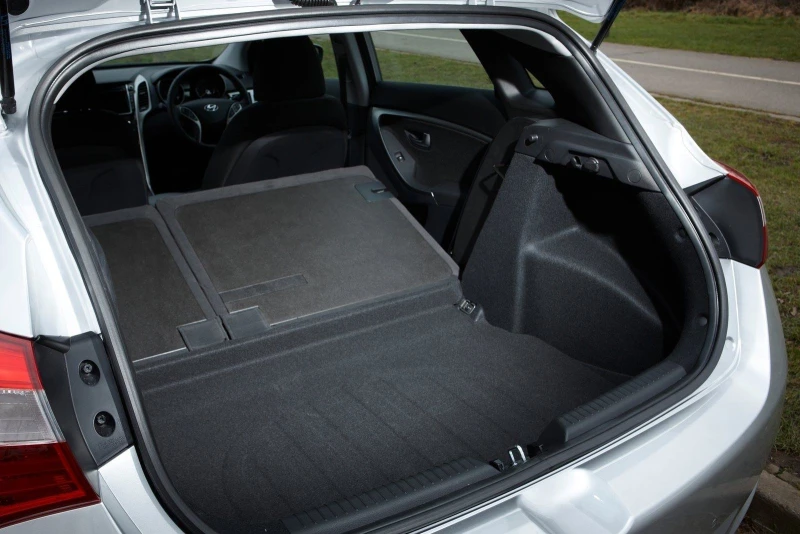
Cargo space varies by body style. The 5-door hatch offers 378 liters (13.3 cu ft) with seats up and up to 1,316 liters (46.5 cu ft) with them folded. The wagon (Touring) provides a more generous 528–1,642 liters (18.6–58 cu ft), making it the better choice for families or frequent haulers. Rear seats fold 60/40 with a nearly flat load floor. Everyday usability is excellent – plenty of hooks, nets, and tie-downs help secure groceries, strollers, or weekend gear. Overall, the i30 cabin is clearly geared toward urban and suburban life with an emphasis on function over flair.
Trim Levels on the US Market
In the United States, the Hyundai Elantra GT (equivalent to the i30 II) was offered in several trim levels tailored to American preferences for value, safety, and convenience. Common trims included base, mid-level GLS/ SE, and higher GLS Premium or Sport editions. Most used examples today are imports or North American-spec cars.
Entry-level trims usually featured cloth upholstery, basic audio with CD/MP3, manual air conditioning, dual front airbags, and ABS. Multimedia was limited to a simple radio; no cruise control or parking sensors in the base model.
Mid-grade versions added nicer cloth or partial leatherette, a multifunction steering wheel, automatic climate control, Bluetooth/USB connectivity, up to six airbags, electronic stability control (ESC), and hill-start assist. Heated front seats were frequently included or optional – very useful in colder states.
Higher trims brought leather-appointed seats (full or partial), touchscreen infotainment with navigation, dual-zone climate control, rain-sensing wipers, rear parking sensors, and sometimes a rearview camera. Top versions could include a panoramic sunroof, premium audio, blind-spot monitoring, and other driver aids.
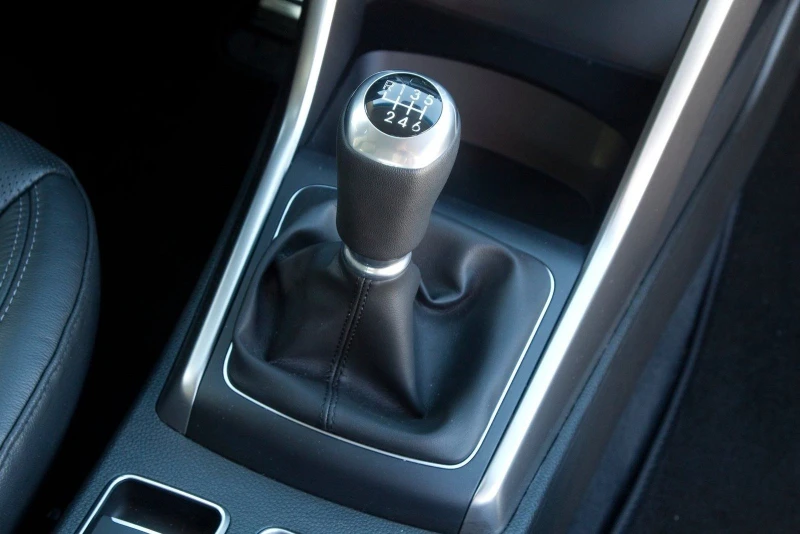
US-market specifics: strong preference for automatic transmissions, emphasis on safety features even in mid trims, and less focus on manual diesel options compared to Europe. New prices back in the day typically ranged from about $18,000 to $26,000 depending on trim and options.
| Trim Level | Upholstery | Infotainment | Climate | Safety Features | Key Options |
| Base | Cloth | Basic radio | Manual A/C | ABS, 2 airbags | – |
| Mid (GLS/SE) | Improved cloth | Bluetooth, USB | Auto climate | ESC, 6 airbags | Heated seats |
| Upper | Leather (opt) | Touchscreen | Dual-zone | Rear sensors | Rain sensors |
| Top/Sport | Leather | Navi, premium audio | Dual-zone | Camera, blind spot | Panoramic roof |
Year-to-Year Changes & 2015 Facelift
The i30 II (GD) received gradual updates during its run. Early 2011–2012 models had the most basic cabin – simple materials and analog-only gauges. Over time, Hyundai improved noise insulation, added new upholstery colors (gray, beige), and refined fit and finish.
The major 2015 facelift focused mostly on the exterior, but the interior also benefited: softer dashboard finish, more piano-black accents, noticeably better sound deadening (extra insulation in doors and floor), upgraded touchscreen infotainment in upper trims, and partial digital elements in the instrument cluster. Materials became more durable, and cabin color options expanded.
Post-facelift models (2015–2017) tend to hold value better on the used market thanks to the improved refinement, quieter ride, and more modern tech feel.
Common Issues & Owner Feedback
After 100,000–150,000 miles, cloth seats often show wear, especially on the driver’s bolster. Dashboard plastics can develop scratches, and glossy trim pieces may dull from sun exposure.
Typical complaints include minor interior rattles over potholes, wind and tire noise above 65 mph due to average sound insulation, and tight rear legroom for taller adults. Rear visibility can suffer in heavy rain from fogging if the cabin filter is neglected.
Maintenance notes: cloth upholstery traps dirt easily; leather needs regular conditioning. In regions with harsh winters and road salt, check under floor mats for early rust. Used examples often show signs of family use – pet hair, kid stains, etc. Owners generally agree the cabin holds up well for city commuting but noise levels are a frequent critique.
Conclusion & Modern Relevance
By 2026 standards, the 2011–2017 Hyundai i30 interior feels dated – no full digital cluster, limited smartphone integration, and simpler tech overall. Still, it remains a practical, reliable choice in the budget used hatchback segment with solid build quality and sensible ergonomics.
Best value trims are usually the mid-level GLS/SE or equivalent – they strike a nice balance of safety features, comfort, and price without premium extras. Current used prices in the US typically range from $6,000 to $12,000 depending on mileage, condition, and region (approximate market range for well-maintained examples).
When shopping used, inspect the cabin closely: check for rattles, seat wear, functioning electronics, and signs of heavy use. A pre-purchase inspection should include noise insulation, HVAC performance, and under-carpet condition – especially important given varying US road and climate conditions.