The situation involving Volkswagen and the Chinese company Xpeng illustrates how strategic cooperation in one region can lead to direct rivalry in another.
Volkswagen Investments and Focus on China
For decades, Volkswagen has held leading positions in the Chinese automotive market. However, in recent years, sales have begun to decline, and in 2023, the company acknowledged the need for closer collaboration with local manufacturers. One such step was a $700 million investment in Xpeng, equivalent to approximately 650 million euros.
In return, Volkswagen acquired about 5% of the company's shares and access to the advanced SiC electric platform. Based on this, two electric crossovers are planned for the Chinese market, one of which was unveiled late last year as the ID.Unyx 08.
Different Markets — Different Interests
The collaboration between the companies was initially limited to China. In Europe, Volkswagen intended to develop its EV lineup independently. However, Xpeng has also targeted European buyers and begun preparations for a full market entry.
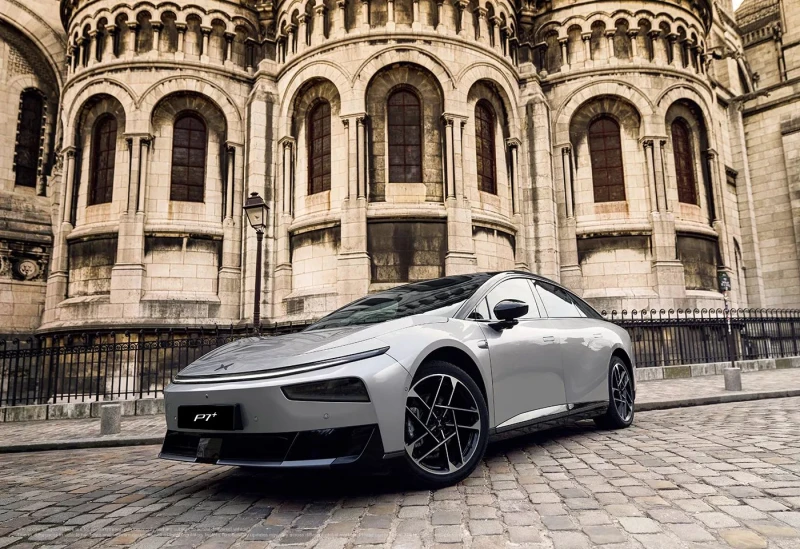
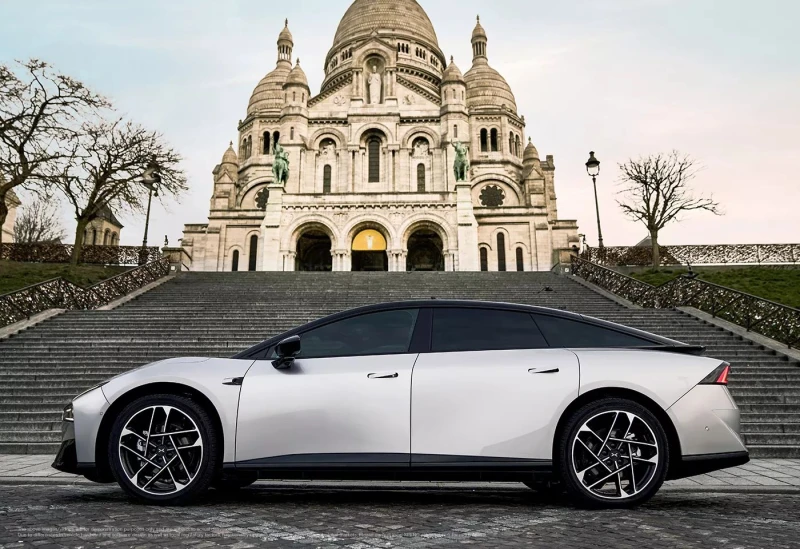
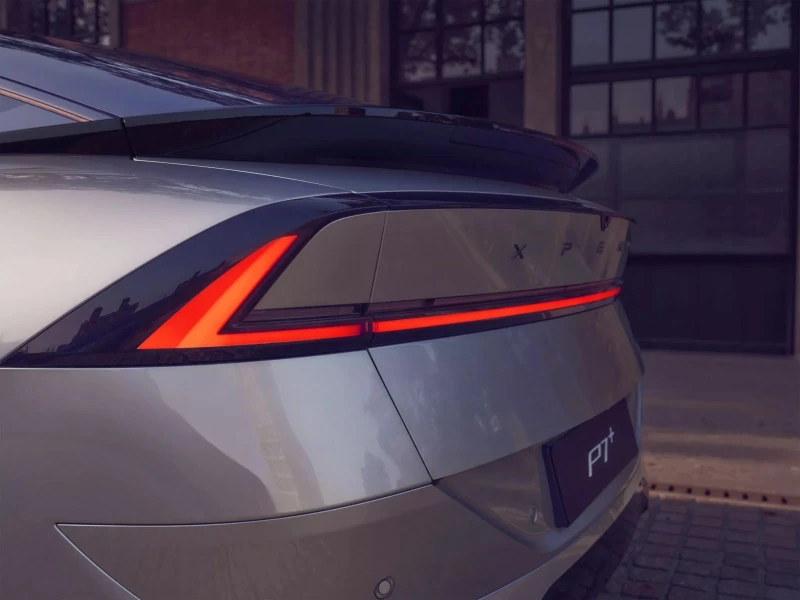
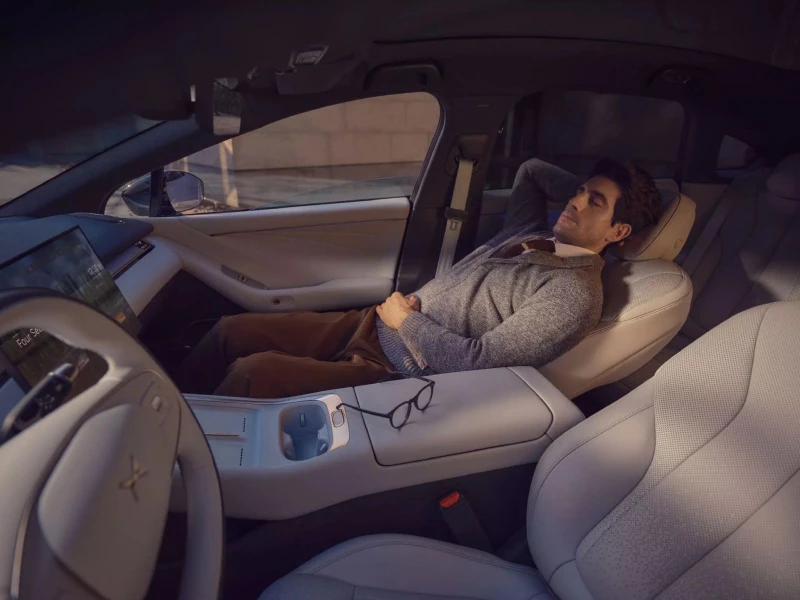
Recently, at the Brussels Auto Show, the Xpeng P7+ electric sedan was presented in a European version. In terms of size and format, it is similar to the Volkswagen ID.7, immediately positioning these models as direct competitors in the same segment.
Positioning and Technical Specifications
The Xpeng P7+ measures 5,071 mm in length, classifying it as a large business sedan. The base version features a 62 kWh battery, providing a range of up to 455 km under the WLTP cycle. The price for this version in Europe is set at 43,600 euros.
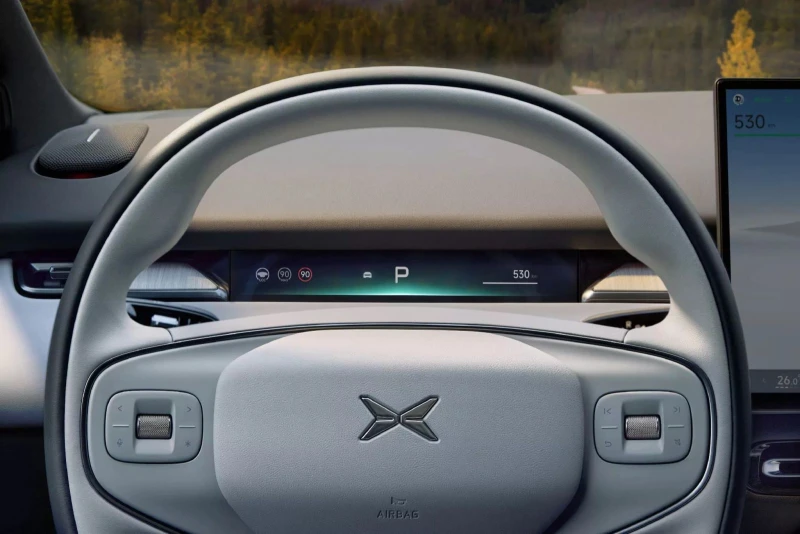
For comparison, the entry-level Volkswagen ID.7 starts at 54,105 euros. It has a 77 kWh battery and a claimed range of 619 km. Higher-end ID.7 variants can achieve up to 708 km without recharging, while the maximum for the P7+ is around 530 km.
Charging as a Key Factor
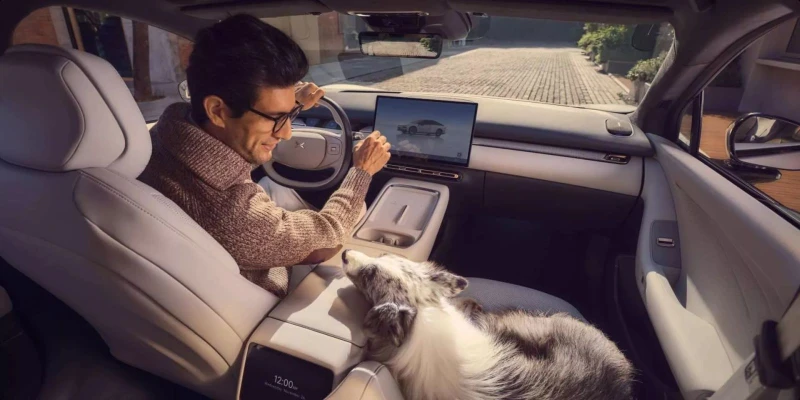
Xpeng emphasizes charging speed. The base P7+ supports up to 350 kW charging, and the top version reaches 446 kW. In contrast, the Volkswagen ID.7 is limited to 200 kW charging power.
According to Xpeng representatives, using smaller-capacity batteries reduces vehicle weight, improves handling, and shortens charging times in real-world conditions.
Competition Prospects
The primary audience for the Volkswagen ID.7 in Europe includes corporate clients and fleets, where long-term contracts and established partnerships play a significant role. For a new entrant, penetrating this segment may prove challenging, despite a more attractive price and advanced technical solutions.
Conclusion
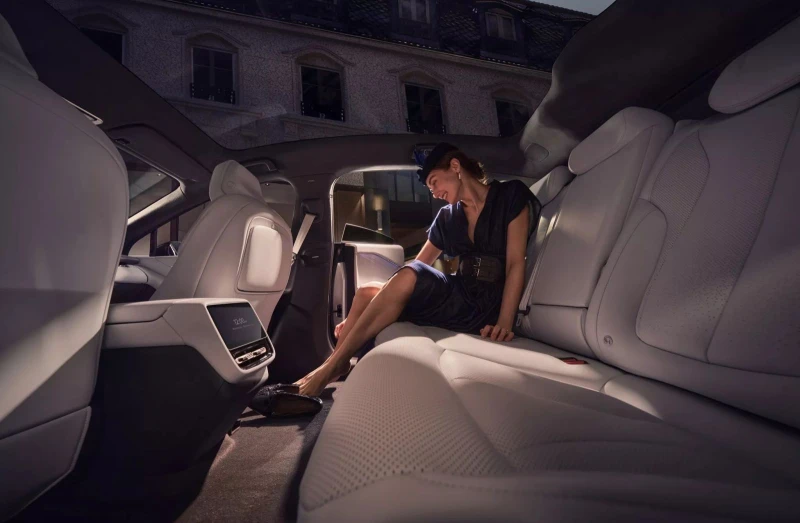
Xpeng's entry into the European market demonstrates shifts in the global automotive industry structure. The company, in which Volkswagen invested to strengthen its position in China, is now becoming a direct competitor in Europe. The outcome of this rivalry will depend on which factors—price, technology, or established market connections—prove more important to buyers.