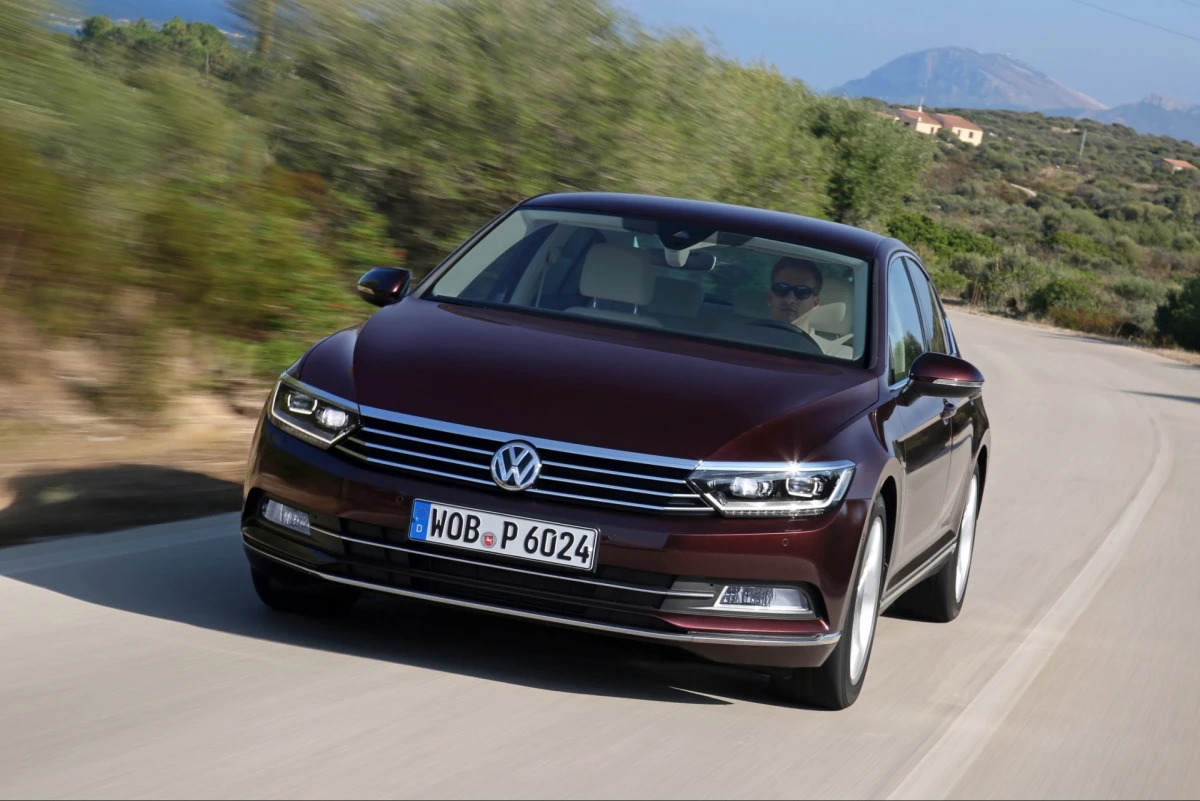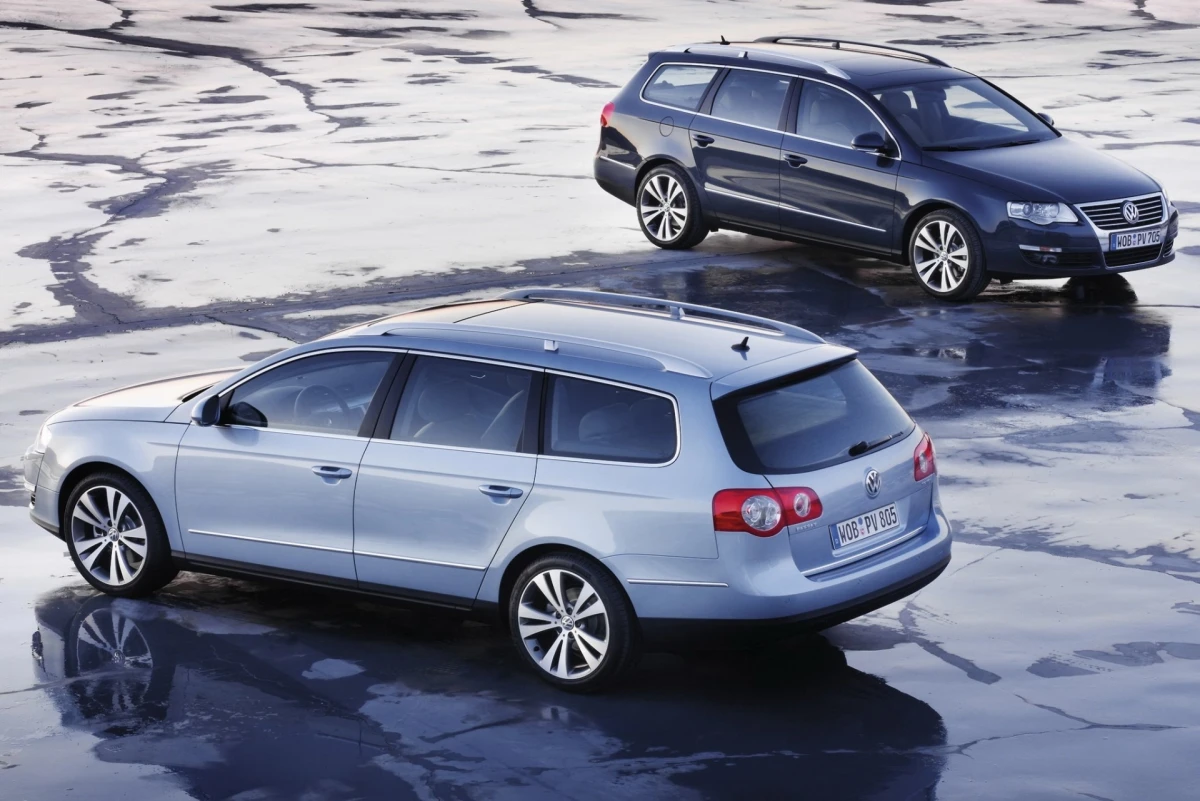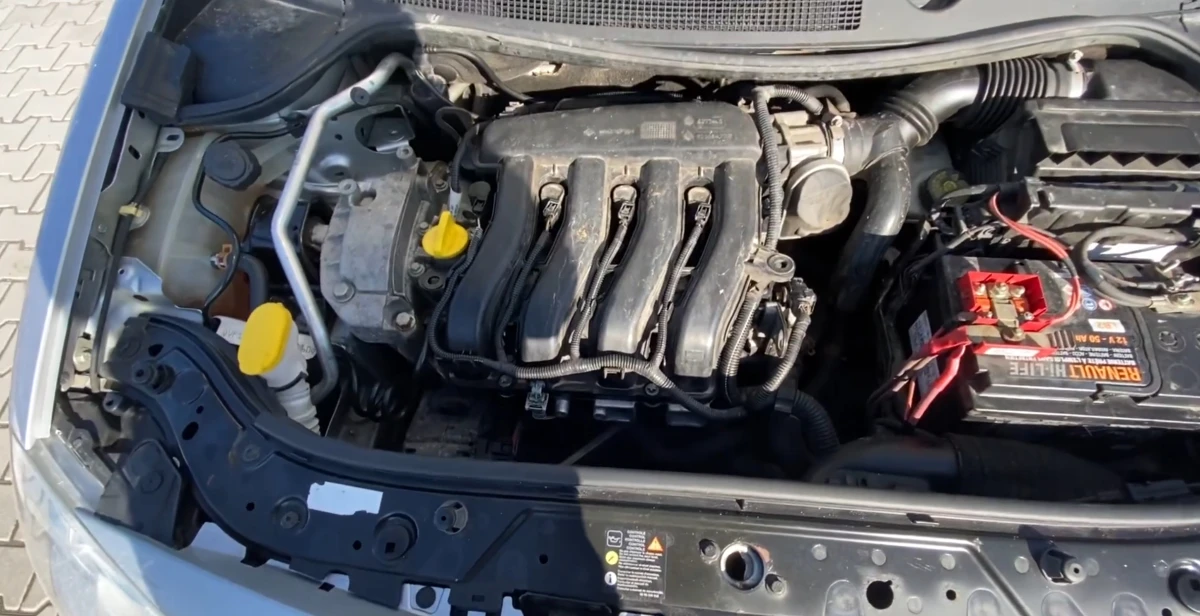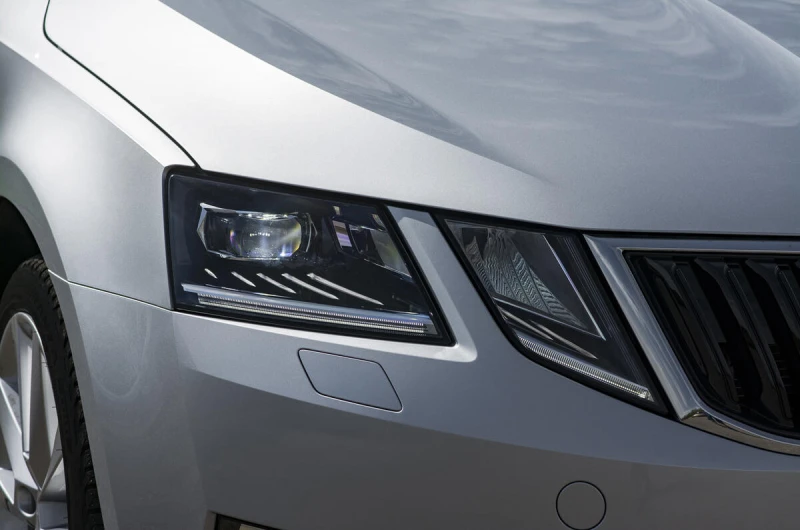
The third-generation Skoda Octavia 2013–2020, known as Mk3 (A7, Typ 5E), became a true bestseller thanks to the versatile MQB platform, wide range of engines, and generous dimensions. In this article, we dive deep into the Skoda Octavia 2013–2020 engines, their pairings with transmissions and drivetrains, body sizes, and year-by-year changes. We pay special attention to real-world driving conditions in the United States, where fuel quality and road types play a role in ownership choices. For exterior, interior, trim levels, and common issues across the generation, check out other articles in the series.
The Skoda Octavia III launched in 2012 and was built through 2020, including the significant 2017 facelift. In Europe and beyond, over 3 million units were sold, and it remains a popular choice on the used market. The Skoda Octavia engine overview is impressive: from efficient small TSI units to potent TDI diesels, with a strong emphasis on fuel savings. Let’s get into the details.
Engines and Transmissions
The Skoda Octavia engine lineup for the third generation offers plenty of variety: turbocharged TSI gasoline engines with direct injection, common-rail TDI diesels, plus rare CNG and mild-hybrid options after 2017. Power outputs range from 86 to 245 hp (RS models). Most are front-wheel drive (FWD), while all-wheel drive (4x4 via Haldex V) appears in about 20% of versions, especially with TDI or RS models. In the US market, gasoline TSI variants tend to be more common due to fuel availability and preferences.
Transmissions include 5/6-speed manual (MQ250), 6-speed DSG (DQ250 wet-clutch for higher power), and 7-speed DSG (DQ200 dry-clutch for lower-output engines). Real-world fuel economy (based on owner reports and US driving cycles, combined):
- Gasoline 1.4 TSI (140 hp): 28–32 mpg
- Gasoline 1.8 TSI (180 hp): 25–29 mpg
- Diesel 1.6 TDI (110 hp): 38–45 mpg
- Diesel 2.0 TDI (150 hp): 35–42 mpg
| Engine (type, displacement) | Power, hp | Transmission | Drivetrain | Fuel Economy (combined, mpg) |
|---|---|---|---|---|
| Gasoline, 1.2 TSI (pre-2017) | 86/105 | 5-speed manual / 7-speed DSG | FWD | 30–36 |
| Gasoline, 1.4 TSI | 140 | 6-speed manual / 7-speed DSG | FWD | 28–32 |
| Gasoline, 1.0 TSI (from 2017) | 115 | 6-speed manual / 7-speed DSG | FWD | 32–38 |
| Gasoline, 1.5 TSI (from 2017) | 150 | 6-speed manual / 7-speed DSG | FWD | 30–35 |
| Gasoline, 1.8 TSI | 180 | 6-speed manual / 6-speed DSG | FWD | 25–29 |
| Gasoline, 2.0 TSI (RS) | 220/245 (from 2017) | 6-speed DSG | FWD / 4x4 | 24–28 |
| Diesel, 1.6 TDI | 90/110 | 5-speed manual / 7-speed DSG | FWD | 38–45 |
| Diesel, 2.0 TDI | 150/184/190 (from 2017) | 6-speed manual / 6-speed DSG | FWD / 4x4 | 35–42 |
The table covers 2013–2020 models, including facelift changes. In the US used market, gasoline models with DSG are especially sought after for their balance of performance and convenience.
Dimensions and Weight
The Skoda Octavia III is a C/D-segment liftback or wagon focused on comfort: length around 4,659–4,670 mm, ground clearance 155 mm (adapted for varied US roads). Body styles include liftback, Combi wagon, and Scout (4x4). Curb weight ranges from 2,679 lbs (1.2 TSI FWD) to 3,241 lbs (2.0 TDI 4x4). Trunk space: 590/1,580 liters (liftback), 610/1,740 liters (Combi). Fuel tank 50/45 liters (diesel versions). FWD is standard, 4x4 available on RS and Scout.
| Parameter | Liftback | Combi Wagon | Scout (4x4) |
|---|---|---|---|
| Length, in | 183.4–183.9 (FL) | 184.1–185.0 (FL) | 184.5 |
| Width, in | 71.4 | 71.4 | 71.4 |
| Height, in | 57.5 | 57.7 | 58.5 |
| Wheelbase, in | 105.7 | 105.7 | 105.7 |
| Ground Clearance, in | 6.1 | 6.1 | 6.7 |
| Curb Weight, lbs | 2,679–3,086 | 2,749–3,241 | 3,086–3,417 |
| Gross Weight, lbs | 4,079–4,453 | 4,189–4,564 | 4,409–4,740 |
| Trunk Volume, cu ft (min/max) | 20.8/55.9 | 21.5/61.5 | 20.7/60.4 |
| Drivetrain | FWD / 4x4 | FWD / 4x4 | 4x4 |
| Transmission Types | 5/6-speed manual, 6/7-speed DSG | 5/6-speed manual, 6/7-speed DSG | 6-speed DSG |
Data for main variants; RS versions sit about 0.4 inches lower. In the US used market, the Combi wagon appeals to about 35% of buyers for its practicality.
Updates by Year and 2017 Facelift
The Skoda Octavia III received its facelift in early 2017, with changes reaching the used market from 2017–2018 onward. Pre-2017: focus on 1.2/1.4 TSI and 1.6/2.0 TDI, with DSG-7 for smaller engines. Post-2017: new engines including 1.0 TSI (115 hp, replacing 1.2, ~10% better efficiency), 1.5 TSI (150 hp with ACT cylinder deactivation), and 2.0 TDI up to 190 hp (for RS). Improvements included stiffer subframe, adaptive DCC dampers standard on higher trims, and refined DSG (reduced overheating). In 2018–2020: mild-hybrid 1.0/1.5 TSI e-TEC (48V system, ~0.5–1 mpg gain).
Post-facelift models (2017+) make up about 45% of the used market: better emissions compliance, slightly lower fuel use, and smoother DSG shifts. New TSI engines added responsiveness, while 4x4 became more available on TDI and RS—great for varied weather conditions.
Key Buying Tips: Ownership Notes for the US Market
Owning a Skoda Octavia III in the United States is generally trouble-free, though some specifics apply. Gasoline 1.4/1.5 TSI engines are durable (250,000–300,000+ miles potential), but timing chain service is recommended around 75,000–95,000 miles (~$500–800). The 1.8 TSI may develop oil consumption after 125,000 miles (~$300–500 fix). Diesels 1.6/2.0 TDI shine for longevity (400,000+ miles possible), but DPF/EGR can clog if using lower-quality fuel (cleaning every 30,000–40,000 miles, ~$200–400), and turbos last around 250,000 miles (~$1,000–1,500). Favorites include 2.0 TDI + DSG for highway cruising and 1.4 TSI + manual for city use.
Transmissions: manuals are virtually bulletproof (300,000+ miles), clutch replacement ~95,000 miles (~$300–600). DSG-7 dry-clutch versions need attention: clutches 60,000–95,000 miles (~$1,200–1,800), mechatronics can overheat in traffic (fluid change every 40,000 miles, ~$150–250). DSG-6 wet-clutch is more robust (200,000+ miles). 4x4 Haldex: fluid every 40,000 miles (~$200), clutch pack lasts 150,000+ miles.
Parts are readily available (aftermarket 50–70% less than OEM, VW-group dealers and independents widespread). Real-world fuel use often 1–3 mpg higher than EPA due to traffic and premium unleaded (recommended 91–93 octane for TSI). Always inspect: compression, DPF (borescope), DSG for judder, underbody rust protection. Expect $400–800/year in maintenance above 95,000 miles.
Bottom Line: Top Pick on the US Used Market
On the used market (estimated $8,000–$14,000 depending on condition and mileage), the sweet spot is a 2.0 TDI 150 hp + 6-speed DSG + FWD from 2017 onward. Why? Real-world 35–42 mpg (potential savings of ~$600–800/year on fuel), 350,000+ mile durability, strong resale value, and annual maintenance around $400–600. Gasoline alternative: 1.5 TSI + manual for lively performance without diesel complexity. Avoid early DSG-7 paired with smaller diesels. For families or long trips, the combo delivers comfort, low costs, and good adaptation to US roads and fuel. If you want 4x4, go for 2.0 TDI + DSG-6 + 4x4, though expect ~15% higher running costs.
The Skoda Octavia III is a mature, well-rounded European compact with 300,000–450,000+ mile potential when properly maintained.