
After production ended in 2019, listings are dominated by 2016–2018 models with 31,000–75,000 miles, and technical parameters often determine the choice between different examples. Design, interior, and trims are covered in other materials in the series — here we focus exclusively on powertrains, transmissions, dimensions, and the features that directly affect operation and cost of ownership in the United States.
Powertrains: Modern gasoline engines without unnecessary complexity
The Kia Soul II engine lineup for European and U.S. markets was built around atmospheric gasoline engines from the Gamma and Nu families with direct injection. All-wheel drive was not offered in this generation — all versions are front-wheel drive, which perfectly matched the urban and suburban driving style of most American owners. On the U.S. market, gasoline modifications dominated: the 1.6 GDI became the most common configuration thanks to good dynamics and moderate fuel consumption. The two-liter engine was less common and usually found in richer trims. The 1.6 CRDi diesel arrived in limited quantities via parallel import and did not gain wide popularity due to higher maintenance costs and sensitivity to fuel quality.
Direct-injection engines provide better low-end response compared to the previous generation while maintaining acceptable economy. In practice, the 1.6 GDI is the optimal choice for city driving: it’s responsive and economical with proper maintenance.
| Engine Type | Displacement, L | Power, hp | Transmission | Drivetrain |
| Gasoline Gamma 1.6 GDI | 1.6 | 130–132 | 6-speed Manual / 6-speed Automatic | Front |
| Gasoline Nu 2.0 MPI / GDI | 2.0 | 164 | 6-speed Manual / 6-speed Automatic | Front |
| Diesel U 1.6 CRDi (rare) | 1.6 | 126–128 | 6-speed Manual / 6-speed Automatic | Front |
Both main gasoline engines feature a timing chain and offer good torque in the city rev range. The 1.6 GDI is the most popular in the United States: it’s forgiving with regular unleaded fuel and easily handles up to 125,000 miles with regular service. The 2.0-liter version is noticeably more lively on the highway and better suited for those who often drive with a full load.
Transmissions and their behavior on American roads
The six-speed manual is known for crisp shifts and long service life. The automatic transmission (torque converter) paired with both engines works smoothly and reliably — it doesn’t show typical issues if the fluid is changed every 37,000–50,000 miles. In practice, the automatic with the 1.6 GDI is considered the most comfortable for city use: it’s smooth and doesn’t require complicated maintenance.
Dimensions and Weight: Balance of Compactness and Interior Space
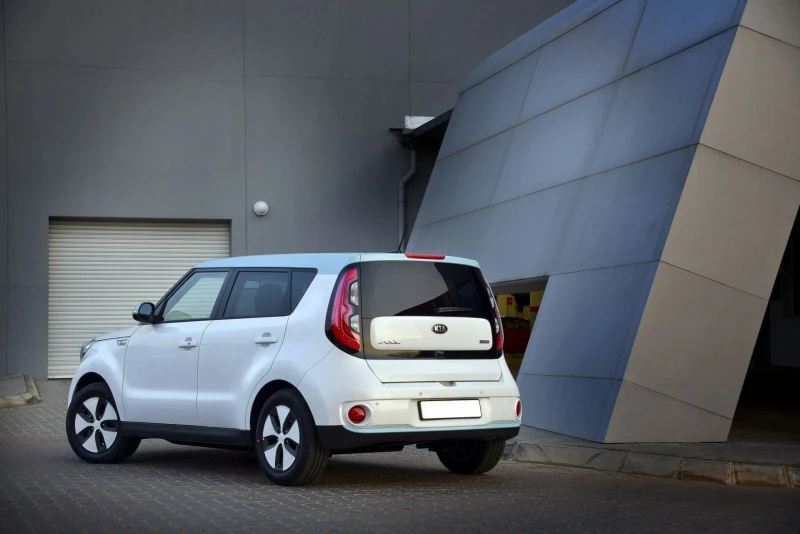
The Kia Soul II is built on a platform with a 101.2-inch wheelbase. This provided noticeably more interior space compared to the previous generation while keeping compact exterior dimensions. Ground clearance of 5.9 inches is an optimal compromise for U.S. conditions: the car confidently handles speed bumps, rural roads, and light off-road without risking scraping the underbody. Dimensions remained virtually unchanged throughout the model’s life cycle, including the 2017 facelift.
| Parameter | Value | Note |
| Length, in | 163.0 | Hatchback |
| Width, in | 70.9 | Without mirrors |
| Height, in | 63.0–63.7 | Depending on trim |
| Wheelbase, in | 101.2 | Increase over previous generation |
| Curb weight, lbs | 2,734–3,143 | Depends on engine and equipment |
| Gross vehicle weight, lbs | 3,748–4,012 | Maximum permitted |
| Ground clearance, in | 5.9 | Relevant for American roads |
Low curb weight and optimal body proportions positively affect handling and fuel economy. The model remains maneuverable in tight parking lots and comfortable on the highway.
Changes Within the Generation and Their Impact on the Powertrain
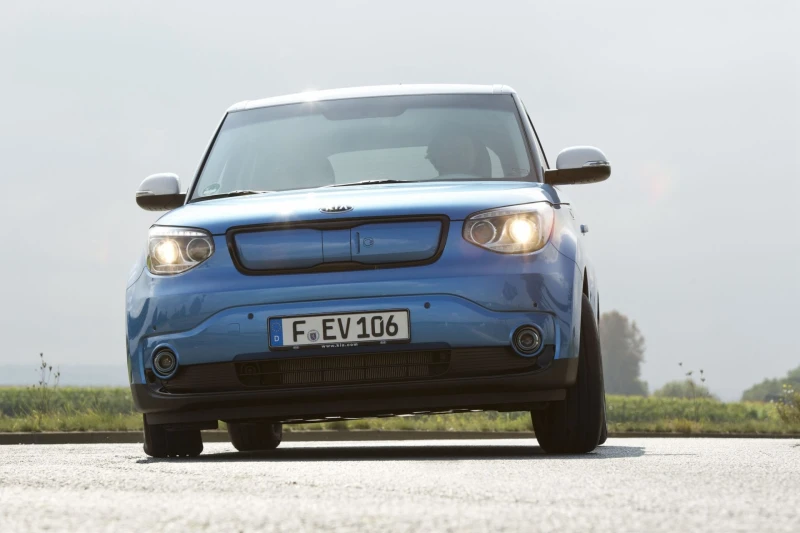
Over five years of production, the Soul PS underwent a facelift in 2017, which mainly affected the exterior and equipment but also included minor calibrations to engines and transmissions for compliance with emissions standards. The powertrain lineup remained practically unchanged — no new engines were added. In the U.S. market, this means that later 2017–2019 examples differ from early ones only by minor improvements in reliability and comfort, while retaining the overall simplicity of the design.
Popular versions today are the 1.6 GDI 130 hp with automatic for city driving and the 2.0 MPI 164 hp with automatic for those who frequently drive on the highway.
Operational Features and Real-World Performance
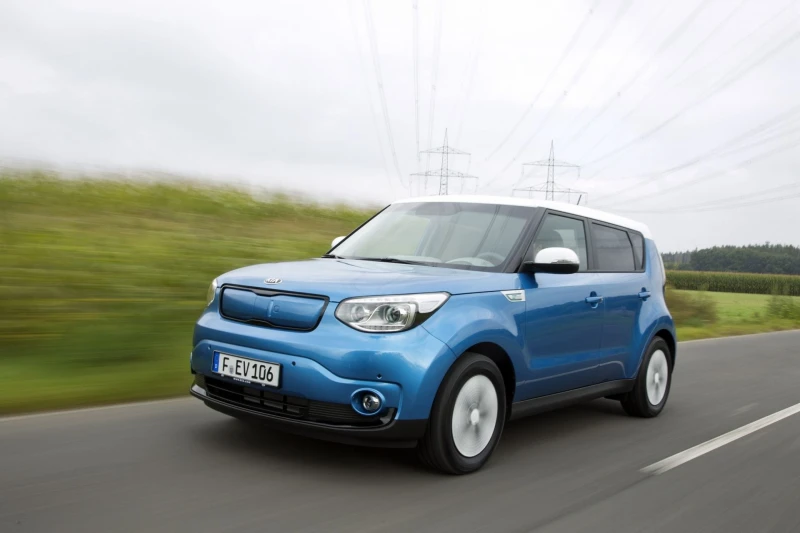
According to data from U.S. listing sites and owner forums, the Soul II engines demonstrate good reliability at mileages up to 125,000 miles and beyond. The key is to follow oil change intervals every 6,000–7,500 miles and use quality regular unleaded fuel. Real-world fuel economy in mixed driving for the 1.6 GDI is 26–34 mpg, and for the 2.0 MPI it’s 21–29 mpg depending on driving style and load.
Transmissions do not cause widespread complaints with timely servicing. Parts availability is high — both OEM and aftermarket. Repairability is good: engines and transmissions are not “disposable” designs, which is especially important for the U.S. used car market.
Overall, the technical package of the Kia Soul II (PS) offers an optimal balance of price, fuel economy, maintenance, and resale value specifically for American realities. On the 2026 used car market, the model remains relevant thanks to its proven design, which delivers economy and sufficient dynamics for most use cases without unnecessary costs.