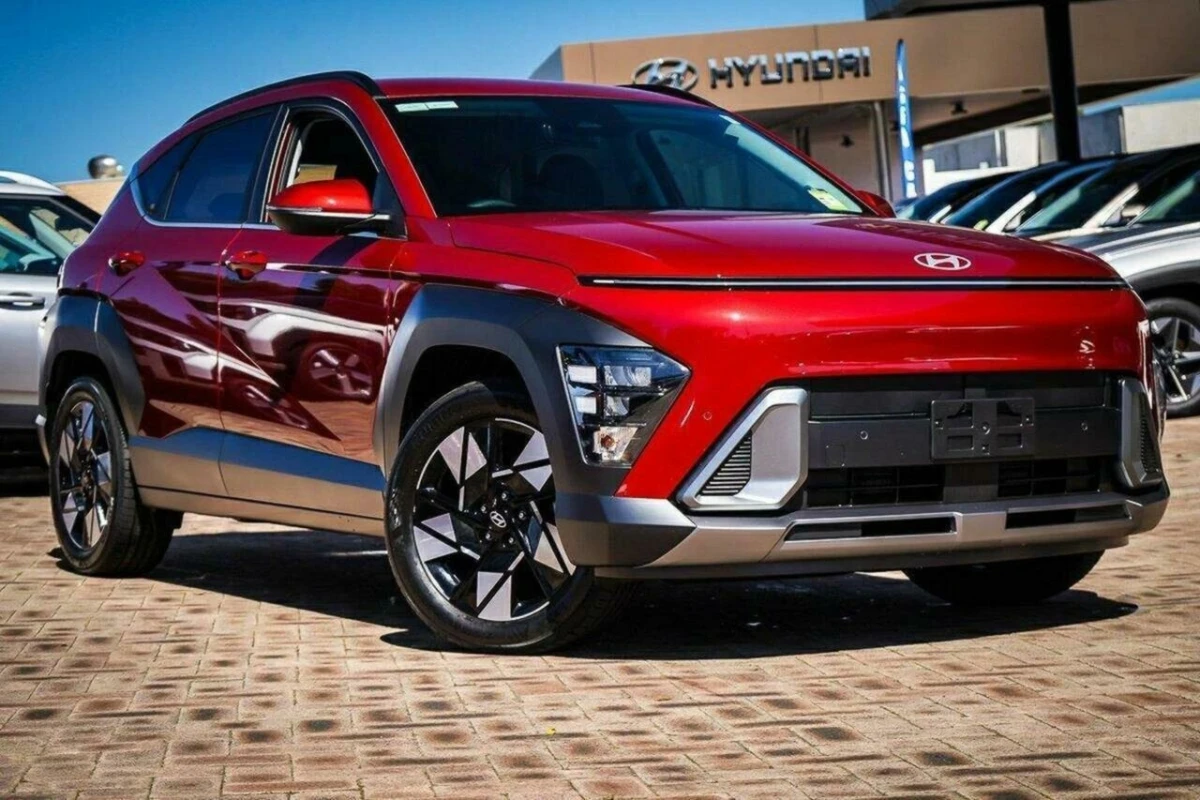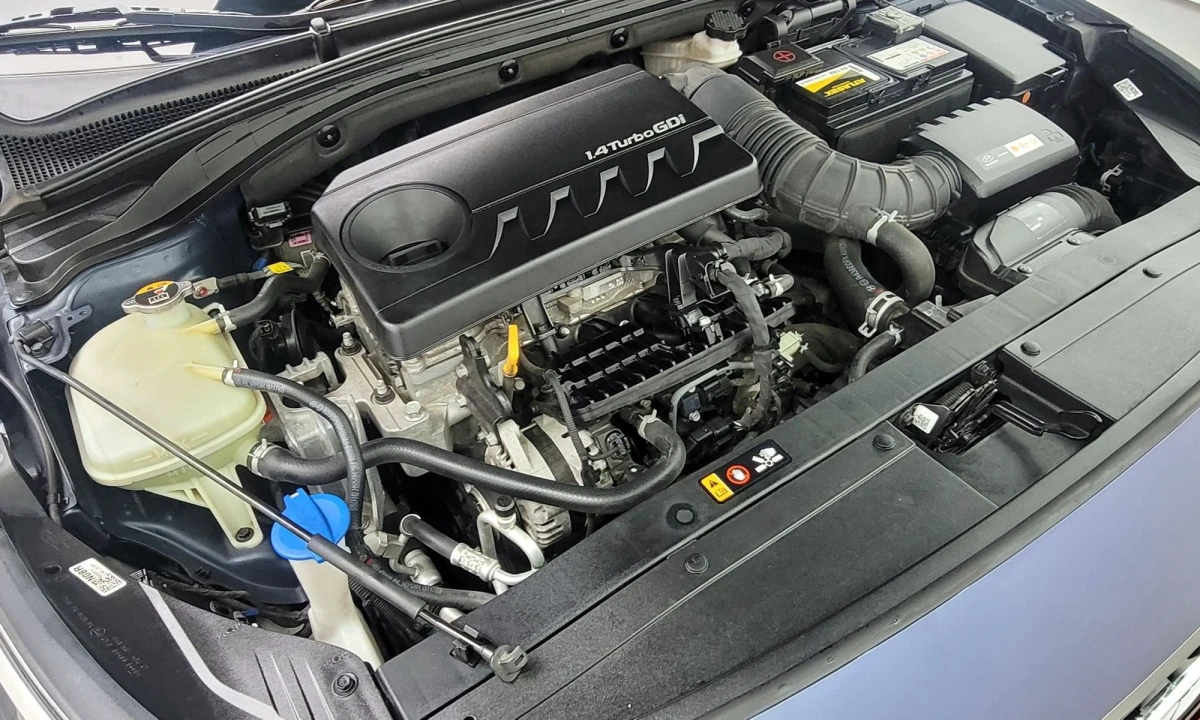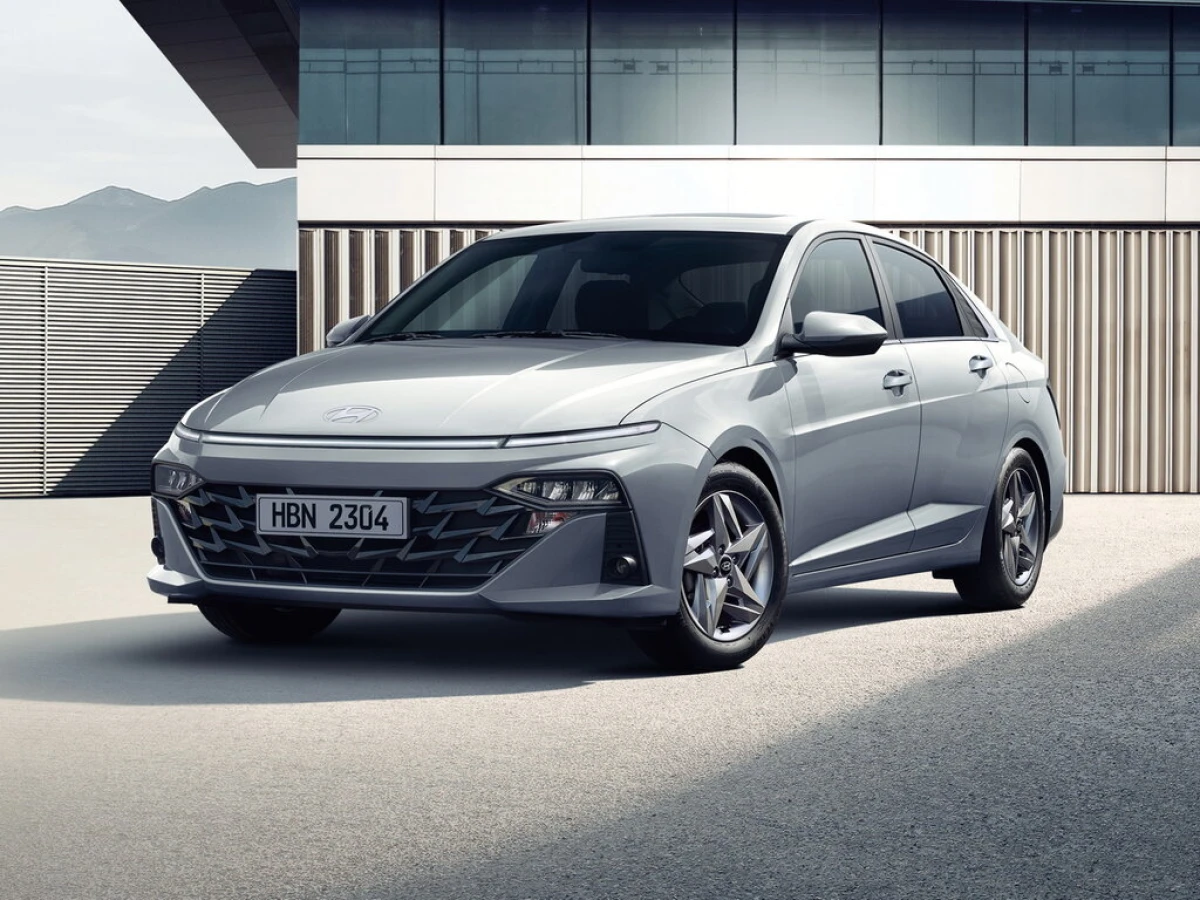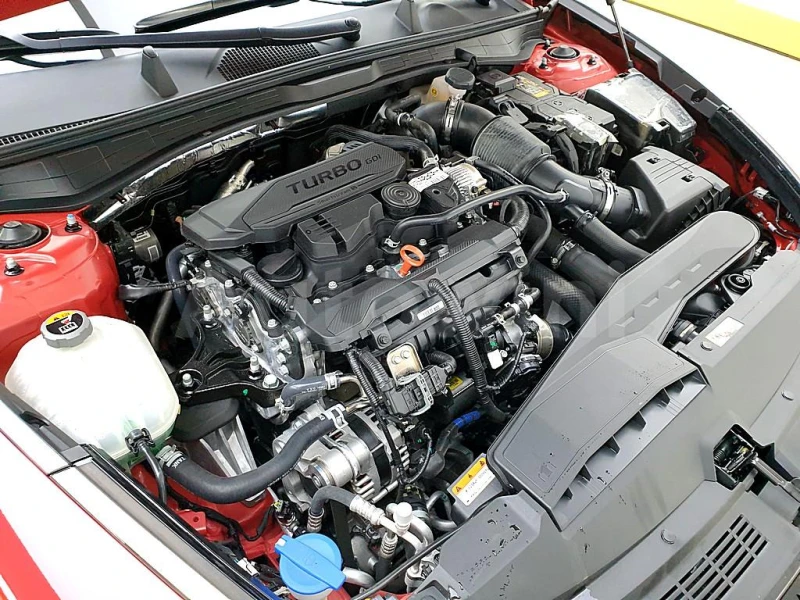
Engines of the Hyundai Sonata 2019–present and the DN8 lineup vary depending on the region, with a strong emphasis on gasoline versions in the US. The American market predominantly offers naturally aspirated and turbocharged Smartstream gasoline engines, while hybrids are widely available and very popular. Diesel powertrains were not offered in this generation for the US. All-wheel drive (AWD) is available on select trims, particularly higher-output versions, unlike many front-wheel-drive-only configurations common in other regions.
Engines and Transmissions
The DN8 generation comes with several powertrain options, but in the US the focus is primarily on the Smartstream family of gasoline engines. Turbocharged versions and hybrids are readily available through official channels. Diesel engines were never mass-offered for this model in the United States. All-wheel drive is standard or optional on certain trims (especially N Line and higher-output 2.5-liter variants), while base models remain front-wheel drive.
Below is a table of the main powertrains available in the 2019–2026 period and commonly found on the US market.
| Engine Type | Displacement, L | Power, hp | Engine Code | Transmission | Drivetrain | Notes / Regional Availability |
| Gasoline naturally aspirated | 2.5 | 191 | Smartstream G2.5 GDi | 8AT | Front | Mainstream version for the US market |
| Gasoline turbo | 1.6 | 180 | Smartstream G1.6 T-GDi | 8AT | Front | Available on select trims |
| Gasoline turbo | 2.5 | 290 | Smartstream G2.5 T-GDi | 8DCT | Front (AWD optional) | N Line; AWD widely available in the US |
| Hybrid | 2.0 | 192 (system) | Smartstream G2.0 GDi HEV | 6AT (hybrid) | Front | Very popular in the US; excellent fuel economy |
The most common powertrain combinations in the US are the 2.5 GDi with 8-speed automatic and the hybrid 2.0 HEV. The N Line 2.5 T-GDi with optional AWD is popular among performance-oriented buyers, especially in large cities like Los Angeles or along highways such as Route 66 and Interstate routes.
Dimensions and Weight
The exterior dimensions and curb weight of the Hyundai Sonata DN8 are largely consistent across versions, with minor variations depending on trim and powertrain. In the US market, ground clearance is typically around 5.3 inches (≈135 mm), with no widespread “high suspension” adaptations. Post-2023–2024 facelift dimensions remained very close to the original.
| Parameter | Value | Notes |
| Length, in (mm) | 192.9–193.3 (4900–4910) | Up to 193.3 in after facelift on some trims |
| Width, in (mm) | 73.2 (1860) | Excluding mirrors |
| Height, in (mm) | 56.9–57.7 (1445–1465) | Depends on suspension and wheels |
| Wheelbase, in (mm) | 111.8 (2840) | Uniform across all versions |
| Curb Weight, lb (kg) | 3120–3380 (1415–1535) | ≈3380 lb for hybrid; ≈3270 lb for 2.5 GDi |
| Gross Vehicle Weight, lb (kg) | 4350–4470 (1975–2030) | Depends on engine and trim |
| Trunk Volume, cu ft (L) | 16.0 (453–510) | Standard for midsize sedan; hybrid slightly less |
| Fuel Tank Capacity, gal (L) | 14.8–15.9 (56–60) | ≈15.9 gal on most gasoline versions |
Average values are typical for most US-market Sonatas equipped with the 2.5 GDi engine and automatic transmission.
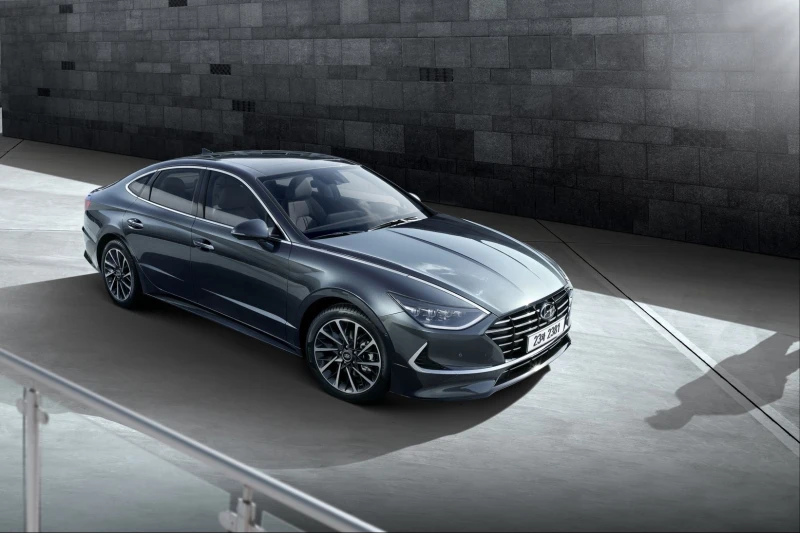
Yearly Updates and Facelift
The DN8 generation remains current. From 2019 to 2022 changes were minor: software updates for infotainment and driver assists, plus slight suspension tuning for improved ride comfort. The 2023–2024 facelift included:
- revised exterior styling with new headlights, taillights and bumpers;
- increased body rigidity and better sound insulation;
- expanded AWD availability on 2.5 T-GDi versions (common in the US);
- broader transmission options, including 8DCT for N Line.
Current 2025–2026 configurations in the US heavily favor the 2.5 GDi with 8AT, the hybrid 2.0 HEV, and the N Line 2.5 T-GDi with optional AWD.
Operating Features and Technical Notes
When buying or driving a Hyundai Sonata DN8 in the US, engine reliability is generally strong. The naturally aspirated 2.5 GDi is considered very dependable with proper maintenance. The hybrid powertrain is praised for excellent longevity and low running costs. The turbo 2.5 T-GDi in the N Line requires premium unleaded fuel (91–93 AKI) and more frequent oil changes (typically 5,000–7,500 miles in severe conditions).
Most popular versions in the US are the 2.5 GDi (191 hp) and the 2.0 HEV hybrid. Approximate fuel economy figures according to EPA ratings:
- 2.5 GDi 8AT — 27–28 mpg city / 37–38 mpg highway / 31–32 mpg combined;
- Hybrid 2.0 HEV — 50–55 mpg combined (city/highway similar);
- N Line 2.5 T-GDi — 23–25 mpg city / 32–34 mpg highway / 27–28 mpg combined.
Transmission notes: the 8-speed automatic is very reliable with fluid changes every 60,000 miles; the 8DCT in the N Line is sportier but more sensitive to aggressive driving in stop-and-go traffic. Drivetrain is front-wheel drive on most trims, with AWD optional on select models — great for varied US weather conditions.
Parts availability is excellent through dealers and aftermarket; costs are average for the class: filters, brakes and routine items are affordable, while major components (turbo, transmission) range from $800–$2,500 depending on the part. Overall serviceability is good — the model is well-known to US technicians.
Summary and Best Choice for the US Market
The best all-around choice for most American buyers is the 2.5 GDi with 8-speed automatic and front- or all-wheel drive. It delivers solid performance, good fuel economy for its class, reasonable maintenance costs, and strong resale value on the used market for 2020–2025 models.
The hybrid version is ideal for high-mileage drivers or those seeking maximum efficiency, especially with current fuel prices. The N Line appeals to enthusiasts wanting sharper handling and more power, though it comes with higher fuel and service costs. When shopping, always verify service history — especially on used examples — and prioritize vehicles with documented maintenance and no major accident damage.
Approximate market price range in the United States (2025): $26,000–$38,000 for most gasoline models; hybrids typically $32,000–$42,000 depending on trim and condition.