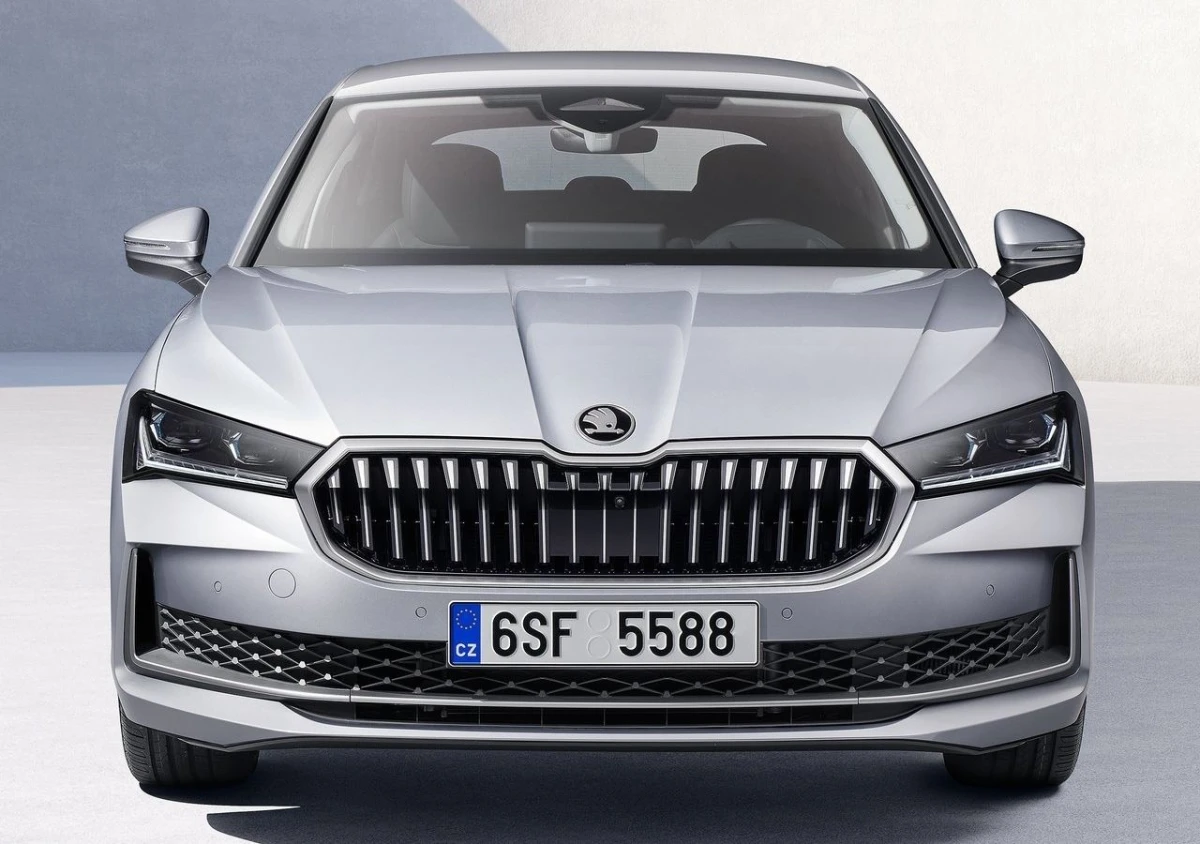



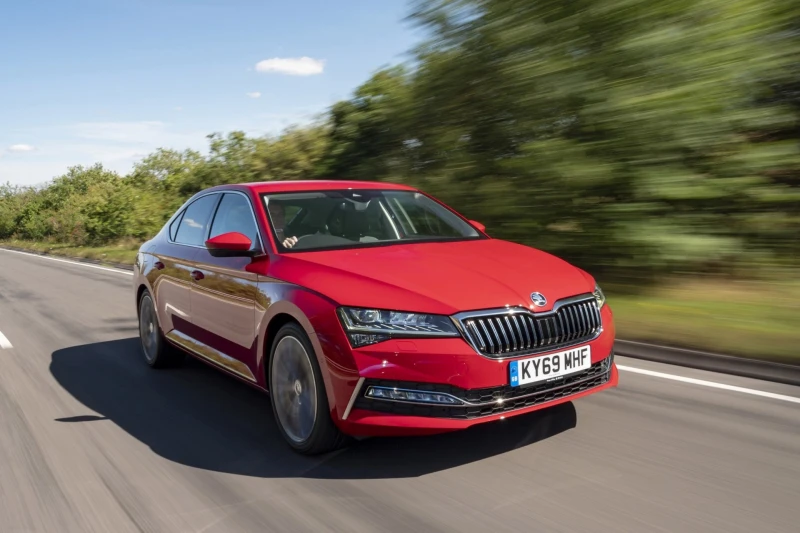
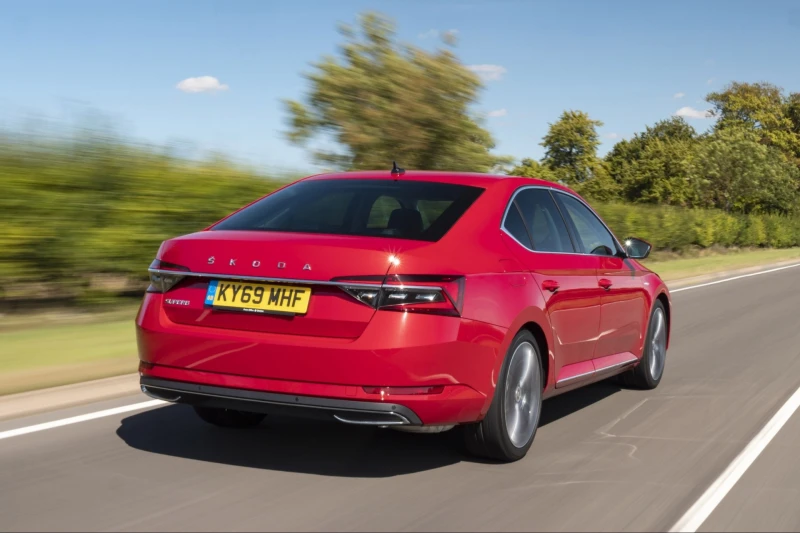
From 2015 to 2023, the Superb delivered a strong combination of Volkswagen Group’s modular MQB construction, proven powertrains and generous proportions that distinguished it from competitors in the large sedan segment. Design, interior and equipment are explored in other articles in this series — here we concentrate on the hardware: engines, transmissions, dimensions and the characteristics that matter for driving in the US.
The MQB platform brought noticeable gains in body rigidity and weight reduction compared to the previous generation on the PQ46 platform. This translated directly into sharper handling, better efficiency and stronger performance. For US drivers who value long-distance comfort, fuel economy on highways and the practicality of a large sedan, the diesel powertrains paired with DSG transmissions became especially relevant — these variants are frequently sought after in the used import market.
Powertrain Lineup: What Was Offered and What You’ll Find Today
Over eight years of production the engine range evolved, but the core units stayed within the EA211, EA888 (gasoline) and EA288 (diesel) families. Gasoline engines emphasize responsive performance while diesels focus on efficiency — particularly valuable for annual mileages of 12,000–18,000 miles on US interstates. In today’s used market the 2.0 TDI 150 and 190 hp versions are the most common, followed by the 1.4/1.5 TSI 150 hp models. The higher-output 2.0 TSI 220–280 hp variants with all-wheel drive appear less often and tend to attract buyers looking for stronger acceleration and confident winter traction.
Transmissions are predominantly DSG dual-clutch units — both “dry” and “wet” versions — with a conventional manual available only on base models. All-wheel drive with the fifth-generation Haldex system was paired exclusively with the top engines and DSG.
| Engine Type | Displacement, L | Power, hp (kW) | Transmission | Drivetrain |
| Gasoline TSI (pre-facelift) | 1.4 | 125 (92) / 150 (110) | 6-MT / 7-DSG (DQ200) | FWD |
| Gasoline TSI (facelift) | 1.5 | 150 (110) | 7-DSG (DQ200) | FWD |
| Gasoline TSI | 1.8 | 180 (132) | 6-MT / 7-DSG | FWD |
| Gasoline TSI | 2.0 | 190 (140) / 220 (162) | 7-DSG (DQ381) | FWD |
| Gasoline TSI | 2.0 | 280 (206) | 6-DSG (DQ500) | AWD (Haldex) |
| Diesel TDI | 1.6 | 120 (88) | 6-MT / 7-DSG | FWD |
| Diesel TDI | 2.0 | 150 (110) | 6-MT / 7-DSG (DQ250) | FWD / AWD |
| Diesel TDI | 2.0 | 190 (140) | 7-DSG (DQ381) | FWD / AWD |
The table shows the most common versions for the European and US import markets. PHEV 1.4 TSI iV plug-in hybrid variants were offered in limited numbers and remain very rare in the US used market.
Dimensions & Weight: Where the Superb Excels Against Rivals
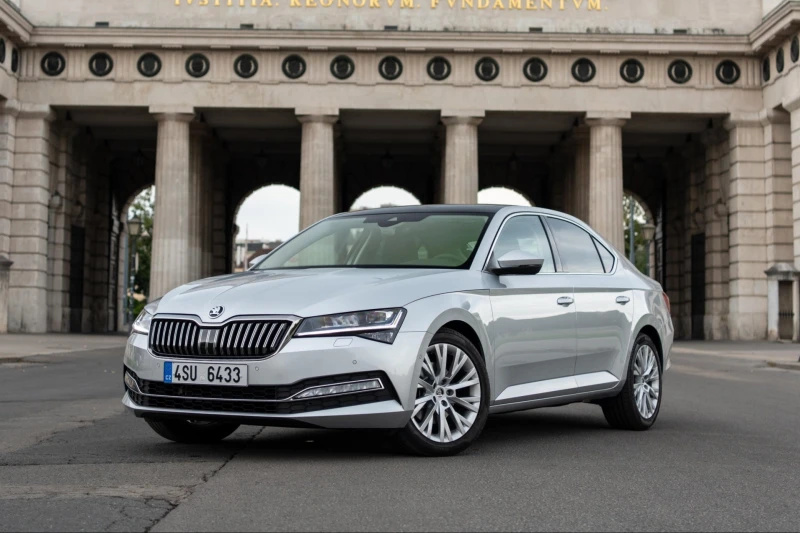
Thanks to the extended MQB wheelbase, the Superb III offers interior space that was previously the preserve of E-segment luxury cars. Exterior dimensions are virtually identical between the liftback and Combi wagon; only height and cargo capacity differ. For American buyers this means genuine family and cargo versatility without having to move to a crossover or SUV.
| Parameter | Value (Liftback) | Notes |
| Length, in | 191.4–191.7 | pre / post 2019 facelift |
| Width, in | 73.4 | without mirrors |
| Height, in | 57.8 | liftback; Combi is ~1.6 in taller |
| Wheelbase, in | 111.9 | same for all versions |
| Curb Weight, lbs | 3,031–3,748 | depends on engine, drivetrain and equipment |
| Gross Vehicle Weight Rating, lbs | 4,233–4,850 | maximum permissible |
| Cargo Volume, cu ft | 22.1 / 62.1 | minimum / with rear seats folded |
Weight varies significantly: the lightest are the front-wheel-drive 1.4/1.5 TSI gasoline models, while the heaviest are the all-wheel-drive 2.0 TSI 280 hp or loaded diesel DSG versions. Ground clearance of roughly 5.9–6.2 inches provides confident composure on US highways and secondary roads even when carrying a full load.
Changes During the Generation: What the 2019 Facelift Brought
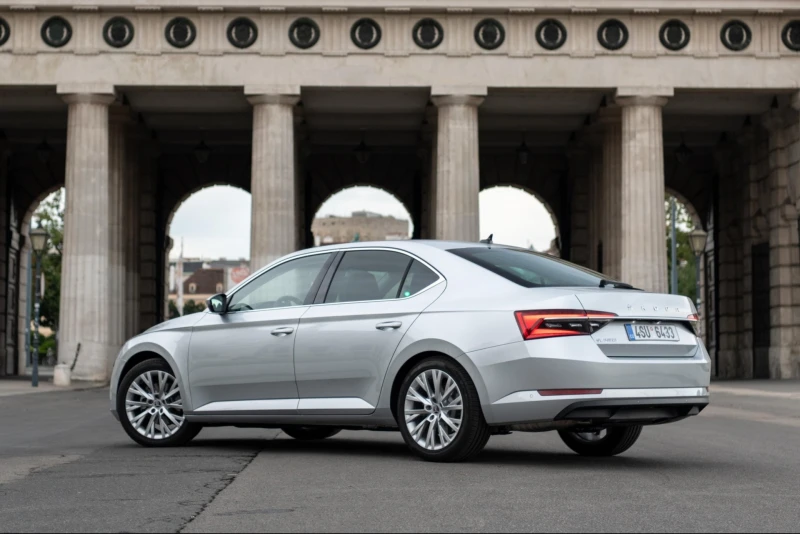
In 2019 the Superb III received a comprehensive update that went beyond styling and lighting to include technical improvements. The 1.4 TSI was replaced by the 1.5 TSI featuring cylinder deactivation (ACT), making the engine slightly more economical and refined. The 2.0 TDI diesels received emissions updates (AdBlue/DEF) while retaining the proven EA288 architecture. In some versions the 2.0 TSI power output rose to 190 hp, and the suite of driver assistance systems was expanded. DSG transmissions benefited from mechatronics refinements for improved durability. Overall the powertrain family became more unified, simplifying maintenance at independent European-car specialists throughout the US.
Ownership Experience: Reliability, Real-World MPG and US Considerations
The engines generally prove durable when serviced according to schedule. The 2.0 TDI (EA288) diesels routinely achieve 186,000–248,000 miles provided quality fuel and timely timing-belt and oil changes are maintained. The main watch points are the diesel particulate filter (DPF) and EGR valve under predominantly short-trip city use. Gasoline 1.4/1.5 TSI units are solid but benefit from timing-chain inspection after 93,000–124,000 miles. EA888 2.0 TSI engines are sensitive to oil quality and can develop consumption issues under aggressive driving.
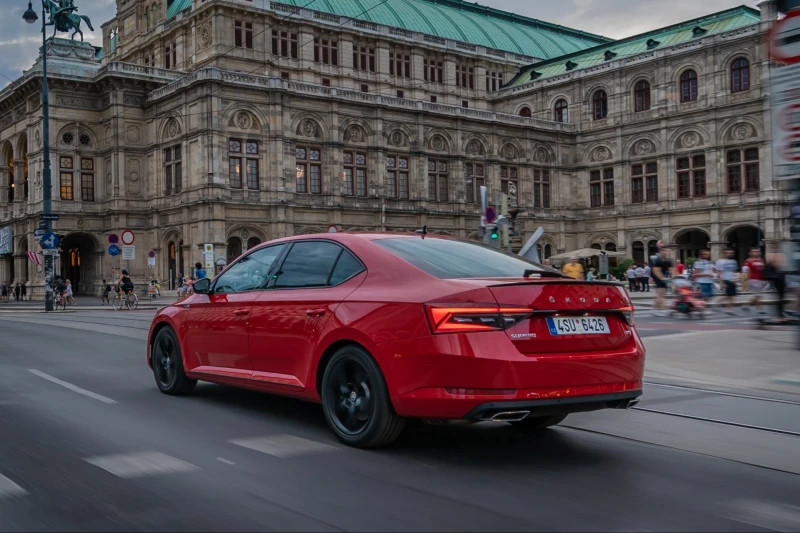
DSG transmissions: the “dry” DQ200 fitted to smaller engines requires fluid changes every 37,000 miles, while the “wet” DQ381/DQ500 units on higher-power versions are best serviced every 50,000–62,000 miles. Many higher-mileage examples in the US have already undergone mechatronics repairs — this is now a routine procedure. The six-speed manual is uncommon and valued for its mechanical simplicity.
Real-world fuel economy reported by owners: 2.0 TDI models deliver 31–39 MPG combined (up to 39–47 MPG on the highway), the 1.5 TSI returns 28–34 MPG, and 2.0 TSI 220+ variants achieve 21–26 MPG. All-wheel drive typically costs an extra 1–2 MPG. Parts are widely available thanks to extensive parts sharing with the VW Passat B8, Golf and Octavia — a significant advantage for US owners. Repairability is excellent; many procedures can be carried out at well-equipped independent shops without factory tooling.
Best Configurations for US Buyers
Taking fuel prices, varied road conditions and the characteristics of the used import market into account, the most well-rounded choices remain the 2.0 TDI 150 or 190 hp with DSG and front-wheel drive. They offer an outstanding balance of performance, efficiency and running costs. Drivers who cover high miles in winter or across diverse regions should consider all-wheel-drive versions. The gasoline 1.5 TSI suits moderate annual mileages and those who appreciate a quieter, more contemporary engine with cylinder shut-off technology.
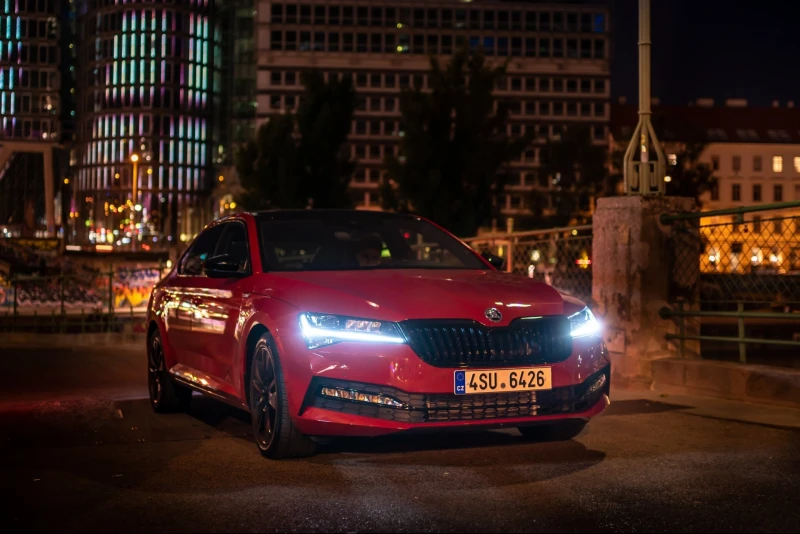
In summary, the technical specification of the Skoda Superb III (3V) 2015–2023 makes it a versatile choice for American driving: spacious, efficient and reliably engineered when selected and maintained with care. Demand in the enthusiast and used-import segment stays healthy, with residual values holding up better than many comparable European sedans.