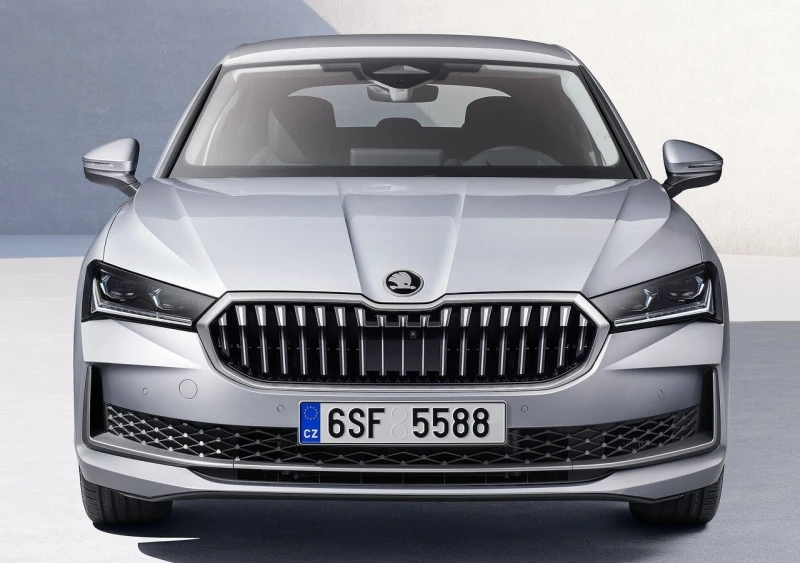
This generation (2023 to the present) stays true to the Skoda Superb’s long-standing philosophy: maximum interior space combined with sensible exterior proportions. Design, interior layout, and equipment levels are explored in other articles in this series. Here, we focus exclusively on the technical aspects — powertrains, transmissions, dimensions, and real-world operating characteristics.
Powertrains: From Mild Hybrid to Plug-in
The Skoda Superb IV engine range is engineered for a balance of performance, efficiency, and compliance with modern emissions standards. Every variant comes exclusively with DSG automatic transmissions; a manual gearbox is not offered. The primary engines are proven Volkswagen Group units from the EA211 evo2 and EA888 families, specifically adapted for the MQB Evo architecture.
The entry point is the 1.5-liter TSI mild hybrid (mHEV). It incorporates a 48-volt starter-generator that assists during acceleration and enables engine-off coasting. Above that sit two 2.0-liter TSI gasoline engines with different power outputs, along with 2.0 TDI diesels. The plug-in hybrid iV is unique in using a 6-speed DSG rather than the 7-speed unit found elsewhere.
In the US market, versions equipped with the 2.0-liter engines — both gasoline and diesel — are the most prevalent. The PHEV iV is available more selectively, mainly in Combi wagon form, which means many examples enter the country through parallel import from Europe.
| Engine Type | Displacement, L | Power, hp (system) | Transmission | Drivetrain |
| 1.5 TSI mHEV (gasoline) | 1.5 | 150 | 7-speed DSG | front-wheel drive |
| 2.0 TSI (gasoline) | 2.0 | 204 | 7-speed DSG | front-wheel drive |
| 2.0 TSI (gasoline) | 2.0 | 265 | 7-speed DSG | all-wheel drive (4x4) |
| 2.0 TDI (diesel) | 2.0 | 150 | 7-speed DSG | front-wheel drive |
| 2.0 TDI (diesel) | 2.0 | 193 | 7-speed DSG | all-wheel drive (4x4) |
| 1.5 TSI PHEV iV (gasoline + electric motor) | 1.5 + electric motor | 204 | 6-speed DSG | front-wheel drive |
In the PHEV iV, the 1.5-liter TSI engine (110 kW) works in tandem with an electric motor integrated into the transmission housing. Total system output reaches 150 kW (204 hp) and 350 Nm (258 lb-ft) of torque. The high-voltage battery has a 25.7 kWh capacity (approximately 19.7 kWh usable) mounted beneath the rear seat, providing more than 62 miles of electric-only range according to WLTP testing. Charging capability includes AC at up to 11 kW and DC fast charging at up to 50 kW.
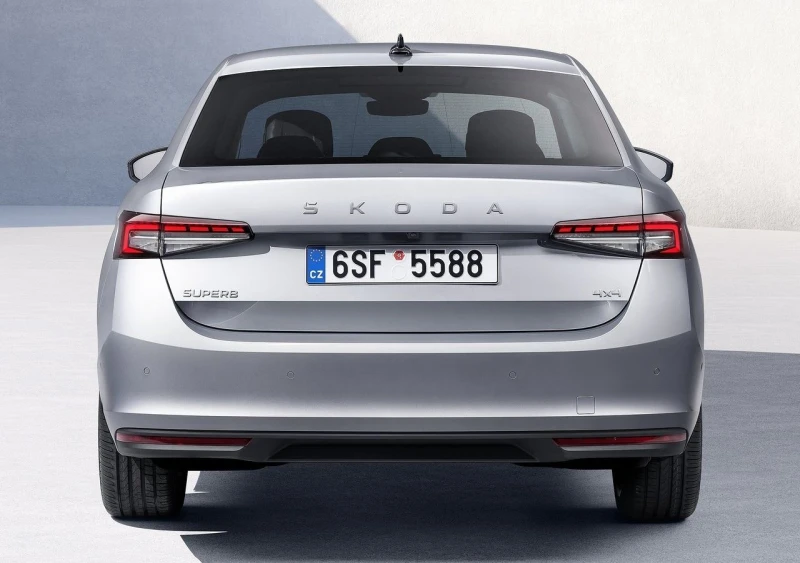
Dimensions and Weight: Evolution Without Compromises
The stretched MQB Evo platform added 1.6–1.7 inches (40–43 mm) to overall body length versus the prior generation while retaining the 111.9-inch (2841 mm) wheelbase. Width was trimmed by about 0.6 inches (15 mm) to improve aerodynamics, and height rose only marginally. The result is enhanced cabin and cargo space without a meaningful increase in mass.
Curb weight varies depending on body style, engine, and drivetrain. PHEV variants are roughly 440–660 lb heavier than comparable gasoline models due to the battery pack. Gross vehicle weight ratings account for a full complement of five passengers plus luggage.
| Body Style | Length, in | Width, in | Height, in | Wheelbase, in | Curb Weight, lb (approx.) | GVWR, lb (approx.) |
| Hatch (liftback) | 193.4 | 72.8 | 58.3 | 111.9 | 3,417–3,858 | 4,630–5,071 |
| Combi (wagon) | 193.0 | 72.8 | 58.3 | 111.9 | 3,483–4,189 | 4,740–5,401 |
| PHEV iV Combi | 193.0 | 72.8 | 58.3 | 111.9 | 4,079–4,299 | 5,291 |
The added length and optimized aerodynamics (Cd as low as 0.23) contribute to excellent high-speed stability, which is welcome on US highways and interstates. Ground clearance remains at 5.4–5.5 inches (138–140 mm) — adequate for the vast majority of paved roads but calling for extra caution on rough or unpaved rural routes.
Changes Within the Generation and Current Versions
Since its introduction in 2023, the Superb IV has undergone only minor updates. Development emphasis has centered on broadening PHEV iV availability: at launch it was offered solely in Combi form, with Hatch versions added later in the cycle. During 2025–2026, information emerged about a higher-output PHEV variant reaching 200 kW (268 hp) system power, yet the standard 204-hp setup continues as the core offering across most markets. The 2.0-liter TDI and TSI engines remained mechanically consistent, with refinements limited mainly to software calibrations and small tweaks for emissions compliance.
Popular configurations in the US feature the 2.0 TDI 193 hp all-wheel-drive and 2.0 TSI 265 hp all-wheel-drive models in Selection, Sportline, and top-tier Laurin & Klement trims. The 1.5-liter variants appear less frequently and are often sourced as parallel imports from Europe.
Real-World Operating Characteristics on US Roads
Engines from the TSI and TDI families have earned a solid reputation for durability when serviced according to schedule. The 1.5 TSI mild hybrid proves particularly frugal in urban environments thanks to cylinder deactivation and brake-energy recuperation. Real-world combined fuel economy reported by owners typically falls in the 29–36 mpg range.
The 2.0-liter TSI engines bring noticeably stronger acceleration, though fuel consumption rises to 24–29 mpg during spirited driving. Diesel-powered 2.0 TDI versions stand out as the most efficient: 34–43 mpg in everyday use according to owner feedback, a significant advantage for high-mileage highway travel. The PHEV iV, when regularly charged, delivers liquid fuel consumption as low as 1.5–2.5 l/100 km (roughly 94–157 MPGe in electric-focused operation); without charging it returns approximately 36–43 mpg on gasoline.
DSG dual-clutch transmissions perform best with periodic fluid refreshes — intervals of around 40,000 miles are commonly recommended. The 7-speed DQ381 and DQ500 gearboxes fitted to all-wheel-drive models are regarded as particularly robust. The Haldex-based all-wheel-drive system operates transparently and provides added traction and composure on wet, snowy, or low-grip surfaces encountered across the US.
Parts availability is strong, encompassing both OEM and quality aftermarket components. Skoda dealership and independent specialist coverage is good in major population centers, and the powertrain components are generally repairable in line with other modern VW Group vehicles. Routine maintenance forms the bulk of ownership costs; for PHEV models, high-voltage battery service is also a consideration (warrantied typically for 8 years or 100,000 miles).
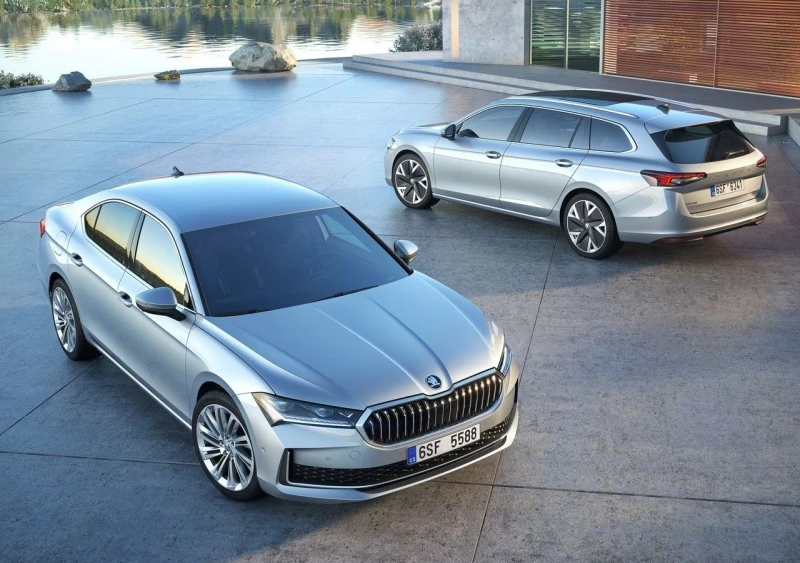
Recommended Configurations for US Buyers
For the majority of buyers, the optimal choice balances purchase price, running costs, and long-term desirability. The 2.0 TDI 193 hp all-wheel-drive variants deliver excellent efficiency for those covering serious distances and provide reassuring capability in challenging weather. The 2.0 TSI 265 hp 4x4 models suit enthusiasts who value strong performance, accepting the trade-off in fuel economy.
The PHEV iV becomes especially attractive when home or workplace charging is available — it meaningfully lowers day-to-day operating expenses for commuting and around-town driving. Its higher mass and more limited factory availability mean it’s best evaluated against individual usage patterns and charging infrastructure access.
Overall, the engineering of the Skoda Superb IV generation translates well to US conditions. Proven engines, refined transmissions, and intelligently proportioned dimensions combine to offer dependable transportation with manageable ownership costs.