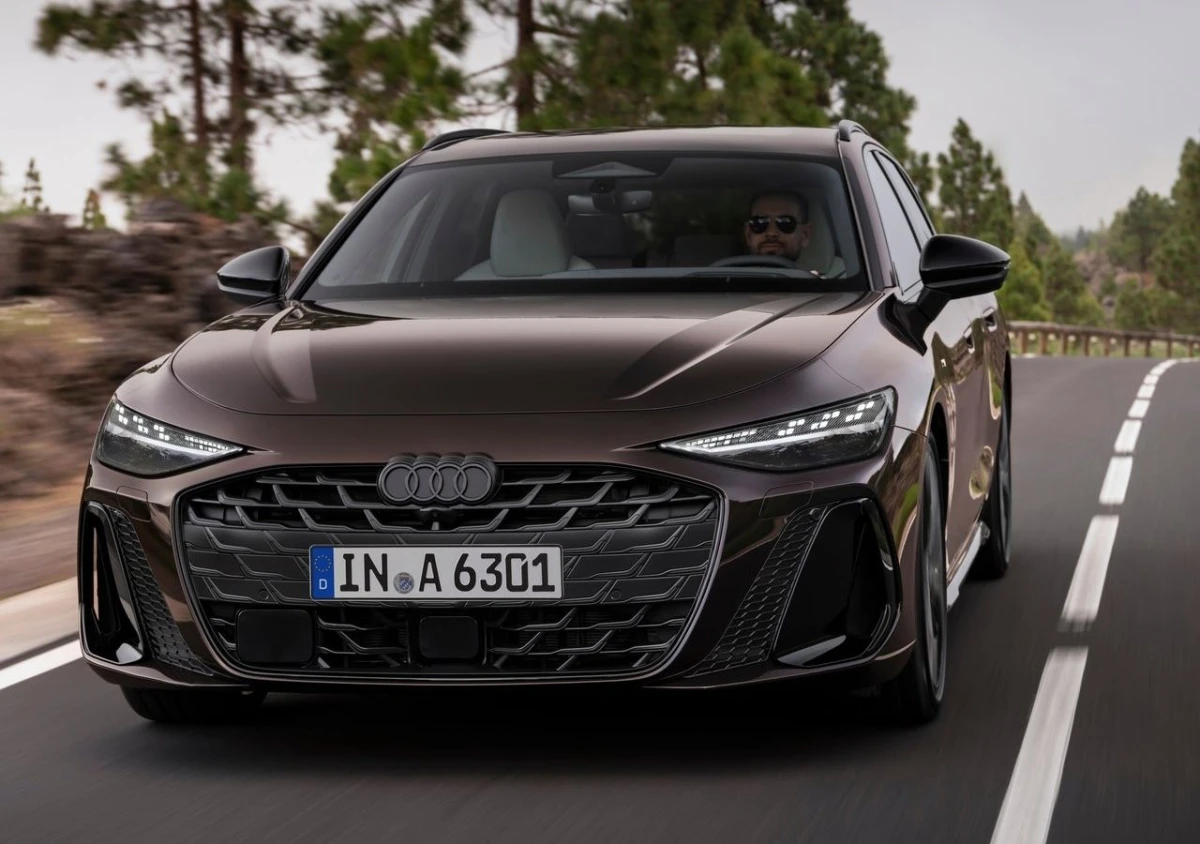



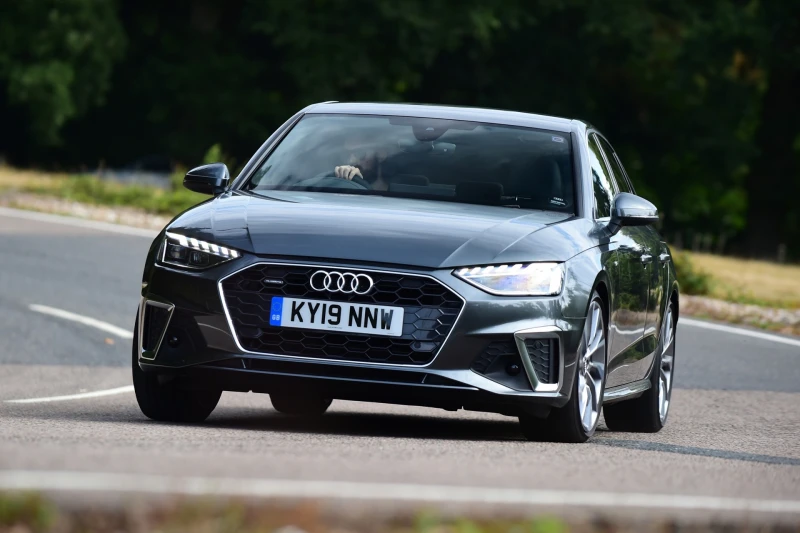
During its run, the B9 received a major global facelift in 2019, which reached U.S. dealerships for the 2020 model year, followed by 12-volt mild-hybrid technology on later versions. In the American used-car market, 2018–2023 examples are especially common, ranging from value-oriented front-wheel-drive sedans to higher-output quattro models and the more practical A4 allroad.
The Audi A4 B9 was engineered around a clear goal: reduce weight by as much as 265 pounds compared with the previous generation while improving body rigidity. The MLB Evo platform retained Audi's longitudinal engine layout and supported quattro Ultra, an efficiency-focused all-wheel-drive system that can disconnect the rear axle when extra traction is not needed. Design, interior features and trim levels are covered elsewhere in this series, so this guide focuses on the specifications that matter most for buying and owning a B9 in the United States.
Powertrain evolution: from conventional turbo power to mild-hybrid assistance
When the B9 arrived in the United States for the 2017 model year, the core engine was a 2.0-liter turbocharged TFSI four-cylinder. Early quattro models produced 252 horsepower, while the front-wheel-drive Ultra version offered 190 horsepower as a more efficient entry point. Output and trim names changed over the years, and by the 2021 model year the lineup had adopted 12-volt mild-hybrid assistance. The later 40 TFSI produced 201 horsepower, while the 45 TFSI delivered 261 horsepower and stronger acceleration.
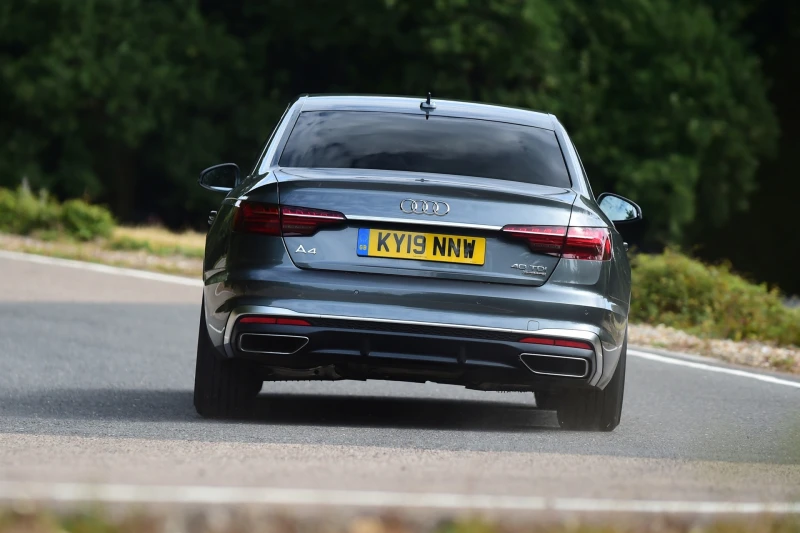
Unlike many European markets, the United States did not receive regular B9 A4 TDI diesel models through official Audi dealers. The local lineup was centered on gasoline-powered 2.0 TFSI engines, typically paired with a seven-speed S tronic dual-clutch transmission. Premium unleaded fuel with a minimum 91 AKI rating is recommended for best performance. Standard Avant wagons were also not officially sold here, making the lifted A4 allroad the main wagon-style choice.
The table below summarizes the powertrains most relevant to U.S.-market buyers. Output can vary slightly by model year and calibration.
| Engine | Displacement | Output | Transmission | Drivetrain |
| 2.0 TFSI Ultra (EA888 Gen.3) | 2.0 liters (1,984 cc) | 190 hp / 236 lb-ft | 7-speed S tronic | Front-wheel drive |
| 2.0 TFSI quattro (EA888 Gen.3) | 2.0 liters (1,984 cc) | 248–252 hp / 273 lb-ft | 7-speed S tronic | quattro all-wheel drive |
| 40 TFSI mild hybrid | 2.0 liters (1,984 cc) | 201 hp / 236 lb-ft | 7-speed S tronic | quattro all-wheel drive |
| 45 TFSI mild hybrid | 2.0 liters (1,984 cc) | 261 hp / 273 lb-ft | 7-speed S tronic | quattro all-wheel drive |
| S4 3.0 TFSI V6 | 3.0 liters (2,995 cc) | 349 hp / 369 lb-ft | 8-speed Tiptronic automatic | quattro all-wheel drive |
Dimensions and weight: how MLB Evo improved everyday usability
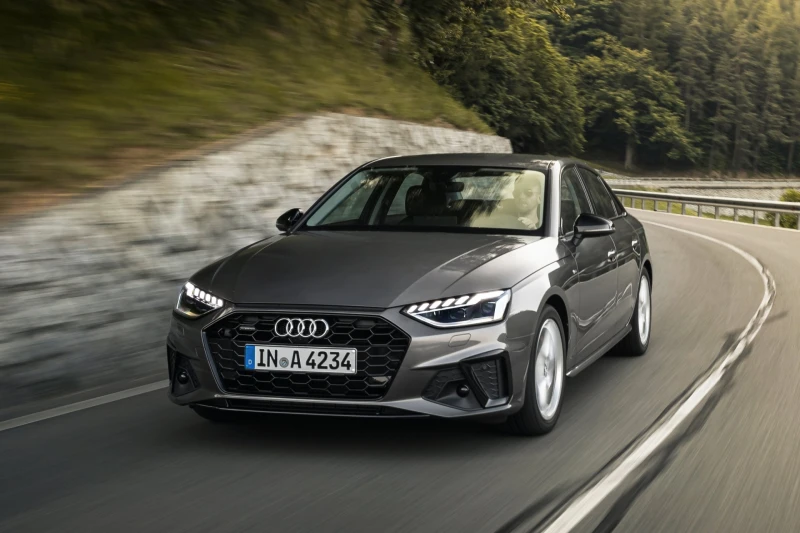
Compared with the B8, the B9 became slightly longer and wider while shedding weight. Its 111.0-inch wheelbase created more rear-seat room and helped the sedan remain competitive in the compact luxury segment. The sedan is the most common body style on the U.S. used market, while the A4 allroad appeals to buyers who want additional cargo flexibility and extra ground clearance for snow, gravel roads and outdoor use. A standard Avant is generally limited to privately imported examples.
Key dimensions below are approximate and vary by model year, trim and equipment.
| Specification | Sedan | Avant (import only) | A4 allroad |
| Length | 186.1–187.5 in | 186.1–187.0 in | About 187.0 in |
| Width | 72.5–72.7 in | 72.5–72.7 in | About 72.7 in |
| Height | 56.2–56.5 in | 56.5–57.1 in | About 58.9 in |
| Wheelbase | 111.0 in | 111.0 in | 111.0 in |
| Curb weight | About 3,175–3,640 lb | About 3,260–3,750 lb | About 3,570–3,925 lb |
| Gross vehicle weight rating | About 4,410–4,850 lb | About 4,520–5,070 lb | About 4,850–5,290 lb |
Aluminum body components and the optimized platform helped keep curb weight under control, even with all-wheel drive. That benefits acceleration, fuel economy and handling on everything from urban streets to long interstate trips. The suspension is tuned more for precision than softness, so wheel size and tire choice have a noticeable effect on ride comfort over potholes and broken pavement.
Ownership considerations and real-world popularity
For American buyers, the most desirable mainstream configurations are usually the 2.0 TFSI quattro models, especially the later 45 TFSI. The EA888 Gen.3 engine is generally durable when serviced correctly, but used-car inspections should pay close attention to the water pump and thermostat housing, PCV system, ignition components, engine mounts and signs of oil or coolant leaks. On higher-mileage cars, carbon buildup and suspension wear can also become relevant.
The seven-speed S tronic benefits from fluid and filter service at roughly 40,000-mile intervals. Skipping this maintenance can lead to expensive mechatronic or clutch-related repairs. quattro Ultra operates automatically and is well suited to wet roads and winter driving, but matching tires and proper fluid maintenance remain essential. Parts availability is strong through Audi dealers and independent European-car specialists, although dealer labor rates, LED lighting, driver-assistance sensors and infotainment components can make accident or electrical repairs costly.
Later mild-hybrid sedans are the efficiency leaders of the U.S. lineup. Depending on model year, output and wheel size, EPA ratings typically fall in the mid-to-high 20s for combined fuel economy, with some versions reaching the low-to-mid 30s on the highway. Real-world results depend heavily on traffic, climate, tire choice and driving style.
What still matters in 2025–2026
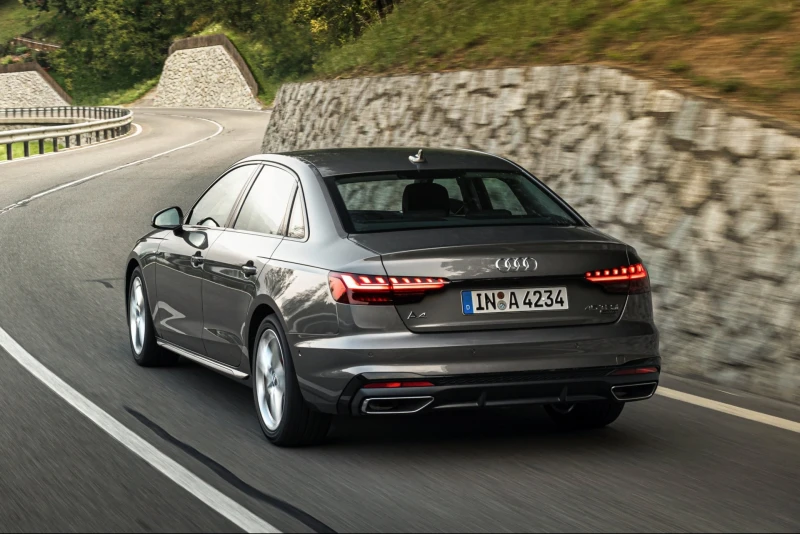
With the B9 generation now established as a used-car choice, 2019–2024 examples attract the most attention. The 45 TFSI quattro sedan offers the strongest balance of performance and everyday usability, while the 40 TFSI is better suited to buyers who prioritize fuel economy and a lower purchase price. The A4 allroad remains the most practical and often the most desirable body style because it combines wagon cargo space with standard all-wheel drive and additional ride height.
Technically, the Audi A4 B9 still feels modern: it has a rigid platform, refined turbocharged engines, a quick dual-clutch transmission and a cabin that continues to feel premium. For many U.S. buyers, a well-maintained 2021-or-newer 45 TFSI quattro is the sweet spot, while earlier 2.0 TFSI models can offer strong value when service history is complete. Choosing between the sedan and allroad comes down to priorities—the sedan is lighter and usually less expensive, while the allroad provides significantly more versatility.
Overall, the fifth-generation A4 earned a reputation as a polished, technically sophisticated compact luxury car. Even a decade after its debut, a carefully inspected B9 remains competitive on the American used-car market.