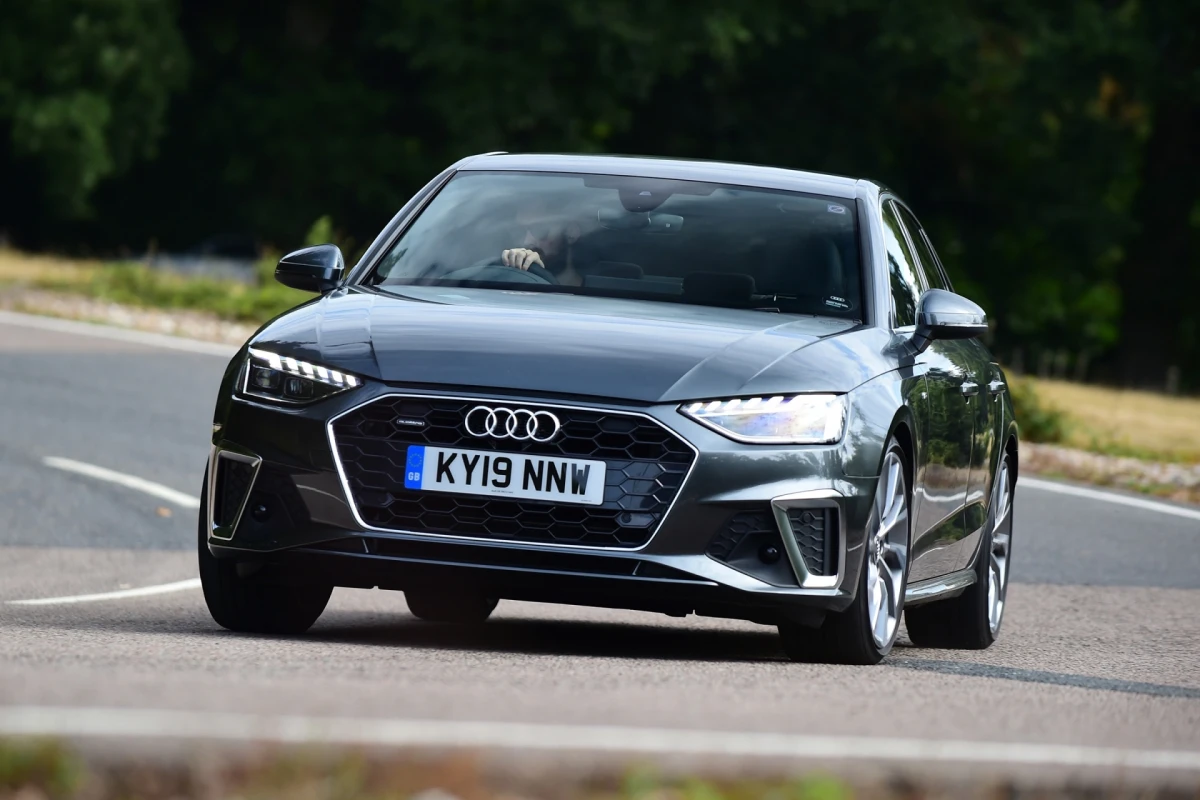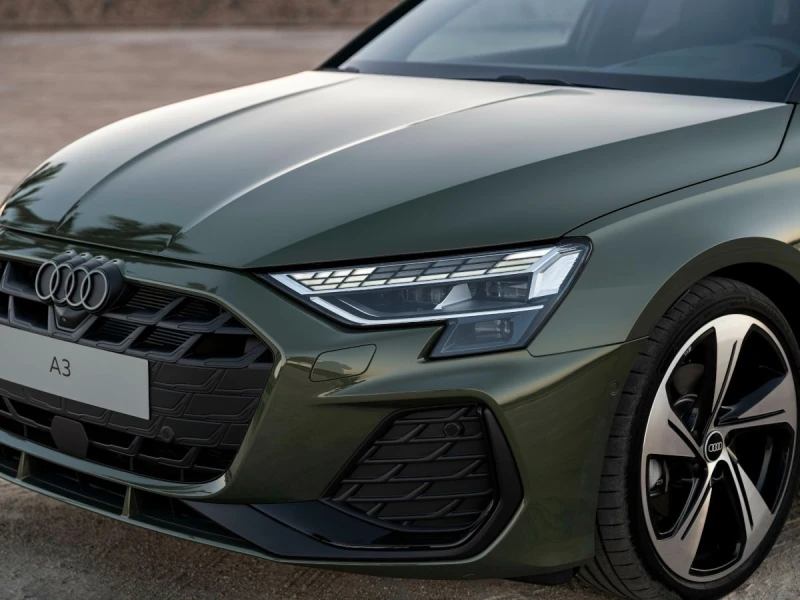
The vehicle is built on the updated version of the modular platform — MQB Evo — which it shares with the current VW Golf VIII, Škoda Octavia IV, and SEAT Leon. In the US market, the model is officially available through Audi dealerships nationwide. While some examples from other regions occasionally appear on the used market, the primary focus for buyers is US-spec vehicles with their specific calibrations. Design, interior, and trim levels are covered in separate articles in the series — here we focus exclusively on the technical side.
Platform and Chassis Updates
MQB Evo is not an entirely new platform but a refined architecture optimized for electrification and an expanded suite of electronic driver assists. For the A3 IV this meant transitioning the gasoline lineup to a 48-volt mild-hybrid system (MHEV) for the smaller engines and a full plug-in hybrid setup for the top TFSI e version. The 2.0 TDI diesel received a twin-dosing system with two AdBlue injectors, helping reduce NOx emissions and meet stringent US emissions standards.
Structurally the suspension remains familiar: MacPherson struts up front. Versions over 150 hp and all quattro models use a multi-link rear suspension, while base front-wheel-drive cars with the 1.0- and 1.5-liter engines use a torsion-beam rear axle. Steering uses an electric power assist system; progressive variable-ratio steering is available on higher trims.
Engine and Transmission Lineup
It makes sense to begin the powertrain overview with what is offered globally and what US buyers actually encounter. Gasoline TFSI versions dominate most markets: the 35 TFSI (1.5 EA211 evo2) and 30 TFSI (1.0 three-cylinder) represent the high-volume segment, while the 40 TFSI and S3 are more performance-focused but still regularly available. Diesel TDI models are uncommon in the US as Audi shifted strategy away from diesel in this class for the American market. Plug-in hybrids 40/45 TFSI e exist but appeal mainly to buyers who can charge regularly.
Technical specifications of the Audi A3 IV powertrains are summarized in the table below — factory ratings are shown for reference; US models receive their own tuning and emissions calibrations:
| Version | Type | Displacement | Power | Transmission | Drivetrain |
| 30 TFSI | Gasoline, inline-3, turbo, 48V MHEV | 999 cc | 110 hp | 6-speed manual / 7-speed DSG (DQ200) | Front-wheel drive |
| 35 TFSI | Gasoline, inline-4, turbo, 48V MHEV | 1,498 cc | 150 hp | 6-speed manual / 7-speed DSG (DQ200) | Front-wheel drive |
| 40 TFSI | Gasoline, inline-4, turbo | 1,984 cc | 190 hp | 7-speed DSG (DQ381) | quattro all-wheel drive |
| S3 | Gasoline, inline-4, turbo | 1,984 cc | 310–333 hp | 7-speed DSG (DQ381) | quattro all-wheel drive |
| 30 TDI | Diesel, inline-4, turbo | 1,968 cc | 116 hp | 6-speed manual / 7-speed DSG | Front-wheel drive |
| 35 TDI | Diesel, inline-4, turbo, twin-dosing | 1,968 cc | 150 hp | 7-speed DSG (DQ381) | Front-wheel drive |
| 40 TFSI e | Gasoline 1.4 + electric motor (PHEV) | 1,395 cc + electric | 204 hp combined | 6-speed DSG (DQ400e) | Front-wheel drive |
| 45 TFSI e | Gasoline 1.4 + electric motor (PHEV) | 1,395 cc + electric | 245 hp combined | 6-speed DSG (DQ400e) | Front-wheel drive |
In 2024 the range received a facelift: visual changes were accompanied by technical updates — higher-output TFSI e versions gained a larger traction battery (approx. 25.7 kWh gross) and significantly improved electric range. For US buyers this is the current state of the art, though the majority of 8Y A3s currently available are from the 2020–2023 pre-facelift period.
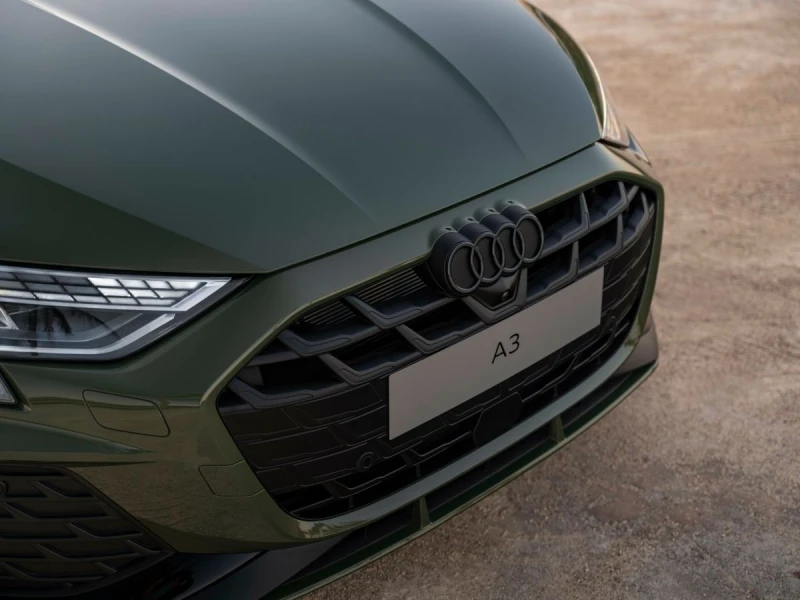
Dimensions and Weight Specifications
Compared with the previous 8V generation, the 8Y grew modestly: length increased by roughly 1.2 inches (30 mm), width by about 1.2 inches (30 mm), while the wheelbase stayed nearly the same. This kept the car in the compact premium class while adding a little more rear space and cargo room (15.0 cu ft / 380 liters in the Sportback). In the US the five-door Sportback remains the dominant body style; the sedan is less common but available in select configurations.
| Parameter | A3 Sportback | A3 Sedan | S3 Sportback / Sedan |
| Length | 171.0 in (4343 mm) | 177.0 in (4495 mm) | 171.0 / 177.0 in | Width (without mirrors) | 71.5 in (1816 mm) | 71.5 in (1816 mm) | 71.5 in |
| Height | 56.3–57.1 in (1430–1450 mm) | 56.1 in (1425 mm) | 55.5 / 55.3 in |
| Wheelbase | 103.8 in (2636 mm) | 103.8 in (2636 mm) | 103.5–103.8 in |
| Curb Weight | 2,822–3,285 lbs (1280–1490 kg) | 2,888–3,307 lbs (1310–1500 kg) | ~3,406–3,472 lbs |
| Gross Vehicle Weight | 3,968–4,321 lbs (1800–1960 kg) | 4,034–4,365 lbs (1830–1980 kg) | 4,431–4,497 lbs |
| Drivetrain / Transmission (typical) | FWD, 7-speed DSG / 6-speed manual | FWD, 7-speed DSG | quattro AWD, 7-speed DSG |
Transmission and Drivetrain Details
The dual-clutch transmission deserves special attention because it is often the most critical component on any modern Audi built on the MQB platform. Lower-powered versions (30 TFSI and 35 TFSI) use the “dry” 7-speed DSG DQ200. By the time it reached the 8Y the mechatronics software and clutch materials had been significantly refined, yet in heavy urban stop-and-go traffic the dry clutches still wear faster than wet-clutch units. This is worth factoring into any used-car inspection.
Models from 40 TFSI upward and the 35 TDI use the more robust “wet” DQ381 dual-clutch transmission. It handles higher torque better and is more suitable for enthusiastic driving. On the S3 the same basic gearbox with strengthened internals is paired with quattro all-wheel drive using a fifth-generation Haldex clutch. The system is on-demand — under normal conditions the car drives like a front-driver, with the clutch sending torque rearward only when slip is detected or during hard acceleration.
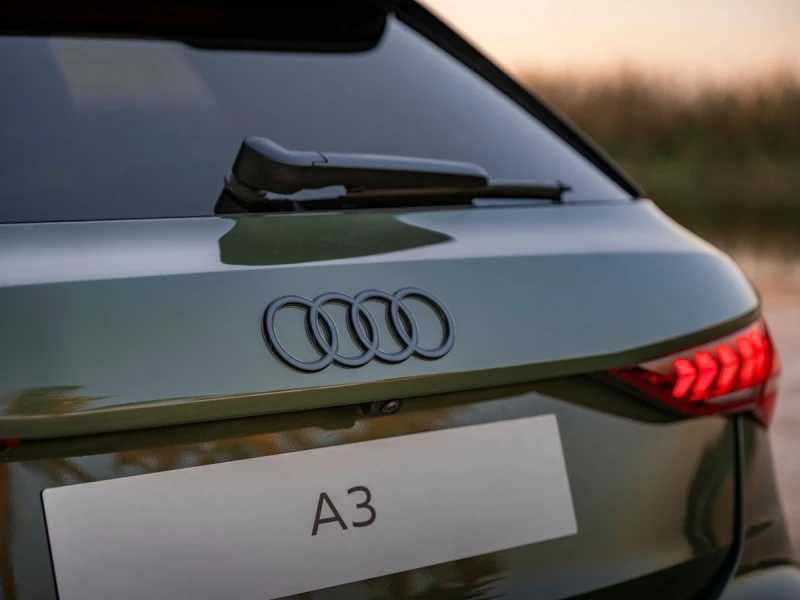
Real-World Ownership Experience in the US
From a practical US ownership standpoint the picture for the 2020–present Audi A3 looks like this. The 1.5 TFSI (35 TFSI) became one of the most common engines in many markets. The EA211 evo2 with cylinder deactivation (ACT+) offers balanced performance and good efficiency. US owner reports and instrumented tests typically show combined fuel economy in the 31–37 MPG range, with city driving around 26–29 MPG. Known sensitivities include fuel quality — Audi recommends premium unleaded gasoline (91 AKI or higher) — and occasional cylinder-deactivation quirks on early cars.
The three-cylinder 1.0 TFSI (30 TFSI) is a frugal urban option: owners commonly report 36–43 MPG combined. However, the modest power and three-cylinder vibration (especially noticeable on cold starts) make it less comfortable for extended highway runs than the 1.5-liter.
The 2.0 TDI diesel is a different proposition. Where encountered, real-world highway fuel economy reaches 43–50 MPG. The engine delivers strong low-end torque and excellent longevity with proper care. In US conditions the twin-dosing system requires consistent DEF/AdBlue use, the diesel particulate filter can be sensitive to short trips, and fuel-system repairs can become a significant expense. On the plus side, it excels during long interstate drives.
Plug-in hybrids 40/45 TFSI e make the most sense for drivers who have reliable access to charging at home or work. Without regular charging the added battery and electric-motor weight largely cancels the efficiency gains. High-voltage battery and power-electronics parts are available through Audi’s dealer network, with service concentrated at larger metropolitan dealerships and specialized centers.
Parts, Serviceability, and Maintenance
Because the 8Y shares the majority of its mechanical components with the Golf VIII and Octavia IV, many wear items and suspension parts are interchangeable. This simplifies ownership: consumables are widely available in both genuine Audi and quality aftermarket form. Body panels carry a premium price because of the brand’s positioning. The electronics — Virtual Cockpit, MIB3 infotainment, and numerous control modules — require professional diagnostic equipment. Coding and adaptations are best performed by technicians with current VAG-compatible tools, standard equipment at Audi dealerships and many independent specialists across the United States.
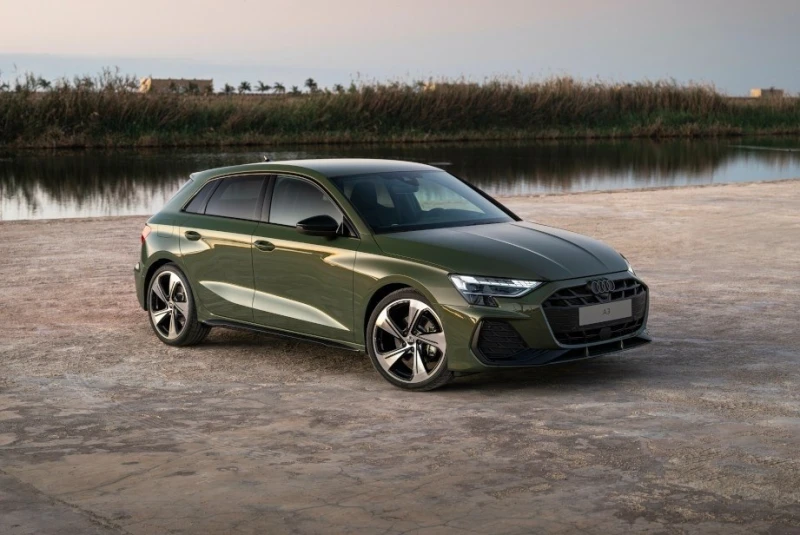
Which Version Makes Sense for US Buyers?
When balancing purchase price, fuel costs, maintenance predictability, and resale value on the US used market, the 35 TFSI Sportback with 7-speed DSG and front-wheel drive stands out as one of the most rational choices. It delivers a strong compromise between performance, efficiency, and predictable ownership costs while offering the widest selection of available examples.
For drivers who log serious miles on interstates, the 2.0 TDI (where available) remains a viable alternative provided you accept potentially higher fuel-system service costs. The 40 TFSI quattro and S3 are more emotional, performance-oriented selections; expect noticeably higher running costs for the wet-clutch DSG, Haldex system, and brakes. The base 30 TFSI is justified mainly for city commuting where minimizing running costs is the top priority.
Overall, the fourth-generation Audi A3 is an evolutionary car rather than a revolutionary one: it carries forward the best attributes of the MQB platform, adds electrification, and meets stricter emissions rules. For US buyers this translates into a broad range of configurations, a transparent service infrastructure, and a clear ownership strategy — provided you select the variant that matches your real driving needs rather than the other way around.