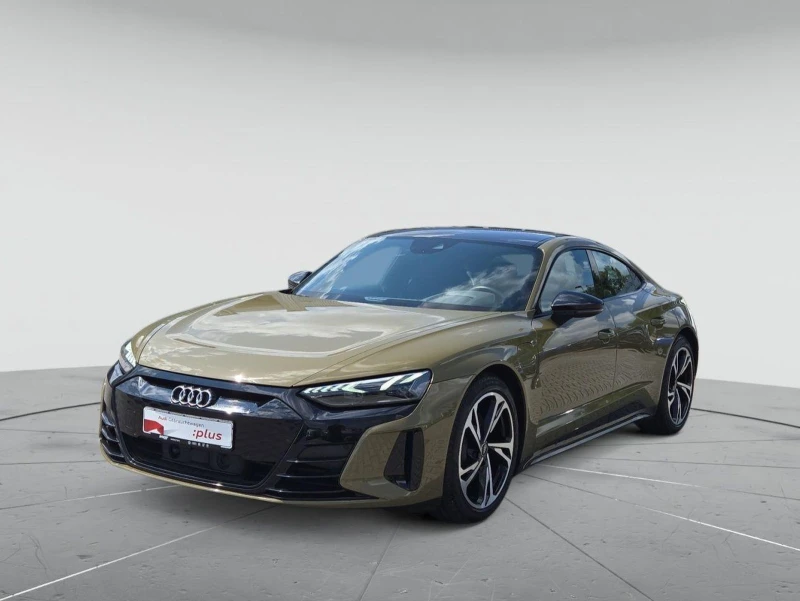
One of the most illustrative examples is the Audi e-tron GT. The electric sports car with around 500 hp, released just a few years ago, is now offered at a price noticeably below one million eurocents, despite its official dealer status and active factory warranties.
From Flagship to Problematic Asset
The Audi e-tron GT was originally conceived as a showcase of the brand's capabilities in the electric grand touring segment. The model features all-wheel drive quattro, an 83.7 kWh battery, and a powerful powertrain that enables acceleration to 100 km/h in less than 5 seconds. On paper, the car appeared as a competitor not only to other electric vehicles but also to classic sports models with internal combustion engines.
However, commercial results have been modest. Sales volumes in Europe remained low, which gradually began to reflect on the used market. While the e-tron GT previously maintained relatively high values, the situation has changed dramatically over the last two years.
Current Prices and Real Examples
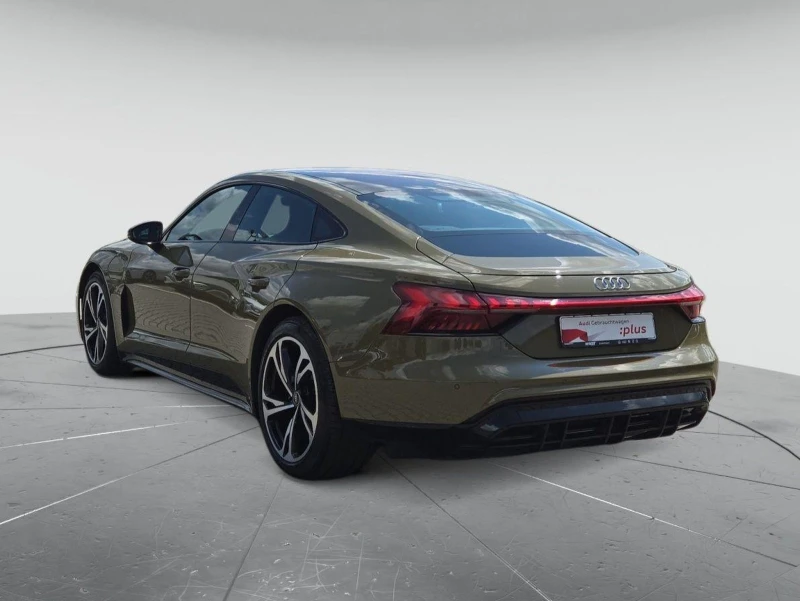
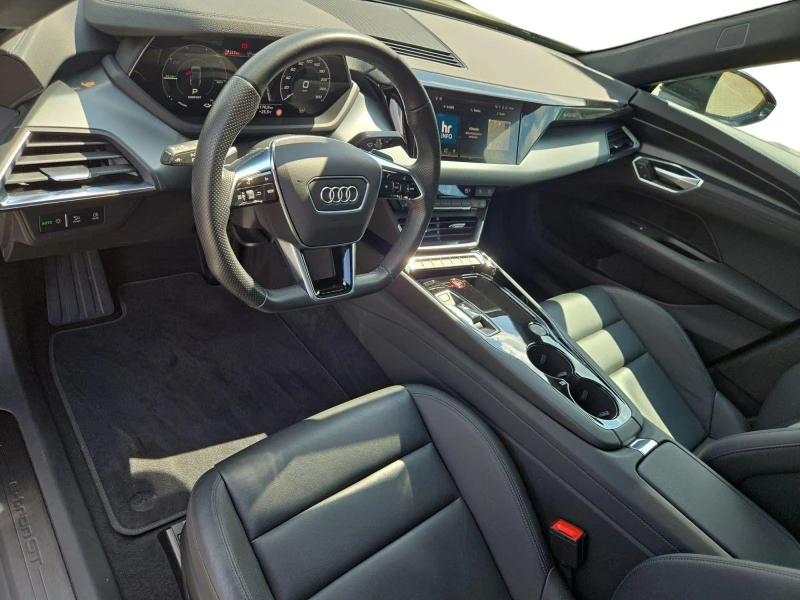
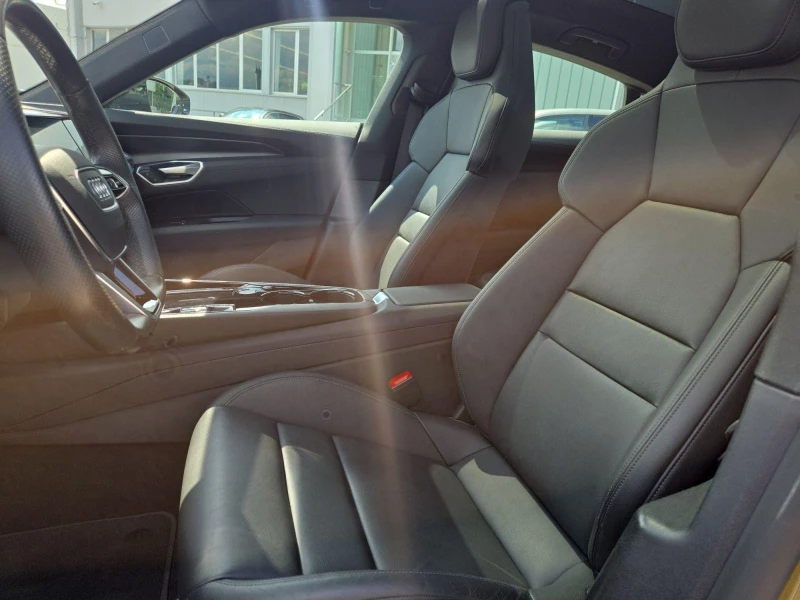
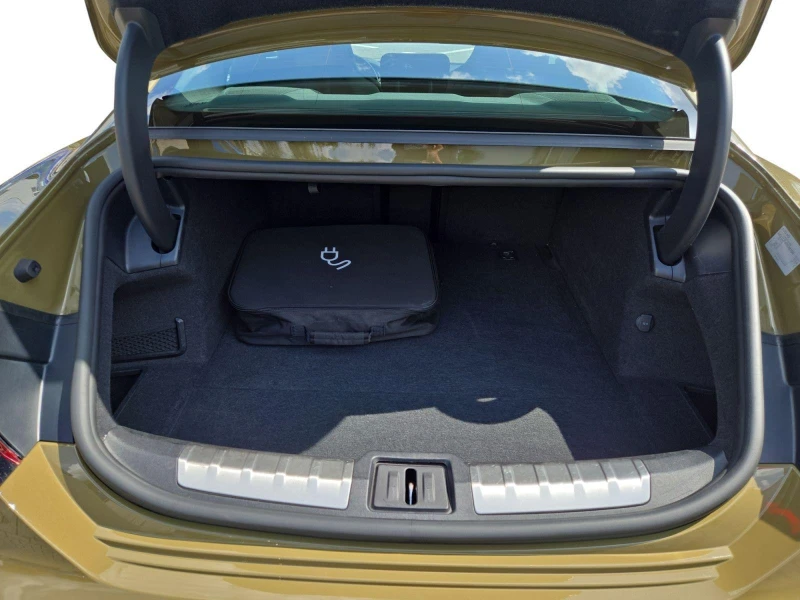
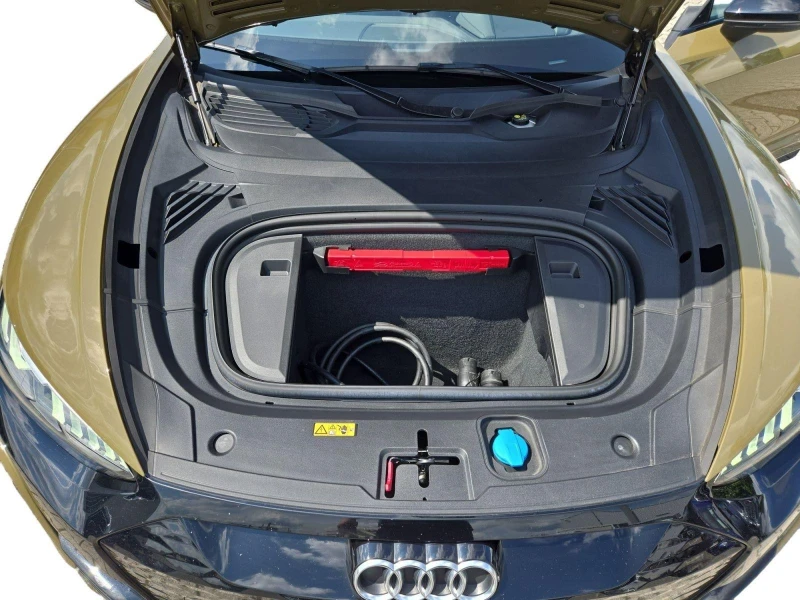
Today, on the European market, a 2022 Audi e-tron GT with around 100,000 km mileage can be found for about 40,000 euros. This refers not to damaged or questionable examples, but to vehicles sold by official dealers with extended warranties and verified service histories. For comparison, the initial price of such a model at launch exceeded 110,000 euros.
Even accounting for mileage and age, the loss in value appears substantial. Meanwhile, new e-tron GT models are still offered at prices that are multiples higher than the used market level.
Technical Limitations in Everyday Operation
One reason for the weak demand is the gap between claimed specifications and real capabilities under sustained load. Modern requirements mandate manufacturers to specify not only peak power but also the power the vehicle can maintain for 30 minutes. In the case of high-power versions of the e-tron GT, this figure is significantly lower than the maximum value.
This means that during aggressive driving or at high speeds, the energy reserve depletes quickly, and the system limits output to preserve battery functionality. For buyers expecting consistent performance, this compromise becomes a significant factor.
Prospects for Residual Value
The current dynamics suggest that the price decline will likely continue, albeit not as rapidly. Electric technologies age quickly, and new models with larger battery capacities and improved characteristics further reduce the appeal of early versions.
Conclusion
The Audi e-tron GT remains a technically complex and impressive vehicle, but its market fate illustrates how unstable the value of electric sports cars can be. The substantial price loss in a short period makes the model a telling example of the risks faced by owners of first-generation high-end electric vehicles.