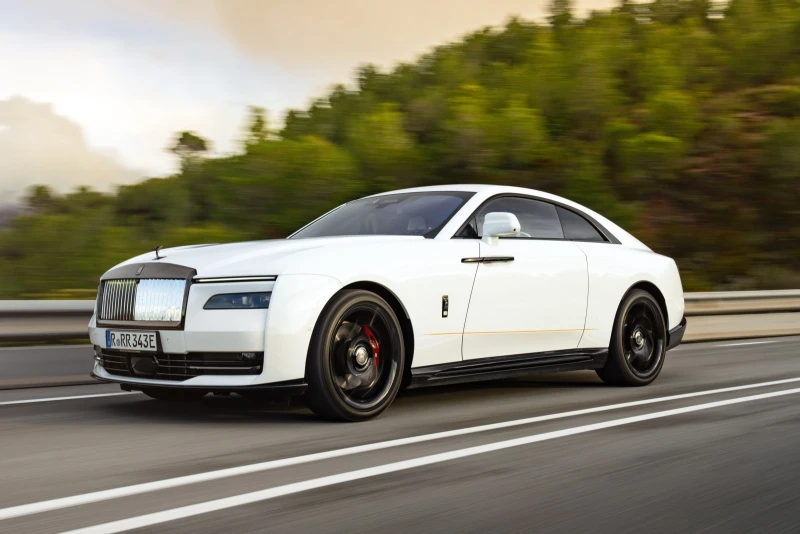
Statements from Rolls-Royce management in early 2026 revealed that demand for the brand’s electric models has not developed as strongly as initially expected, while interest in traditional V12 engines has grown. This dynamic offers a clearer view of the current state of the ultra-luxury segment and the directions it may take in the coming years.
Shifting Demand in the Premium Segment
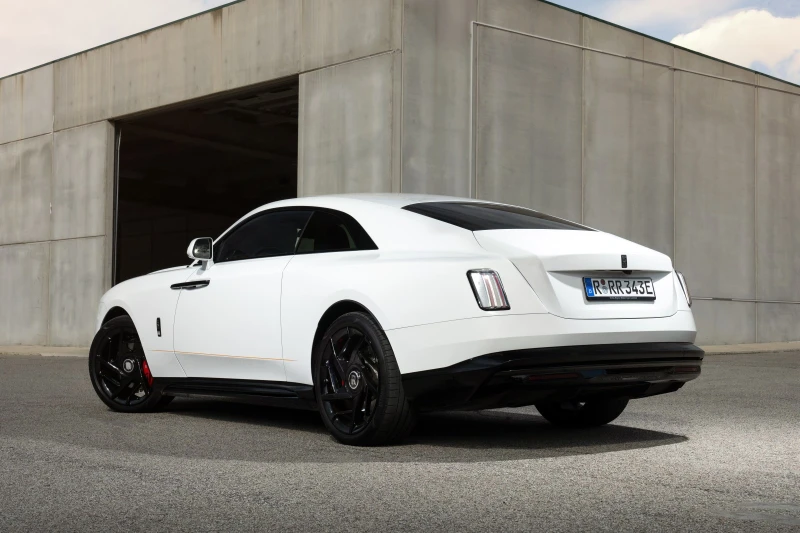
The company’s chief executive confirmed that interest in the brand’s first production electric vehicle proved largely temporary. After an initial launch phase, demand declined noticeably and the model lost momentum. At the same time, customers increasingly favored vehicles equipped with traditional twelve-cylinder engines, which remain a core element of the brand’s identity.
Corporate reporting from the group that owns Rolls-Royce reflects this trend as well. In 2025, deliveries of the electric model fell by nearly half, while overall Rolls-Royce sales continued to show moderate growth. The electric vehicle’s share of total sales dropped from roughly one-third to less than one-fifth.
Why Interest in Electric Vehicles Has Cooled
Rolls-Royce customers tend to use their vehicles differently than buyers of mass-market electric cars. Long-distance driving, sustained high-speed capability, and the character of the powertrain play a central role in the ownership experience. While electric drivetrains offer smoothness and silence, they do not always align with these expectations.
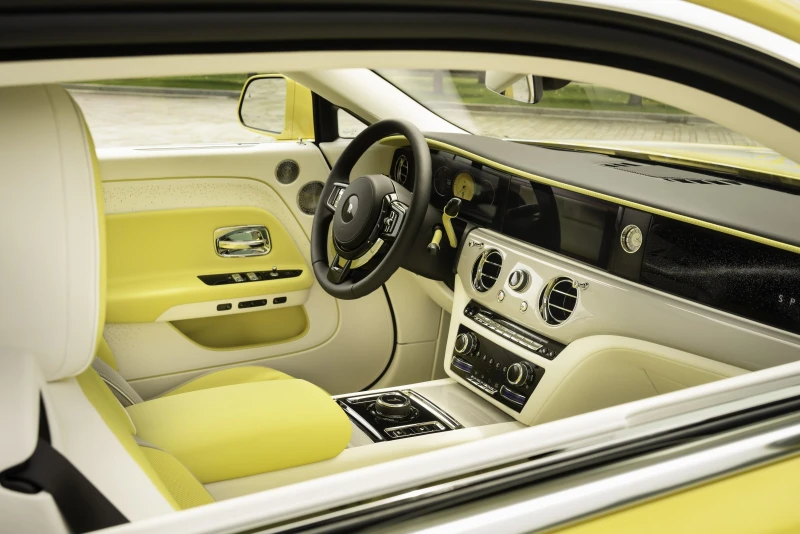
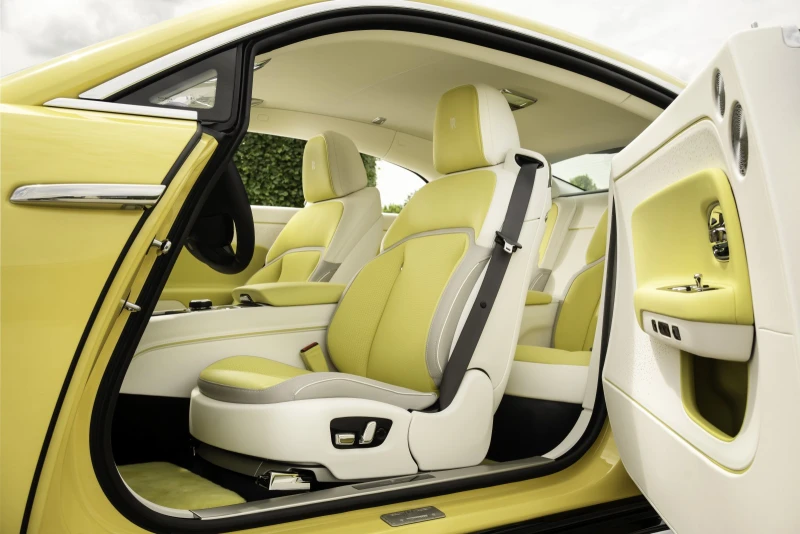
In addition, buyers in this segment frequently commission highly individualized specifications, where the engine itself contributes significantly to the perception of exclusivity. Under such conditions, a universal electric solution can appear less compelling than a classic V12.
Brand Strategy for the Coming Years
Despite the renewed interest in V12-powered models, Rolls-Royce does not intend to abandon electrification. The company plans to expand its electric lineup while continuing to invest in personalized customer engagement. This includes the development of a global network of private offices dedicated to bespoke consultations and order customization.
At the same time, management emphasizes that V12 engines will remain in production for as long as there is sustained demand. This approach allows the brand to avoid committing exclusively to a single type of powertrain.
Conclusion
The current situation demonstrates that electrification is not a universal solution, even within the ultra-luxury segment. Rolls-Royce is observing declining interest in electric vehicles alongside growing demand for V12 models, while maintaining a strategy focused on balance and flexibility. The coming years are likely to define how the brand aligns technological trends with the real expectations of its customers.