


This article examines the key features of the cabin, the most typical equipment levels found on the American used car market, and the major changes made during the production run.
Overall Cabin Overview
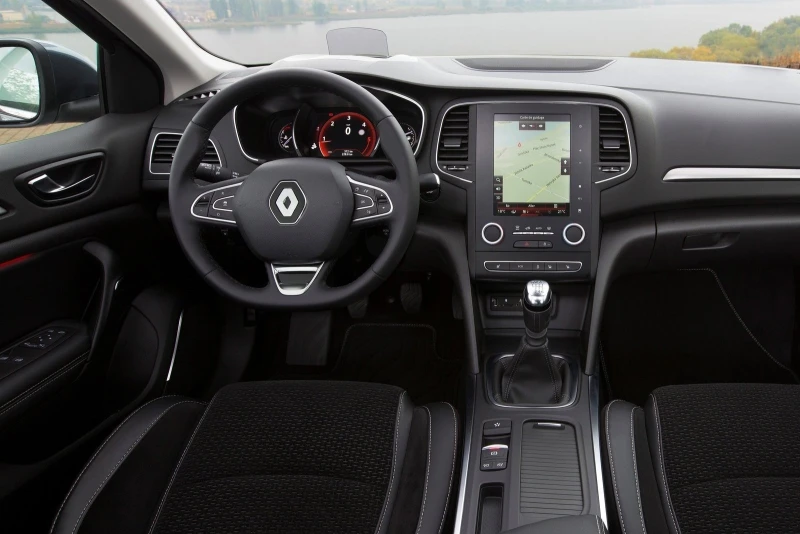
The defining element of the Renault Megane IV interior is the vertically-oriented touchscreen of the R-Link 2 infotainment system (later upgraded to R-Link 3), which visually dominates the center console. Even years after launch, this design still feels modern and purposeful.
Most trims feature a combination of soft-touch plastic on the upper dashboard, hard plastic in lower areas, and piano black or aluminum-style trim accents. Build quality is generally very good for the compact class, with tight panel gaps, though hard plastics on door cards and lower console areas become noticeable upon close inspection.
Driver ergonomics are well thought out: all primary controls fall easily to hand, the steering wheel offers generous reach and rake adjustment, and the seats provide adequate lateral support (particularly in GT Line and higher specifications).
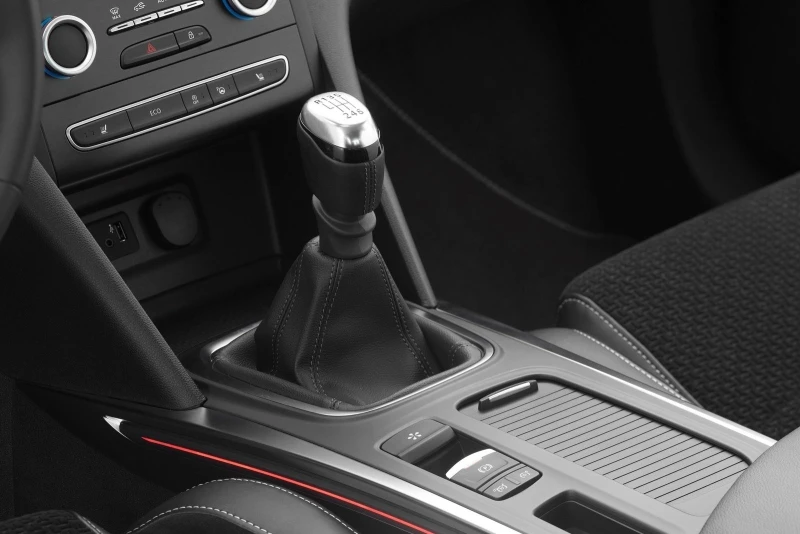
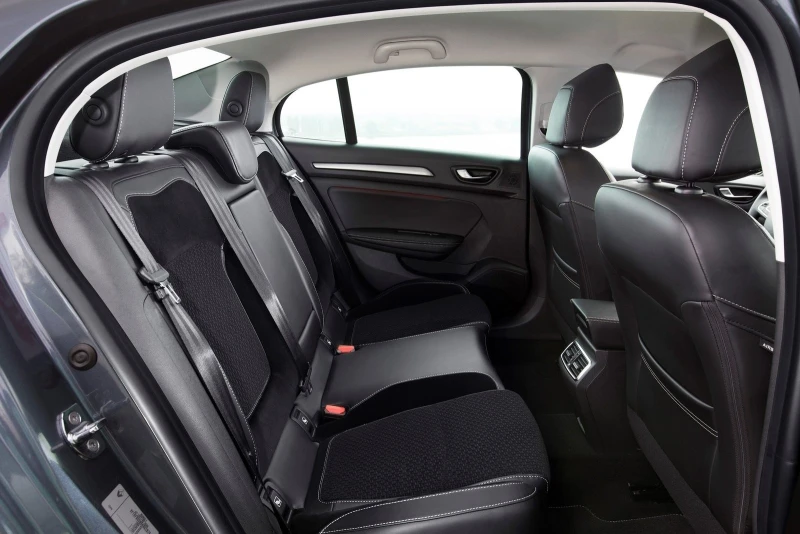
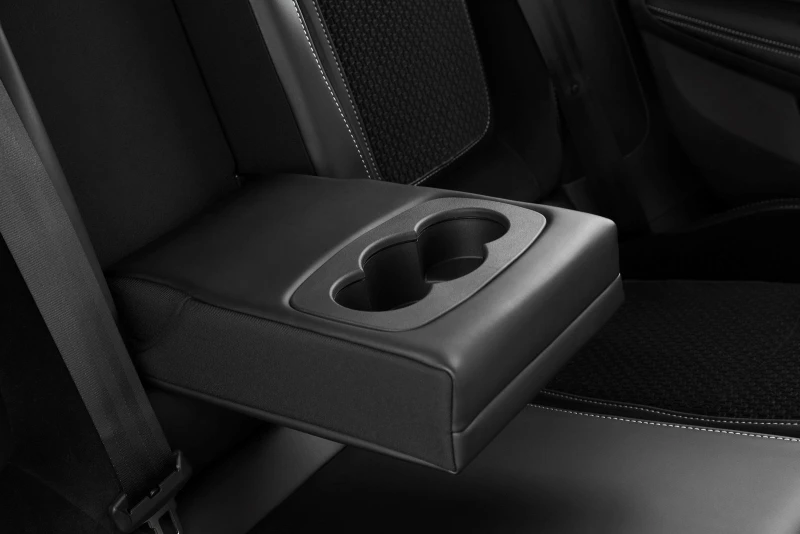
Front seats are comfortable for long-distance driving with sufficient adjustment range. The rear seat is realistically suited for two average-height adults — passengers over 6'1" (185 cm) will find knee room quite tight. The center tunnel is moderately high, making the middle rear position noticeably less comfortable.
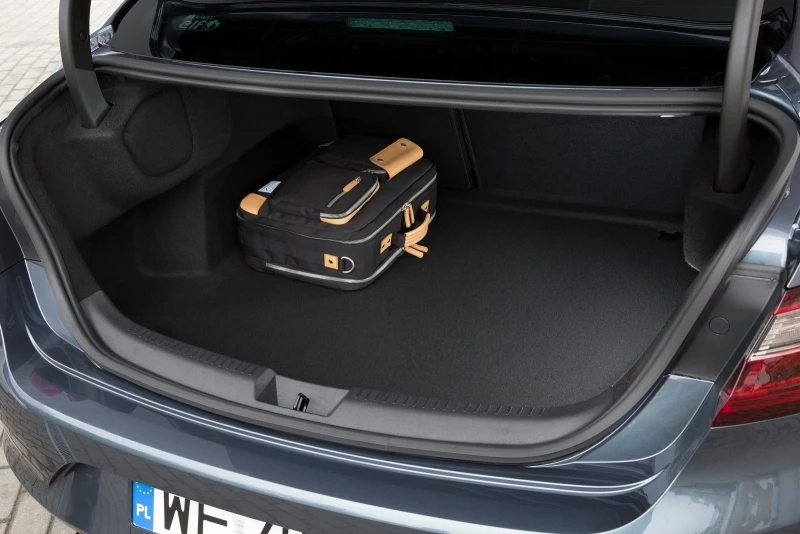
Trunk capacity:
- Hatchback — 13.5 cu ft (384 liters) → up to 44 cu ft (1247 liters) with seats folded
- Sport Tourer estate — 20.5 cu ft (580 liters) → up to 60 cu ft (1695 liters)
Everyday practicality is average: flat floor when seats are folded, convenient release handles, but no rear seatback angle adjustment (except in selected top trims).
Most Common Trim Levels on the US Used Market
In 2026, the following equipment grades are most frequently encountered on the American used car market:
| Trim Level | Main Interior Features | Typical Upholstery | Infotainment | Climate Control |
| Life / Expression | Entry-level specification | Basic cloth, hard plastics | 7" screen, basic R-Link | Manual A/C |
| Zen / Intens | Most common trim level | Improved cloth / partial synthetic leather | 7–8.7" R-Link 2 | Dual-zone automatic climate |
| GT Line / Bose | Enhanced specification | Cloth + synthetic leather combination, Alcantara in some versions | 8.7–9.3" touchscreen | Dual-zone + heated steering wheel |
| Initiale Paris | Top-of-the-line | Full Nappa leather, wood/metal accents | 9.3" R-Link 3 | Dual-zone, front seat massage |
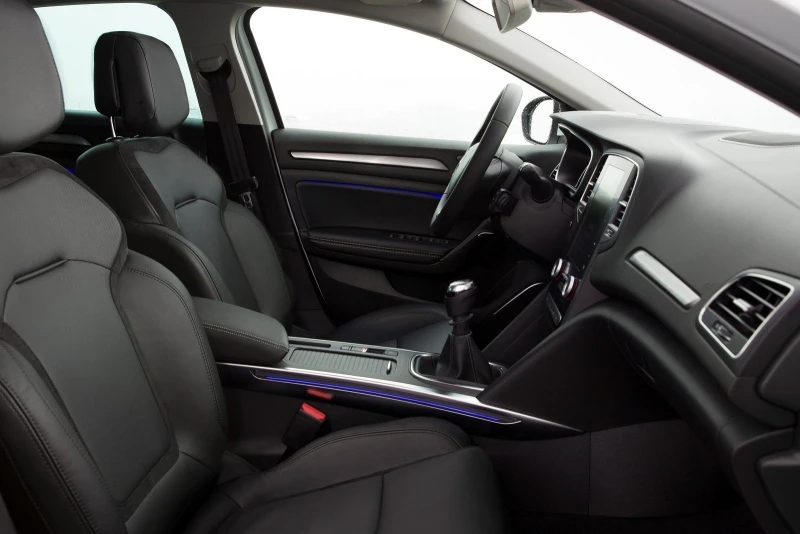
Even base Zen models from 2018 onward very frequently come equipped with heated front seats and steering wheel. Panoramic sunroof is relatively rare (approximately 8–12% of listings), mostly found on GT Line and Initiale Paris versions.
Interior Evolution by Year & 2020 Facelift Changes
2016–2018 — model launch. Vertical 7" or 8.7" screen, analog-digital instrument cluster (fully digital 7" in top versions).
2018–2019 — gradual rollout of 7" digital instrument display to more mid-range trims, improved sound insulation (additional mats in wheel arches and bulkhead).
2020 — major facelift. Key interior updates included:
- Larger 9.3" multimedia screen in higher trims
- Redesigned menu graphics and faster system response
- Revised digital instrument cluster with new design and more information
- Fresh upholstery options (lighter tones, improved synthetic leather texture)
- Additional noise insulation in wheel arches and floorpan
Post-facelift models (2020–2023) offer noticeably better cabin refinement and still feel contemporary in 2026.
Common Owner Complaints & Interior Weak Points
Most frequently mentioned issues from US owners' forums and reviews:
- Premature wear of driver’s seat side bolsters (especially at 85,000–110,000+ miles)
- Creaks from dashboard and door cards after 4–6 years
- Piano black trim scratches easily and shows fingerprints
- Rear seat tight for three adults on long trips
- Average rear visibility due to thick C-pillars (especially hatchback)
- Light-colored upholstery (beige, light grey) shows dirt quickly in winter conditions
Most minor creaks can be significantly reduced with additional felt tape and plastic treatment products.
Conclusions & Current Relevance
In 2026, the interior of the Renault Megane IV (especially facelifted 2020–2023 models) remains competitive and modern-looking in the compact car segment. The large vertical touchscreen, digital instruments, and solid ergonomics still feel contemporary.
Zen/Intens and GT Line models from 2019–2022 offer the best balance of price, equipment, and condition on the current US used market.
When shopping for a used Megane IV, pay special attention to:
- Condition of driver’s seat side bolsters
- Lack of heavy scratches/cracks on gloss trim pieces
- Touchscreen functionality (no lag or dead pixels)
- Evidence of professional detailing and absence of strong tobacco/pet odors
- No signs of water damage (especially under carpets and in trunk)
When well maintained, the Megane IV remains one of the most comfortable and technologically advanced options in the compact used car segment in the United States in 2026.