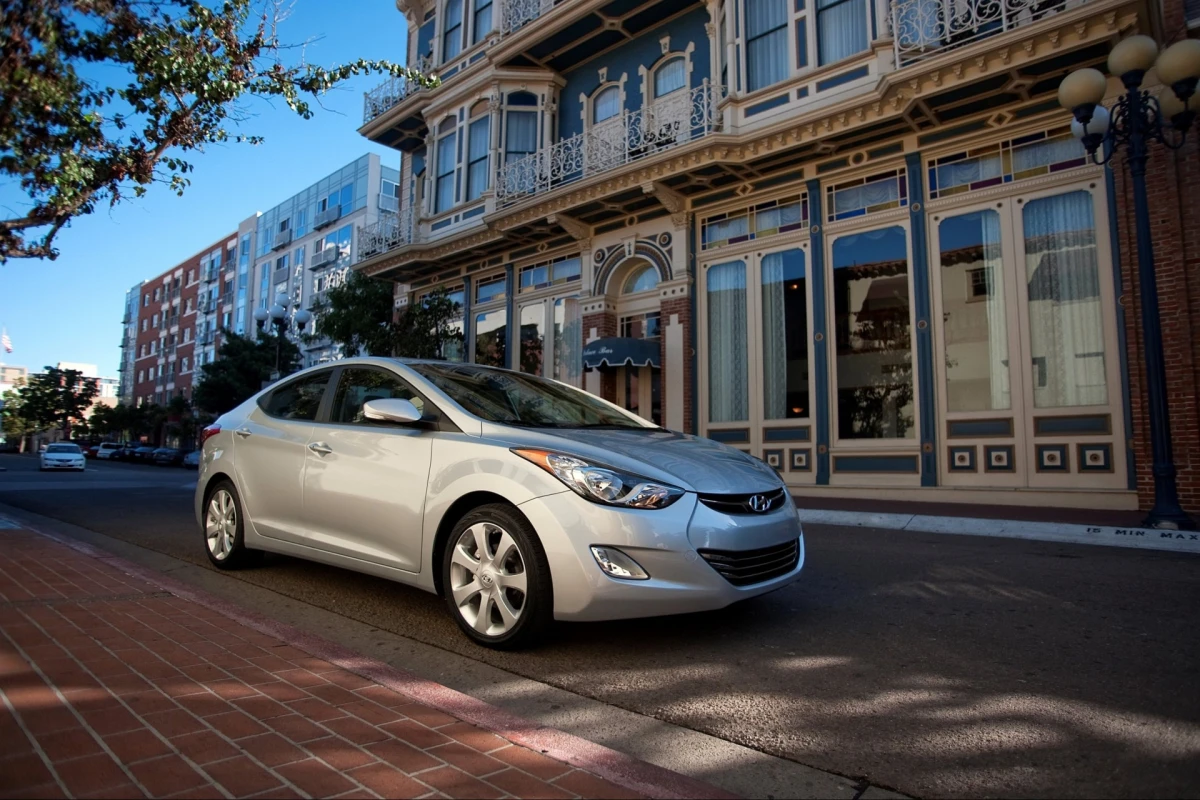



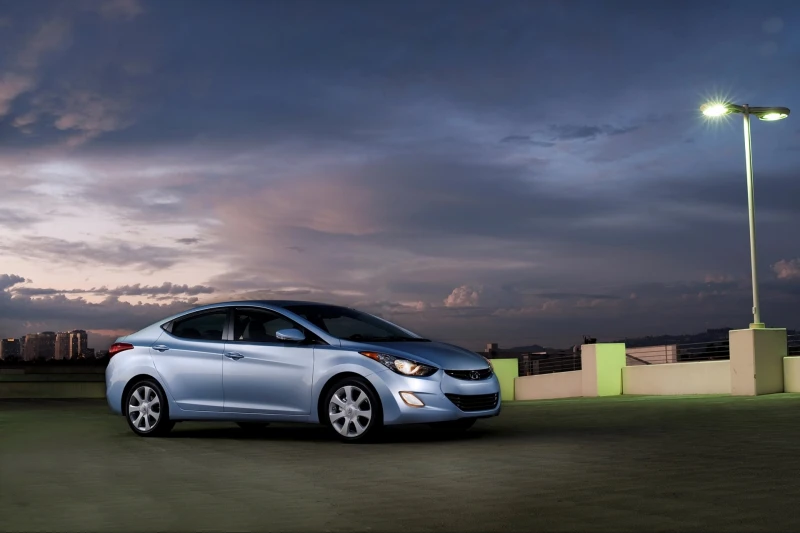
This generation marked Hyundai’s bold move toward more expressive styling and upgraded engineering, helping establish the brand as a serious player in the compact car segment. This article provides a full overview of the fifth-generation Hyundai Elantra, covering its standout features, major improvements over the previous model, and its position in today’s U.S. used-car market.
Introduction
The Hyundai Elantra fifth generation (2010–2015), internally coded MD for Korean-built sedans and UD for U.S.-assembled units, concluded production in 2015 with the introduction of the next-generation AD series.
Sales in the United States began in late 2010 as a 2011 model-year vehicle, distributed through Hyundai’s extensive dealer network. The model is built on the J5 platform shared with Kia, which brought significantly better structural rigidity and driving dynamics compared with the prior generation.
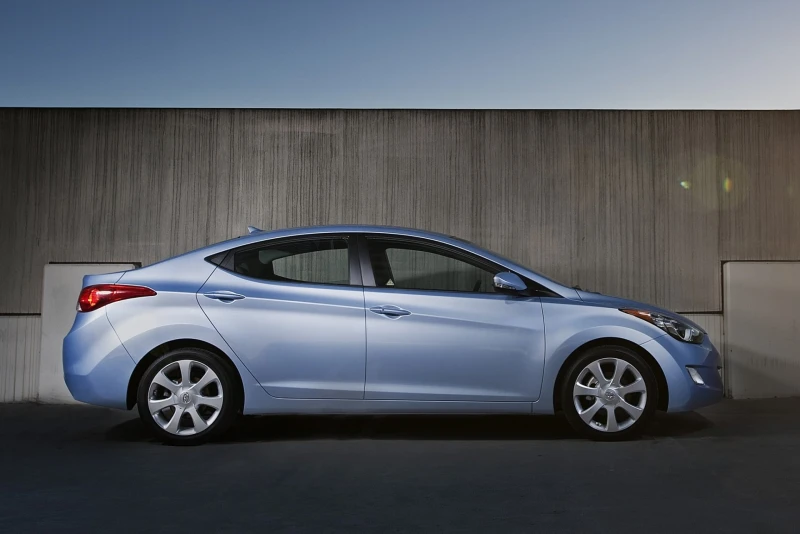
Positioned as an affordable, stylish compact sedan in the highly competitive C-segment, the Elantra V targeted daily commuting, highway trips, and young families looking for modern looks and solid value. Its signature “fluidic sculpture” design language featured flowing lines, a low drag coefficient of 0.28, slim headlights, and a distinctive hexagonal grille. All versions featured front-wheel drive, MacPherson strut front suspension, torsion-beam rear suspension, and a choice of 1.8L or 2.0L engines paired with either a 6-speed manual or 6-speed automatic transmission.
What’s New Compared to the Previous Generation
The fifth-generation Elantra represented a major leap forward from the fourth-generation model (HD, 2006–2010). The exterior moved from angular shapes to sweeping, aerodynamic “fluidic sculpture” lines, giving the car a much more dynamic and upscale appearance. Overall length grew by about 1.6 inches (to 178.0 inches), width increased by 1 inch (to 69.9 inches), and wheelbase stretched by 2 inches (to 106.3 inches), resulting in noticeably more rear-seat room and trunk space.
The new J5 platform replaced the older J4 architecture, delivering higher torsional rigidity and reduced weight through increased use of high-strength steel. Engine choices shifted to the more efficient Nu 1.8L MPI four-cylinder (148 hp) replacing the older 2.0L Beta unit, achieving combined fuel economy ratings of 28–38 mpg depending on trim and transmission. The 2.0L Nu MPI (173 hp) became available in Sport models. In the U.S. market, the 1.8L became the primary engine, with excellent real-world efficiency of 28–38 mpg.
Interior refinement improved dramatically with better sound insulation, higher-quality soft-touch plastics, and available leather upholstery in higher trims. Comfort features such as heated front seats became widely available. Safety ratings jumped thanks to standard ABS, electronic stability control, six airbags (up from two in base prior models), and strong IIHS “Good” ratings in most crash tests along with a Top Safety Pick award.
Current Status of the Generation
Production ended in 2015, with the final lineup including GLS/SE (base), Limited (upscale), and Coupe/Sport variants with the 2.0L engine. Major milestones: debut in 2010, significant facelift for 2014 model year (revised front fascia, LED accents, updated interior, larger touchscreen, and standard rearview camera on most trims), and end of production in 2015.
On the used market, post-facelift 2013–2015 models with the 1.8L engine and automatic transmission are widely regarded as the sweet spot for reliability, efficiency, and modern features. The 2.0L Sport versions remain less common but are sought after for their extra power.
U.S. Used Market
In the United States, the 2010–2015 Hyundai Elantra exists almost entirely on the used market. Listings on platforms such as Cars.com, Autotrader, and CarGurus typically show several thousand available examples at any given time. Very few truly low-mileage or one-owner examples remain, but well-maintained units with 100,000–180,000 miles are still plentiful.
Market condition remains steady: many examples are in good mechanical shape, though neglected high-mileage cars exist. Approximate fair market value range (private party / clean condition): $5,000–$11,000 depending on year, mileage, condition, and equipment. Most desirable versions feature the 1.8L engine, automatic transmission, and mid-to-high trims (Limited or GLS with Premium package).
| Model Year | Approximate Market Price (USD) |
| 2010–2012 | $5,000–$8,000 |
| 2013–2015 (facelift) | $7,000–$11,000 |
Prices are approximate based on current market data and vary by region, condition, and mileage.
Common Trims and Equipment in the U.S. Market
Typical U.S. trim levels for the 2010–2015 Elantra include GLS/SE (base), Limited (premium), and Coupe/Sport (performance-oriented). Base models usually came with air conditioning, power windows/locks, keyless entry, a six-speaker audio system with CD/MP3, tilt/telescopic steering, ABS, traction control, and front airbags.
Mid-level GLS/Limited trims added alloy wheels, cruise control, heated front seats, automatic climate control, Bluetooth, and (post-facelift) a 7-inch touchscreen with rearview camera. Top Limited trims often included leather upholstery, power driver’s seat, proximity key, push-button start, and available navigation. Sport/Coupe models featured the 2.0L engine, sport-tuned suspension, 17-inch wheels, and unique styling.
Most U.S. examples have cloth or leatherette/cloth combinations; suspension tuning was comfort-oriented for American roads. Engines are almost exclusively gasoline: 1.8L Nu MPI (148 hp) in most cars and 2.0L Nu MPI (173 hp) in Sport models. Transmissions are 6-speed manual or 6-speed automatic. All-wheel drive was never offered.
The interior layout is driver-focused with clear gauges, intuitive controls, and decent rear-seat space for the class.
Conclusions & Relevance Today
The 2010–2015 Hyundai Elantra remains a smart choice on the used market for buyers seeking a stylish, economical, and reliable compact sedan with low ownership costs. Parts availability is excellent, resale value holds reasonably well for the class, and real-world fuel economy of 28–38 mpg is still competitive.
The best buys are typically well-maintained 2013–2015 models with the 1.8L engine and automatic transmission. When shopping used, inspect for oil leaks, transmission smoothness, suspension wear (especially front struts), and rust in wheel wells or underbody (especially in salt-belt states). Always get a pre-purchase inspection, verify service history, and run a VIN check.
Overall, the fifth-generation Elantra continues to offer one of the best balances of style, efficiency, features, and affordability in the used compact sedan segment in the United States.