The situation remains particularly challenging for manufacturers of premium and sports cars, which must find a balance between electrification, profitability, and customer expectations.
Porsche has actively invested in electric vehicle initiatives in recent years. However, the manufacturer has now begun adjusting its strategy. Amid declining interest in certain projects and the need to reduce costs, the brand is closing several divisions and revising its development priorities.
Cuts to Electric Vehicle Projects
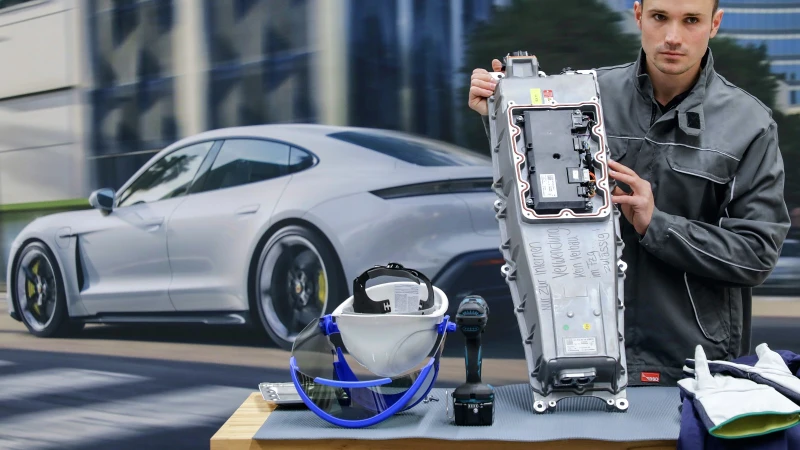
One of the most notable decisions is the closure of Cellforce, which was engaged in the development and production of batteries for electric vehicles. Previously, Porsche viewed this area as a key part of its future strategy, but the project did not receive the necessary market support.
The company attempted to find a new investor or buyer for the division but was unable to do so. As a result, production will be halted, some assets will be sold, and employees will be transferred to other parts of the group or let go.
In addition, Porsche is discontinuing the Porsche eBike Performance division, which focused on electric bicycles and their power systems. The unit developed electric drives and components, but the company has decided to cease further investment in this segment.
Another project that has been closed is the consulting firm Cetitec, which specialized in engineering services and developments in electromobility.
Why Porsche Is Changing Course
Several years ago, many automakers anticipated a rapid shift to fully electric vehicles. Porsche also bet on large-scale electrification of its lineup and planned to significantly increase the share of EVs in the coming years.
However, reality has proven more complex. High battery costs, uneven demand across markets, and slowing EV sales growth have prompted many manufacturers to reconsider their initial plans.
For Porsche, an additional factor is the nature of the brand. Its core lineup consists of sports cars and premium crossovers, where customers continue to value gasoline engine characteristics, handling dynamics, and emotional appeal.
Changes Within the Company
The restructuring affects not only production projects but also the company's internal organization. Porsche is changing its management structure and reducing certain digital initiatives.
In particular, the standalone IT unit responsible for digital services and multimedia systems has been eliminated. Previously, Porsche had invested heavily in developing interfaces, online features, and new driver interaction formats.
Management now plans to focus on core business areas:
- development of sports cars;
- improving profitability;
- preserving traditional powertrains;
- cost optimization;
- updating the model range.
What This Means for the Market
The developments at Porsche show that even major premium brands are forced to adjust long-term plans. A complete transition to electric vehicles requires massive investments and does not always match customer expectations in the high-end segment.
Nevertheless, the company is not abandoning electric models entirely. Porsche will continue developing its existing EV projects, but with a more cautious strategy focused on real market demand.
Summary
Porsche is carrying out a major restructuring by reducing divisions linked to electromobility and related technologies. The company aims to cut costs and concentrate on areas that remain central to the brand.
These changes reflect wider trends in the global automotive industry, where manufacturers are increasingly reassessing the pace and scale of the shift to fully electric transportation.