For premium brands, this is not only a way to highlight their engineering history but also an opportunity to demonstrate what motorsport was like in the first half of the 20th century.
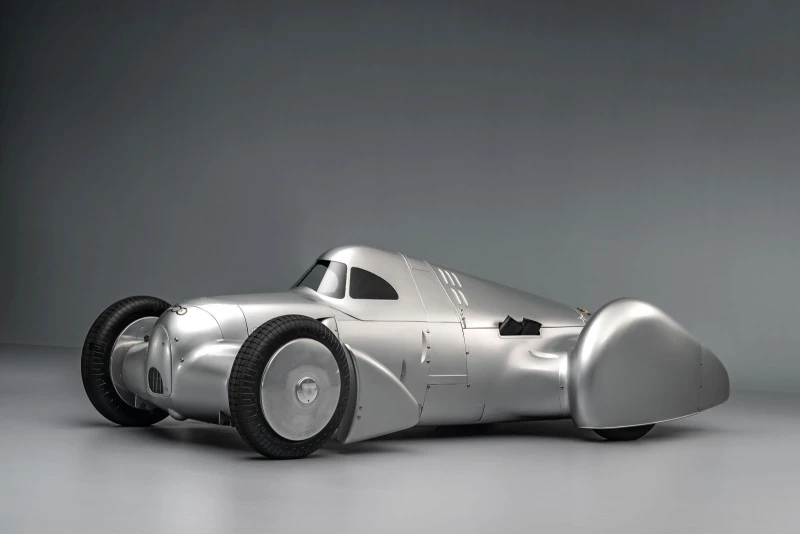
Audi has presented a modern reconstruction of the legendary Auto Union Type B Lucca automobile — one of the most unusual racing projects of the 1930s. The car was created to set speed records and became part of the famous era of the "Silver Arrows."
The Era of Speed Records
In the 1930s, European automakers competed not only on racetracks but also in the quest for world speed records. The main participants in this rivalry were Mercedes-Benz and Auto Union — a consortium of the Audi, DKW, Horch, and Wanderer marques.
In those years, engineers developed special vehicles with powerful engines and improved aerodynamics. One such project was the Auto Union Type B, equipped with a 16-cylinder powerplant.
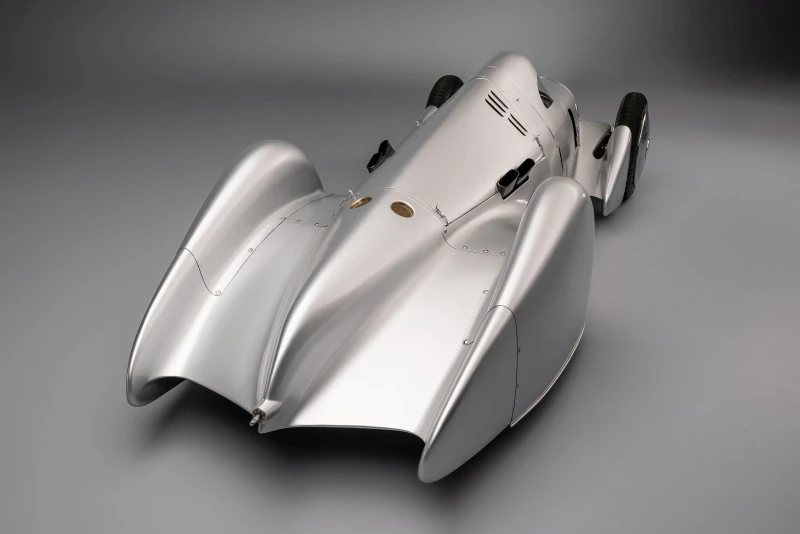
For the 1935 season, engineers increased engine displacement to 5 liters, and output rose to approximately 375 horsepower. In addition, the car received a redesigned rear body section with enhanced aerodynamics.
Speed Record in Italy
The company originally planned to set a new speed record on a track in Hungary, but weather conditions forced the team to change the venue. As a result, the attempt was relocated to the area near the Italian city of Lucca.
German driver Hans Stuck was at the wheel. During the run, he accelerated to nearly 327 kilometers per hour, which at the time established a new world record.
In honor of the Italian city, the car was named Lucca. After the record runs, the vehicle continued to compete, but its original form was lost during World War II.
How Audi Restored the Historic Car
The modern version of the Lucca was created by Audi in partnership with the British company Crossthwaite & Gardiner, which specializes in the restoration of historic vehicles.
The project took approximately three years. Engineers relied on preserved archival documents, photographs, and historical materials, since the original automobile did not survive.
During development, considerable attention was paid to accurately replicating the aerodynamics and body construction. Even contemporary aerodynamic analysis took into account the characteristics of the original 1930s vehicle.
Technical Features of the Reconstruction
Externally, the restored Lucca is as faithful as possible to the historic racer, yet the car incorporates certain technical modifications.
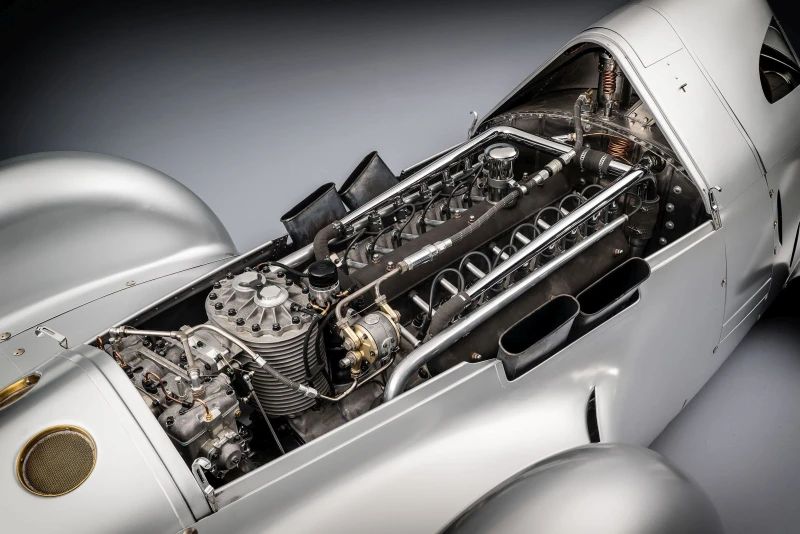
Beneath the aluminum body sits a 6-liter V16 engine producing approximately 520 horsepower. It operates on a special fuel mixture based on gasoline, methanol, and other components.
The main specifications of the car:
- 16-cylinder engine;
- power output of approximately 520 horsepower;
- weight of roughly 960 kilograms;
- streamlined aluminum body;
- design in the style of 1930s record-setting cars.
Audi has not yet released exact contemporary speed figures, but the project was conceived primarily as a historical reconstruction rather than a full-fledged record car.
Public Debut of the Model
The restored Auto Union Lucca will make its public debut at the Goodwood Festival of Speed — one of the largest events dedicated to historic and sports cars.
For Audi, the project serves as a reminder of the marque’s racing heritage and the era when engineering experiments with aerodynamics and powerful engines were beginning to shape modern motorsport.
Conclusion
The reconstruction of the Auto Union Lucca reflects Audi’s interest in its own history and the technical legacy of the pre-war period. The project combines historical accuracy, modern restoration techniques, and meticulous attention to detail.
The car stands as a reminder of a time when the pursuit of speed and engineering excellence played a pivotal role in the development of the European automotive industry.