However, practice shows that excessively large projects can create not only an impressive visual impact but also serious operational limitations.
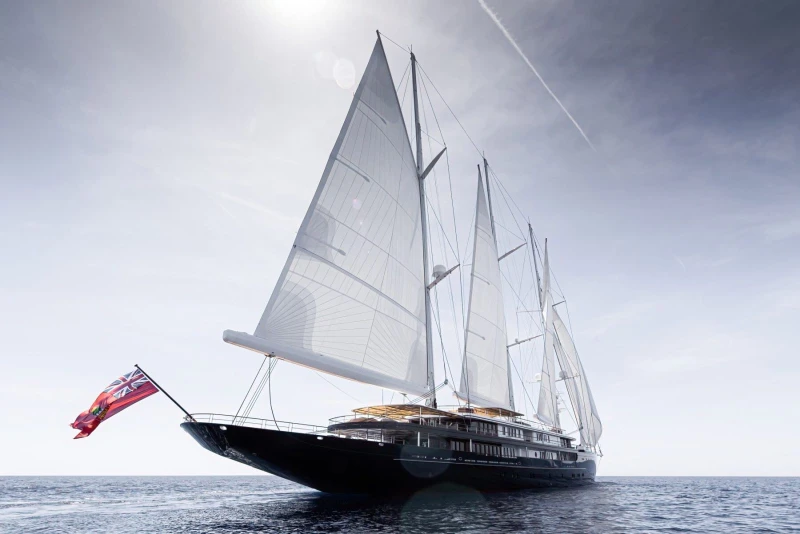
According to reports from international sources, Amazon founder Jeff Bezos is considering the sale of his sailing yacht Koru — one of the most prominent private vessels of recent years. The reason is the challenges associated with the yacht's enormous size and restrictions on entering popular ports.
How the Koru Yacht Was Created
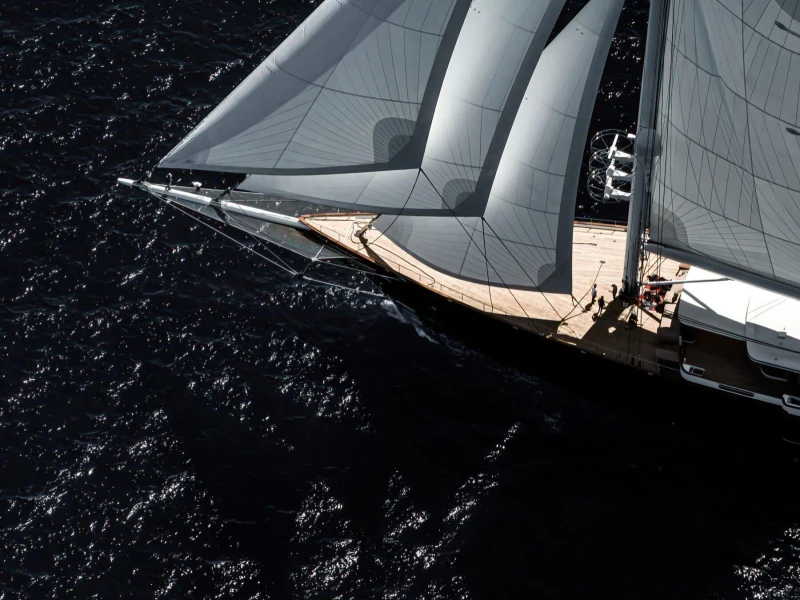
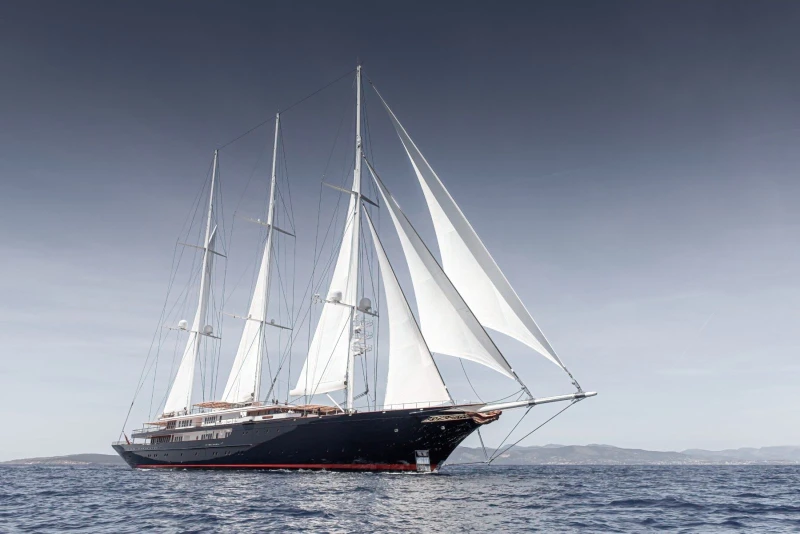
The yacht was built by the Dutch shipyard Oceanco and became one of the largest sailing vessels in the modern era. The hull length is approximately 125 meters, with a design featuring three massive masts around 70 meters high.
The vessel is powered by two MTU diesel engines, although it can sail under canvas in favorable weather conditions. The project combines classic sailing architecture with modern technology.
Even during construction, Koru drew considerable public attention. To get the yacht to the sea in the Netherlands, there were discussions about temporarily dismantling a historic bridge, as the vessel's dimensions made passage difficult.
Challenges Faced by the Owner
The primary issue has been the yacht's size. Despite its high level of technical sophistication and luxurious interiors, the vessel cannot freely access many well-known ports and marinas.
In particular, its large dimensions restrict docking in certain prestigious Mediterranean locations, including popular harbors in Monaco and Venice. In some cases, the yacht must moor at remote facilities intended for large cruise or commercial ships.
For an owner of a vessel in this class, this creates additional inconveniences:
- limited access to central ports;
- docking difficulties;
- the need to use auxiliary transport;
- higher maintenance costs;
- constant public attention.
Support Vessel and Infrastructure
In addition to the main yacht, Bezos owns a separate support vessel named Abeona, built by Damen Yachting. It is used to transport additional equipment and supplies.
The vessel accommodates jet skis, service equipment, and a helicopter deck. It can also carry extra crew members and guests.
This configuration with a dedicated support vessel is common among owners of the world's largest yachts, as it helps reduce the load on the primary vessel and allows more space for living areas.
Why Large Yachts Are Becoming Less Practical
Extra-large yachts frequently encounter infrastructure limitations. Many historic European ports were designed long before the emergence of modern megayachts and are not physically suited for vessels over 100 meters in length.
Furthermore, operating such vessels requires complex logistics, a large crew, and substantial maintenance expenses. Even for extremely wealthy owners, this can impose practical limitations on daily use.
Summary
The story of the Koru yacht illustrates that in the ultra-luxury segment, greater size is not always an advantage. Despite advanced technology, exclusivity, and striking appearance, oversized yachts can face significant infrastructural and operational constraints.
According to Western media, Jeff Bezos is considering selling the Koru relatively soon after the project's completion. There has been no official confirmation of any transaction yet.