The high seating position, vertical body pillars, and signature boxy shape create a surprising sense of spaciousness inside, even though the vehicle looks compact from the outside. In real-world driving on American roads and in varying climates across the country, the cabin proves practical and durable — straightforward without unnecessary complications, yet equipped with enough comforts for daily city and suburban use.
High Seating Position and Everyday Practicality
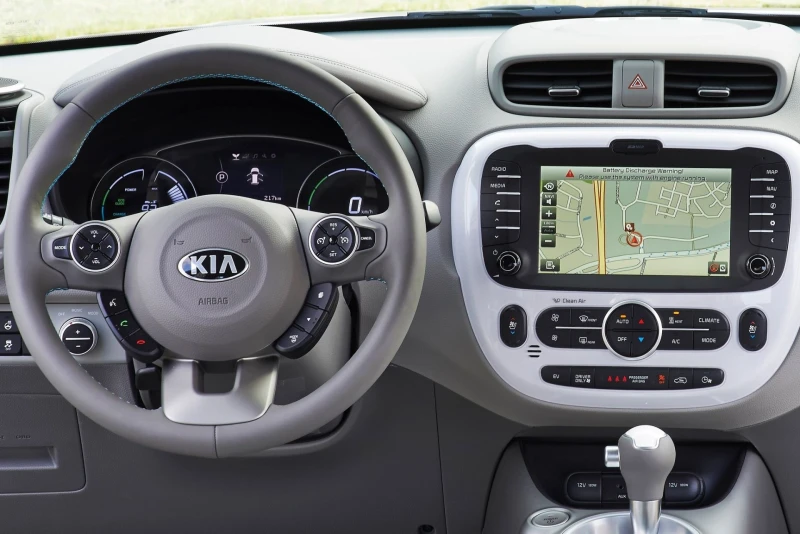
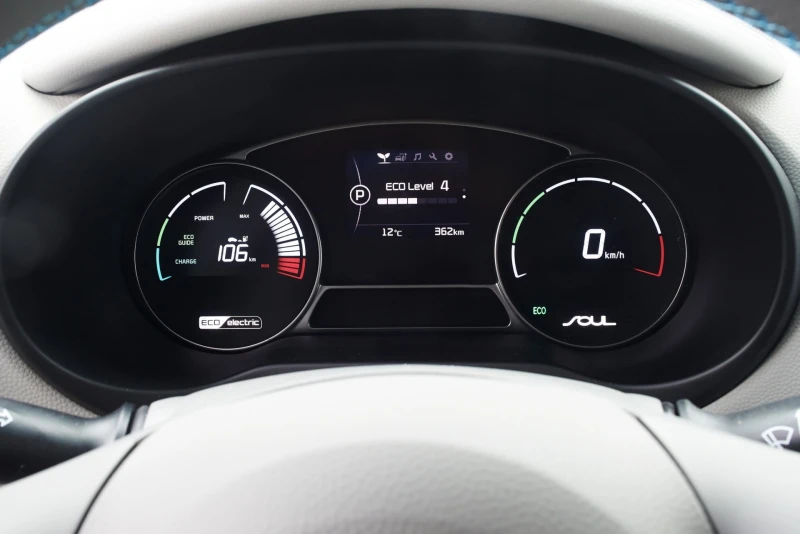
The Kia Soul II cabin is designed around a high and upright driving position — one of the model's key characteristics that makes it ideal for everyday driving. The steering column adjusts in two planes, and in mid- and higher trims, the driver's seat features power adjustment and lumbar support. This allows you to quickly find a comfortable position even after a long day on the highway or in city traffic. The instrument panel is slightly angled toward the driver, and the center console is positioned high — keeping all the important controls within easy reach without stretching or distraction.
In practice, this layout is particularly useful in American conditions: the elevated seating provides excellent all-around visibility, helping with parking in tight lots or maneuvering in snow. The climate control with large knobs is precise, and heated front seats and steering wheel (available starting in mid-level trims) warm up the cabin quickly even in freezing temperatures — a highly valued feature in many regions, especially during cold winters.
Interior Materials and Long-Term Durability
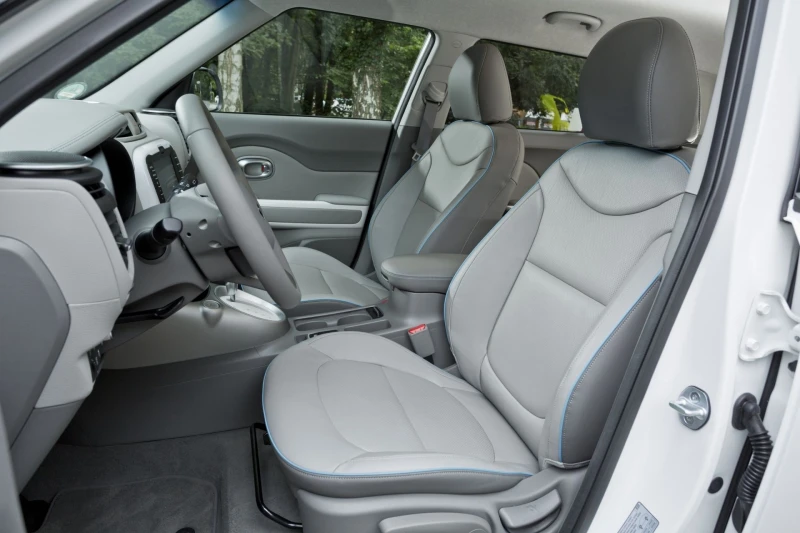
Material quality in the second generation improved significantly over the first. The upper dashboard and door cards use soft-touch plastic with texture, while lower sections are made of tough, practical hard plastic. Base models have durable fabric seats, while mid- and higher trims feature combined upholstery or leather with contrast stitching. After the 2017 facelift, higher-quality accents and improved door panel finishes made the interior more modern and pleasant.
In real-world use on US roads and with temperature fluctuations, the materials demonstrate excellent durability. The fabric resists dirt from shoes and family items, while the leather holds up well without cracking in cold weather. At mileages of 50,000–75,000 miles, serious wear is uncommon unless the vehicle was used heavily as a taxi. Build quality is solid: plastic squeaks are rare and mostly limited to early pre-facelift examples.
Space and Comfort for Passengers and Cargo
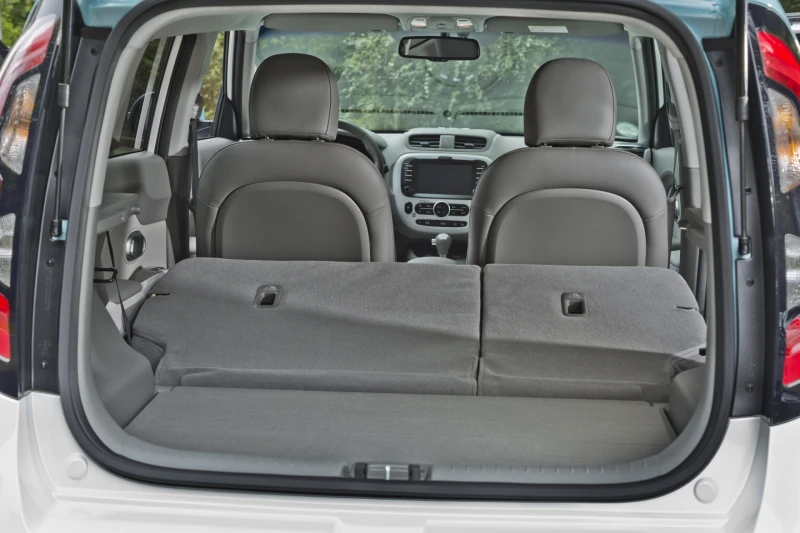
The increased wheelbase and high roof provided a real boost in interior volume. The driver and front passenger have plenty of room, while the rear seat comfortably accommodates two adults up to 6'1" (185 cm) with good knee and headroom even with front seats pushed back. The rear bench backrest adjusts for recline angle, and there's a center armrest, USB ports, and rear air vents. For American families this is practical: child seats install easily, and the back row works well for medium-distance trips.
The cargo area offers approximately 12.5 cubic feet behind the rear seats — expanding to around 46 cubic feet with seats folded. It easily swallows a stroller or several large bags. In some trims the cargo floor is height-adjustable, and with seats down you get an almost flat load area — perfect for weekend getaways or shopping runs.
Common Trims and Features Found on the Used Market
On the US used market, the most common versions are mid-level to higher trims (often equivalent to Comfort, Luxe, and Premium specifications). Even in mid trims you typically get climate control, heated front seats and steering wheel, a 7–8-inch infotainment screen with Apple CarPlay/Android Auto support (in later models), a rearview camera, and cruise control. Higher trims add leather seats, keyless entry, surround-view cameras, upgraded audio, and power driver's seat. Heated features are among the most sought-after options and are commonly found starting from mid-level equipment.
2017–2019 post-facelift models are noticeably better equipped and are the most popular choices on the used market. All-wheel drive was not offered in this generation, but the generous ground clearance helps in light snow and uneven roads.
Changes Within the Generation and What They Mean for Buyers
The Soul PS went through a facelift in 2017 that brought noticeable but targeted interior updates. New trim options, improved infotainment graphics, additional USB ports, and slightly higher-quality materials were added. On the used market this means 2017–2019 models are generally preferable — they offer more modern features and less early wear. Early 2014–2016 examples are still solid but may need minor updates to the infotainment and heating systems.
Real-World Cabin Experience in American Conditions
In daily use, the Kia Soul II interior shows good wear resistance. Seat and steering wheel heaters perform effectively even in cold weather. Materials hold up well against dust and moisture, though regular cleaning of mats and sills is recommended during wet seasons. Sound insulation improved noticeably after the 2017 facelift compared to the first generation, although road noise from the tires becomes noticeable above 70 mph — especially on rougher highways.
Rear visibility is somewhat limited by the high window line, but cameras and parking sensors in most trims take care of that. Cabin maintenance is straightforward: fabric and leather clean easily with standard products, and plastic requires little special care. At mileages over 60,000 miles, light wear on the driver's seat fabric is the most common issue — easily addressed with professional detailing.
Overall, the interior of the Kia Soul II (PS) (2014–2019) remains quite relevant for its age and class on the 2026 US used market. It delivers a practical and functional cabin with a good level of equipment that doesn't feel dated quickly. For most buyers, the best value in terms of features versus condition comes from 2017–2019 Luxe and Premium-equivalent models: they include all the essential daily comfort options like heating and modern infotainment without the premium for top-tier extras.