


Over the past few years, the number of such vehicles has grown significantly, and with it the supply on the used car market has increased. Models from first owners have depreciated particularly noticeably, losing value faster than traditional vehicles with gasoline and diesel engines.
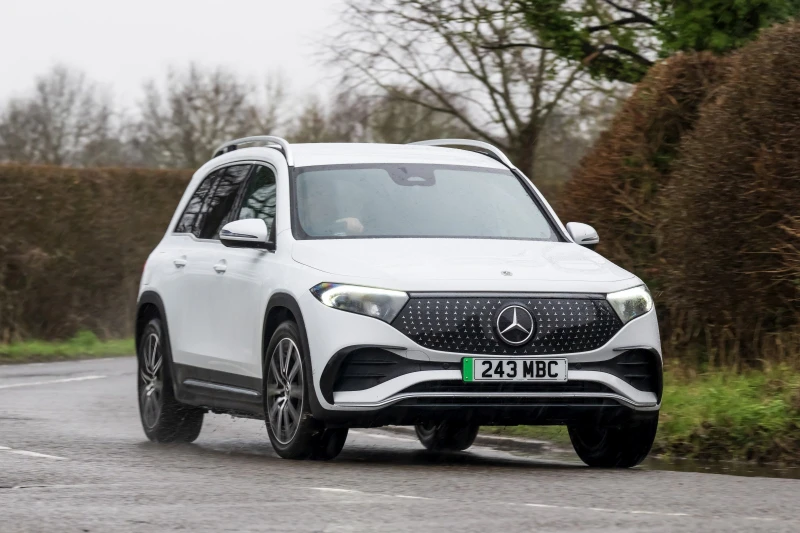
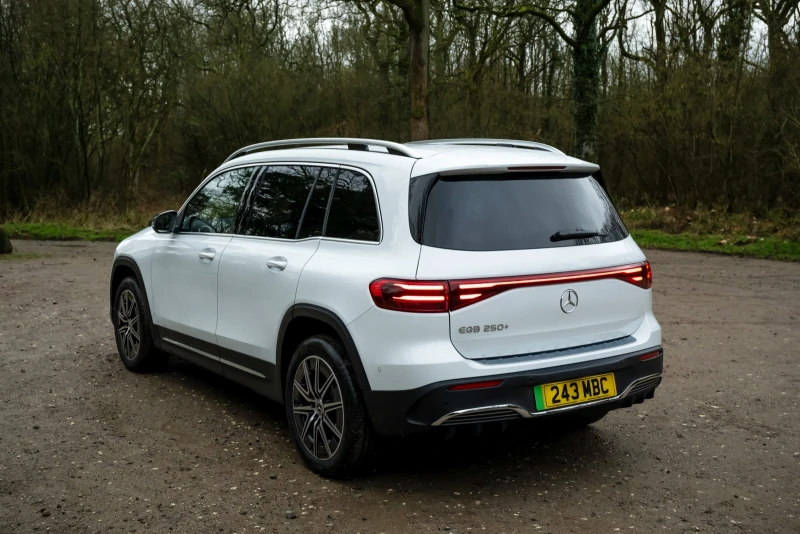
One example is the Mercedes-Benz EQB — an electric crossover capable of carrying up to seven people. Just a few years after the start of sales, the cost of these vehicles has decreased to nearly one-third of the original price. However, along with the attractive price, serious questions have arisen regarding operation and battery longevity.
What Is the Mercedes EQB
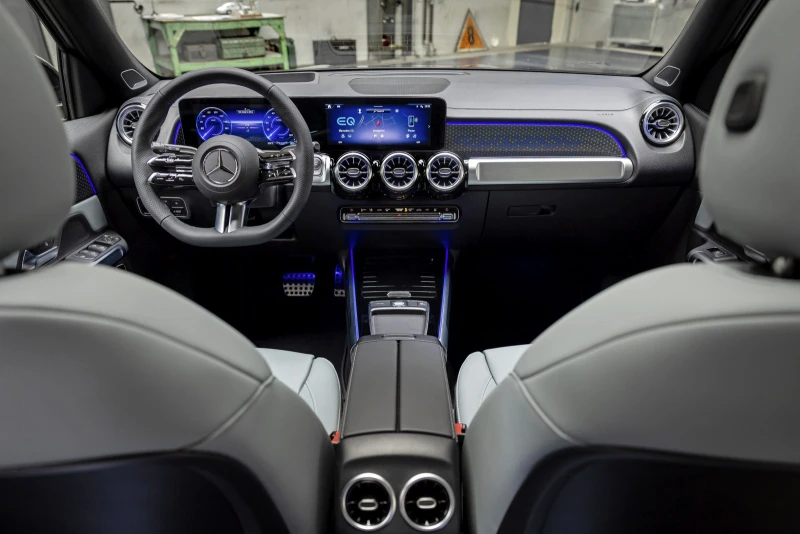
The EQB is built on the platform of the compact GLB crossover and is oriented toward family use. The vehicle features a spacious interior, a high level of equipment, and the option to install a third row of seats.
The model is equipped with a 66.5 kWh battery. In real-world operating conditions, average energy consumption is around 20.8 kWh per 100 kilometers. This means the actual range without recharging often falls within approximately 200–250 kilometers, especially when driving on highways or in cold weather.
In addition, charging speed can no longer be considered high by modern standards. At fast-charging stations, the EQB supports up to 100 kW, while home AC charging is limited to approximately 7 kW.
Why Prices Have Dropped Sharply on the Used Market
The sharp decline in value is driven by several factors. First, buyers of used electric vehicles are concerned about battery condition after several years of operation. Second, technology in the EV segment is advancing rapidly, so earlier models are quickly outpaced by newer ones in range and charging speed.
On the European market, four-year-old EQB examples can already be found for around $24,000. At the same time, the cost of a new original battery is practically comparable to the price of the vehicle itself.
Official battery replacement from the manufacturer can cost approximately $23,500. This factor remains the main risk for potential owners of a pre-owned EQB.
Common Issues Reported by Owners
Despite the comfortable interior and good equipment levels, the model has accumulated a number of typical shortcomings that owners and service specialists note.
Among the most common problems:
- unstable charging speeds at public stations;
- infotainment system glitches;
- issues with smartphone Bluetooth connectivity;
- accelerated discharge of the 12-volt battery;
- malfunctions of cooling system sensors;
- increased load on the suspension due to the vehicle's substantial weight.
Additional attention has been drawn to a Mercedes service campaign related to the risk of battery overheating on certain EQA and EQB vehicles produced from 2021 to 2024. For some cars, the manufacturer had to carry out battery replacements.
What to Consider When Buying
When choosing a used EQB, specialists recommend carefully checking the service history and battery condition. Participation in service campaigns, the availability of official battery diagnostics, and correct operation of the charging system are of particular importance.
It is also worth considering the manufacturer's warranty conditions. Mercedes provides a battery warranty of up to 8 years or 160,000 kilometers, provided at least 70 percent of the original capacity is retained.
Summary
The Mercedes EQB remains one of the few compact electric crossovers with a seven-seat interior and a high level of comfort. On the used market, the model looks attractive thanks to the noticeable price reduction.
However, potential owners must take into account the high cost of the battery, possible technical characteristics, and maintenance expenses. Battery condition remains the key factor when purchasing such a pre-owned vehicle.