The reason is straightforward: traditional sources of funding for road infrastructure are becoming ineffective, and alternative mechanisms require reevaluation. A notable example is the changes implemented in the US state of Minnesota.
Why New Payments Are Necessary
For many years, road maintenance and repairs in the US have been largely funded through excise taxes on motor fuel. Electric vehicle owners have contributed little to this system, as they do not purchase gasoline or diesel. As the number of such vehicles grows, a significant gap has emerged between infrastructure expenditures and incoming revenues.
Attempts to offset this gap through general budgets have proven limited, prompting authorities in several states to seek direct ways for electric vehicle owners to participate in funding the road network.
Annual Tax Based on Vehicle Value
In Minnesota, starting in 2026, a new annual road tax scheme for electric vehicles has been introduced. Previously, owners paid a fixed fee of approximately $75 per year, regardless of the vehicle's price or age. Now, this amount has been increased and supplemented with a variable component.
The base payment is about $150 per year. Additionally, a percentage of the vehicle's original MSRP is applied:
- in the first year — 0.5% of the full price;
- in the second year — 0.5% of 95% of the original value;
- in the third year — 0.5% of 90%;
- thereafter, the base decreases by 10% each year;
- for vehicles over 10 years old, a minimum base of 10% is used.
A similar scheme, but with a reduced rate of 0.25%, has been introduced for plug-in hybrids.
Additional Fee for Charging
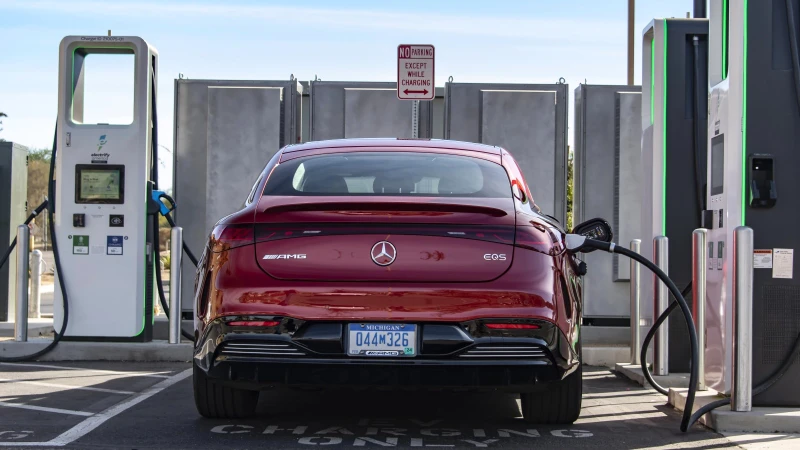
Starting in 2027, the state will implement another revenue source — a tax on public charging stations with power output of 50 kW or more. Operators of such stations will be required to remit about $0.05 per kilowatt-hour of energy dispensed. Effectively, this amount is incorporated into the charging cost and borne by electric vehicle owners.
With regular use of fast charging stations, annual expenses could increase noticeably, especially for vehicles with large batteries.
Potential Market Implications
The introduction of new fees alters the economics of electric vehicle ownership in the region. Previously, the emphasis was on the absence of certain operating costs; now, owners are gradually shifting to a model of direct participation in infrastructure funding, comparable to that of owners of vehicles with conventional engines.
Conclusion
Minnesota's experience illustrates that as subsidies decrease and budgetary pressures rise, electric vehicles are increasingly incorporated into the general system of taxes and fees. This approach helps balance road network funding but simultaneously affects the appeal of electric transport in regions with naturally low demand.