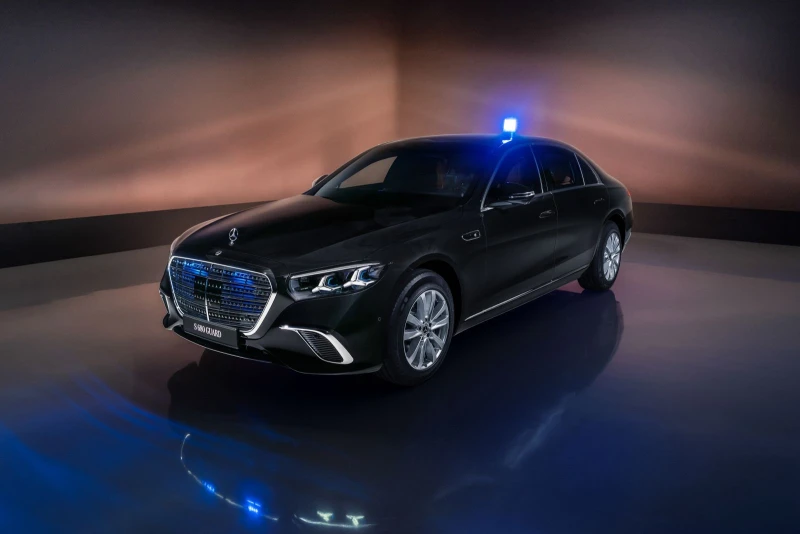
This particularly concerns the armored S-Class Guard version, designed for transporting passengers with elevated security requirements. The company not only restricts the sales markets for these vehicles but also vets potential buyers by asking questions about the purpose of the purchase.
This approach prompts discussion amid the difficult situation facing the German brand, which has seen declining demand in several key markets in recent years. At the same time, these are extremely expensive vehicles with high margins that could partially offset the drop in profits.
Mercedes Flagship and a Special Category of Clients
For decades, the S-Class has remained the pinnacle of the Mercedes-Benz lineup. The car is traditionally viewed as a symbol of status and the brand's technological level. Demand in the luxury sedan segment is always constrained by the high price, making each buyer particularly important.
However, the company continues to behave as though it retains absolute dominance in the premium segment. This is reflected not only in its pricing policy but also in its approach to selling certain modifications.
One example is the updated Mercedes-Maybach S-Class for the European market. In Europe, the model is no longer offered with a twelve-cylinder engine, although this version remains available in other countries. The manufacturer chose to adapt to environmental requirements and regulations, forgoing the costly engine for local customers.
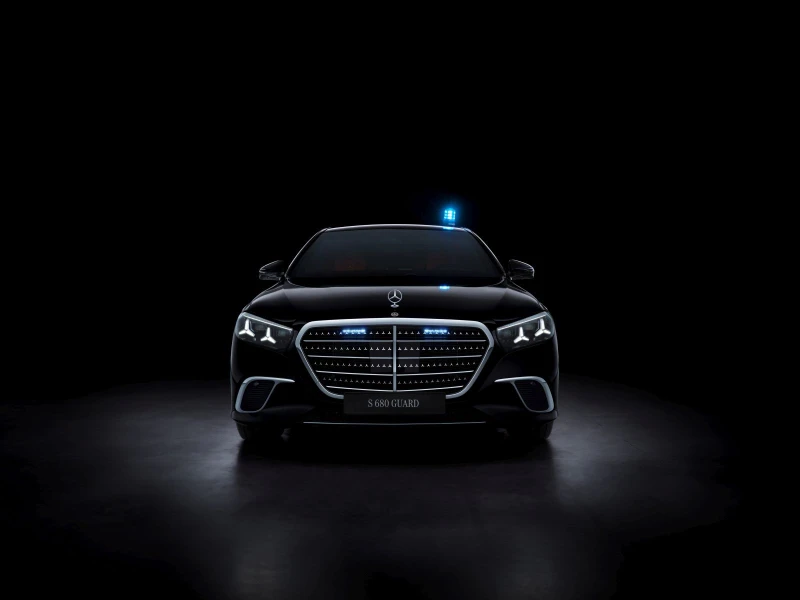
What is the S-Class Guard
The Mercedes S680 Guard occupies a unique place in the range as the armored version of the flagship sedan. Equipped with a V12 engine, the vehicle is designed to protect occupants from gunfire and explosions. Such cars are used by politicians, business executives, diplomats, and security services.
Pricing for these vehicles starts at approximately €659,000. The used-car market already features nearly new examples with very low mileage, making the model accessible beyond official orders.
Main features of the Mercedes S680 Guard:
- reinforced ballistic protection for the body and glass;
- twelve-cylinder engine;
- special suspension engineered for higher weight;
- protection against explosions and gunfire;
- emergency life-support systems.
Buyer Screening and Restrictions
Representatives from the Guard division confirmed that the company performs due diligence on potential customers before any sale. International sanctions, embargoes, and other legal restrictions are the primary considerations.
However, the process goes further. According to Mercedes, customers may be asked about their reasons for purchasing the vehicle and its intended use. The company does not disclose specifics of the screening process.
Regional restrictions also apply. For instance, armored Guard versions are officially unavailable in certain major markets, including the United States and China.
From a security perspective, the manufacturer avoids revealing technical details of the protection systems, which is understandable as such information could compromise effectiveness. Yet questions about buyer identity and purchase motives are viewed with some skepticism even by brand loyalists.
Why the Strategy Raises Questions
Critics argue that such strict oversight cannot completely prevent these vehicles from circulating. Cars still reach the secondary market and can change hands without manufacturer involvement.
Moreover, armored Mercedes models have repeatedly ended up with politicians and state leaders of questionable reputation. As a result, the selectivity in official sales appears more as an image-driven policy than an effective control mechanism.
Amid global sales declines, this strategy appears unusual for a company in the highly competitive premium segment — particularly as some customers may simply turn to dealers or intermediaries who ask fewer questions.
Conclusion
Mercedes-Benz continues its distinctive approach to selling armored S-Class Guard versions, combining legal compliance checks with additional buyer scrutiny. While the company cites security needs and the model’s status, the policy generates debate given falling sales volumes and the availability of these vehicles on the used market.