By 2026, these 2015–2020 models have already seen substantial use, and their interiors demonstrate how simple materials and smart ergonomics hold up under real American driving conditions — cold winters in many regions, long highway miles, and daily family commutes. The Hyundai Creta I interior is evaluated here not as a static collection of components, but through the lens of everyday life on U.S. roads.
Practicality and Ergonomics in Daily Driving
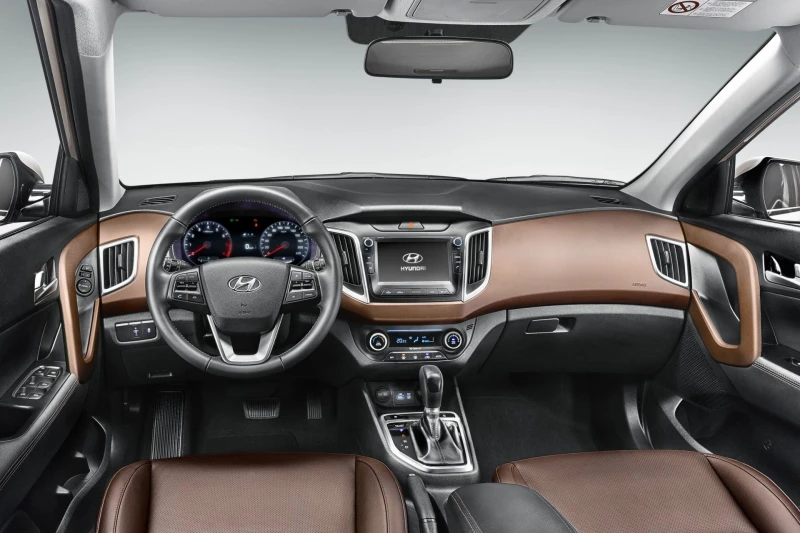
The front cabin follows a classic layout with a high seating position for the driver. The steering column adjusts in two planes, making it easy for drivers of any height to find a comfortable position. The instrument panel is straightforward and remains easy to read even in bright sunlight or at night. The center console is uncluttered — climate controls are mounted high and easy to reach, and in automatic models the shifter doesn't get in the way of the center armrest.
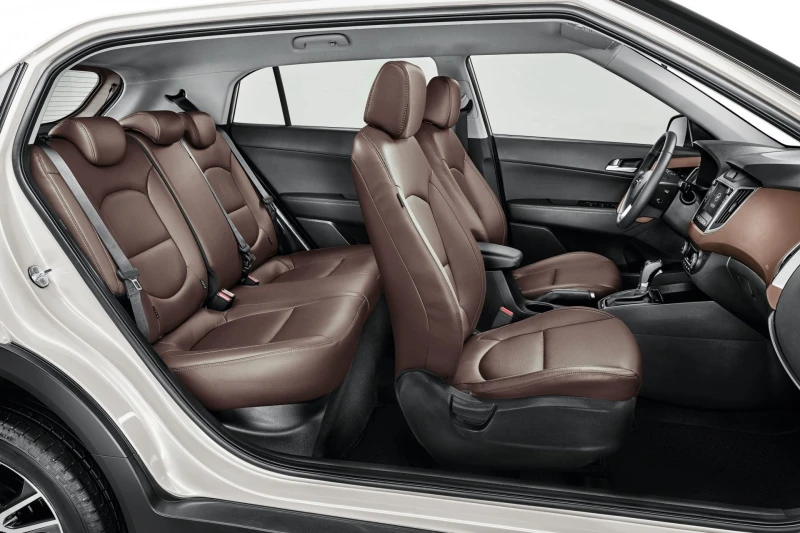
The elevated driving position provides a good forward view thanks to slim front pillars. In the second row, there's adequate knee and headroom for two adults up to about 6'1", though three passengers may feel cramped on longer trips. The rear seatback is adjustable, with a center armrest and rear air vents — thoughtful details that enhance comfort during traffic or hot weather.
Cabin Materials and Long-Term Durability
Most examples on the used market feature practical materials: durable fabric seats in base trims and a fabric-plus-synthetic leather combination in mid- and higher-level versions. Hard plastics on the dashboard and door cards resist scratches but can pick up scuffs from keys and bags over time. Facelifted 2018–2020 models introduced Soft Touch inserts on the upper dashboard, giving the interior a slightly more premium feel.
In American climates with temperature extremes and road salt in winter, the fabric upholstery performs well when cleaned regularly. Synthetic leather in top trims resists cracking but can fade slightly from prolonged sun exposure. Plastic squeaks are uncommon and mostly limited to early 2015–2016 examples; post-facelift cars have tighter assembly quality.
Space, Trunk, and Everyday Usability
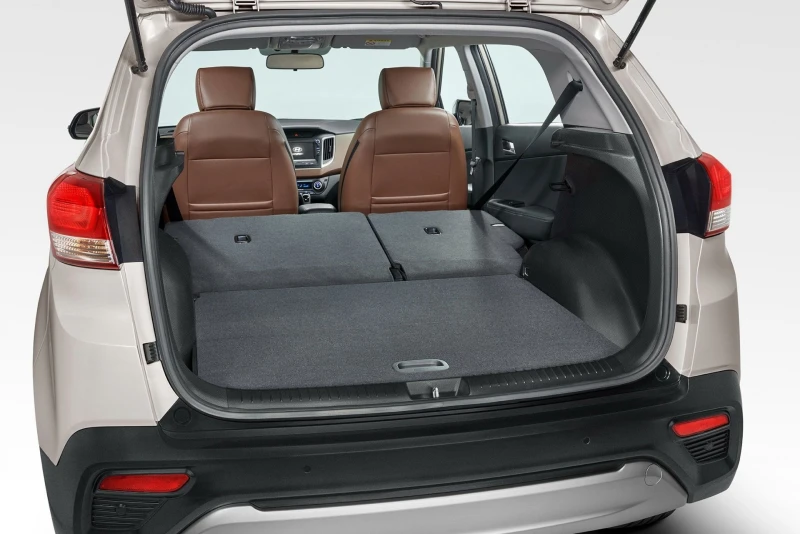
The trunk provides 14.2 cubic feet of cargo space (expanding to approximately 49 cubic feet with the rear seats folded), easily fitting a stroller or several large shopping bags. The flat floor and low loading lip make it simple to load heavy items. In daily American use — whether for grocery runs, weekend getaways, or hauling gear — this practicality is immediately noticeable.
Rear visibility is somewhat restricted by the high beltline, so the rearview camera found in higher trims is genuinely useful. Sound insulation is average: above 60 mph on the highway, road and wind noise become noticeable, but conversation remains comfortable.
Trim Levels and Features Commonly Found on the Used Market
Active, Comfort, and Travel trims make up the majority of examples on the U.S. used market. Base versions include air conditioning, a basic audio system, fabric seats, and a minimal airbag setup. Comfort adds automatic climate control, heated front seats and steering wheel, power windows for all doors, and a 7-inch infotainment display. Top-tier Travel and Executive models bring a leather-wrapped steering wheel, keyless entry, rearview camera, and an upgraded sound system.
Heated seats and steering wheel are among the most appreciated features in many parts of the country, warming up quickly and effectively during cold months. In 2018–2020 facelifted vehicles, the infotainment system added Apple CarPlay and Android Auto compatibility, making it far more contemporary. All-wheel drive doesn't affect the interior directly but tends to appear more often in well-equipped examples with the 2.0-liter engine.
2018 Facelift Changes and What They Mean for Buyers
The 2018 facelift refreshed the interior without overhauling the basic layout. It introduced new upholstery options, improved instrument cluster graphics in higher trims, and better materials on the door panels. Climate control became more precise and the infotainment system quicker. On the used market, this makes 2018–2020 models more desirable: they show less interior wear and offer more modern features, with a typical price premium of $2,000–$4,000 over pre-facelift examples depending on condition and mileage.
Living with the Creta Interior in American Conditions
Over years of ownership, the first-generation Creta cabin demonstrates solid durability. Seat fabrics clean easily with everyday products, though all-weather floor mats with high edges are recommended during wet seasons when shoes track in mud or salt. Plastics hold up well against fading, but the dashboard can develop sun glare over time — a minor annoyance many owners fix with a dash mat or window tinting.
There are few interior-specific trouble spots. Occasional creaks from the center console in extreme heat or cold can occur, but they're not common. Maintenance is straightforward and inexpensive: regular vacuuming, wiping down surfaces, and periodic detailing keep the cabin looking fresh even at 90,000–125,000 miles.
Overall, the interior of the Hyundai Creta I (QS) (2015–2020) remains competitive for its age and segment. On the 2026 used market, Comfort and Travel facelift examples strike the best balance of value and equipment: they include essential comfort features like heating elements and modern connectivity without premium pricing for unnecessary extras. For buyers seeking a practical, reliable cabin without complex electronics, the first-generation Creta continues to deliver a functional and user-friendly space that requires minimal upkeep.