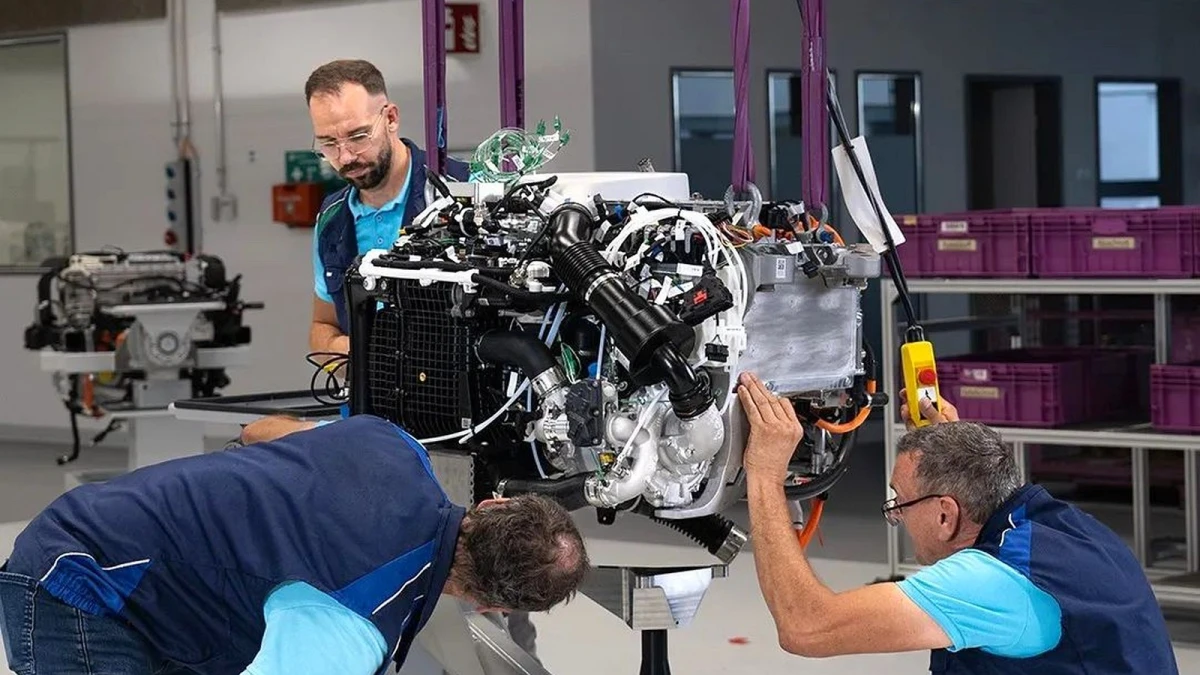
One of these tests involved the current-generation BMW M3. After approximately 100,000 kilometers, the car was fully disassembled for a detailed analysis of its technical condition. The results offer valuable insights into the model's capabilities.
Model Evolution and Perception
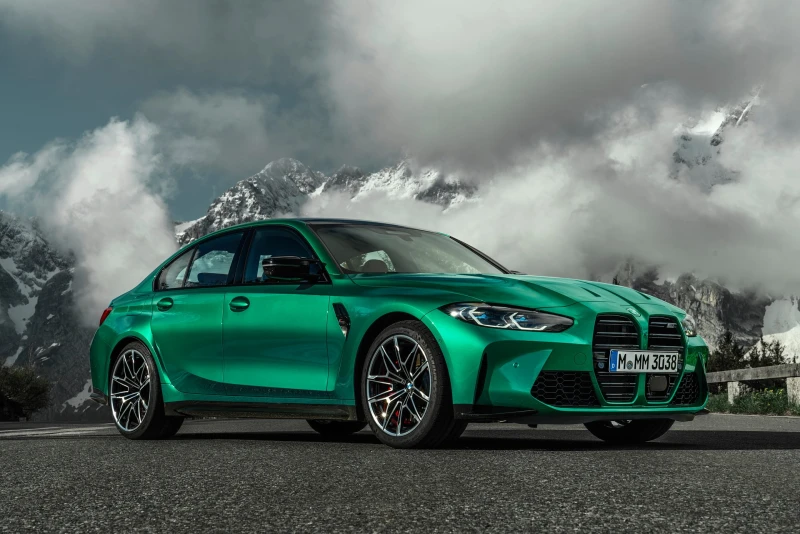
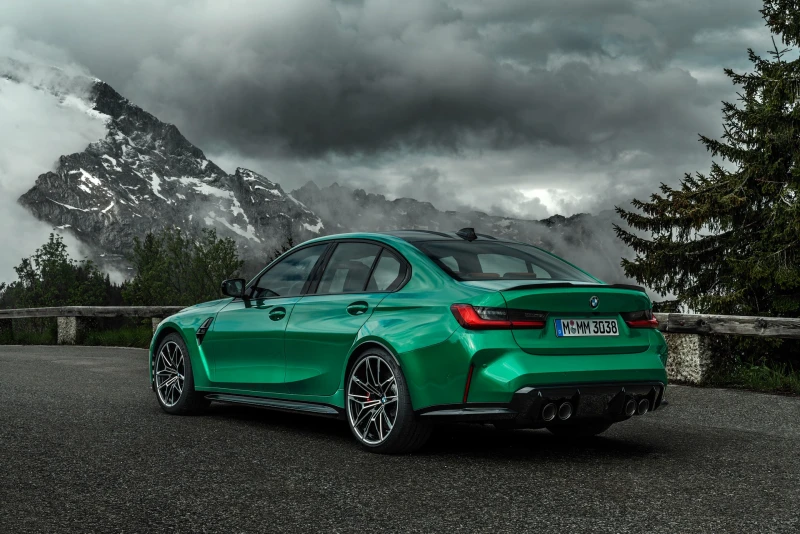
The BMW M3 G80 generation initially drew mixed reactions due to its design, particularly the enlarged kidney grille. Over time, perceptions have shifted, especially when compared to competitors that have adopted hybrid powertrains and added weight.
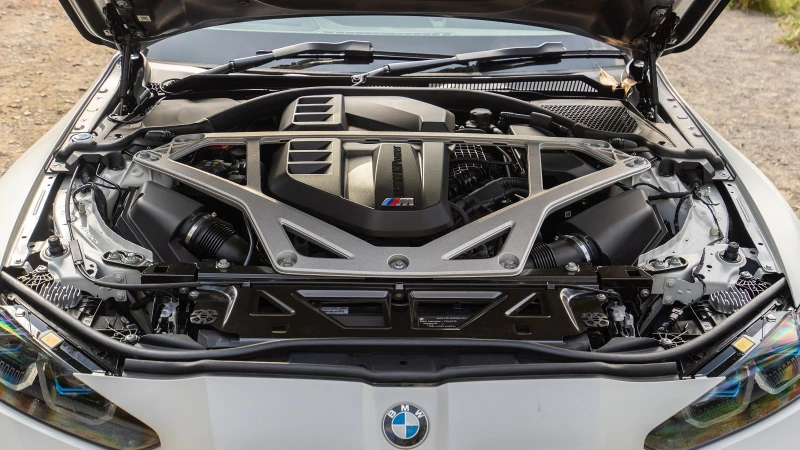
The car has retained its core attributes: a twin-turbo inline-six engine and the option of a manual transmission. Higher-performance versions feature all-wheel drive and an automatic gearbox.
Long-Term Test and Operating Conditions
The test ran for approximately two years. During this period, the vehicle was used in a variety of scenarios, from daily commuting to high-load driving. At the conclusion, the car underwent a complete disassembly for in-depth examination of all components and systems.
This approach reveals hidden issues and provides an accurate picture of real-world wear that is not always visible in normal use.
Engine and Component Condition
The main engine components showed almost no signs of significant wear. Even after intensive operation, internal elements remained functional with no visible damage.
The clutch was the only part exhibiting partial wear, although specialists assessed that it still had sufficient life for many more tens of thousands of kilometers.
Suspension, Brakes and Electronics
The suspension and braking system also maintained good condition. Despite dynamic driving, no major issues were found.
Electronic systems operated flawlessly for the duration of the test, confirming the high quality of both hardware and software engineering.
Operational Metrics
Average fuel consumption was approximately 10 liters per 100 km, which is consistent with the characteristics of a sports sedan producing around 480 horsepower. This is an expected figure for a vehicle in this performance class.
The BMW M3 also proved practical for everyday use, combining strong performance with day-to-day comfort.
Overall Condition After Teardown
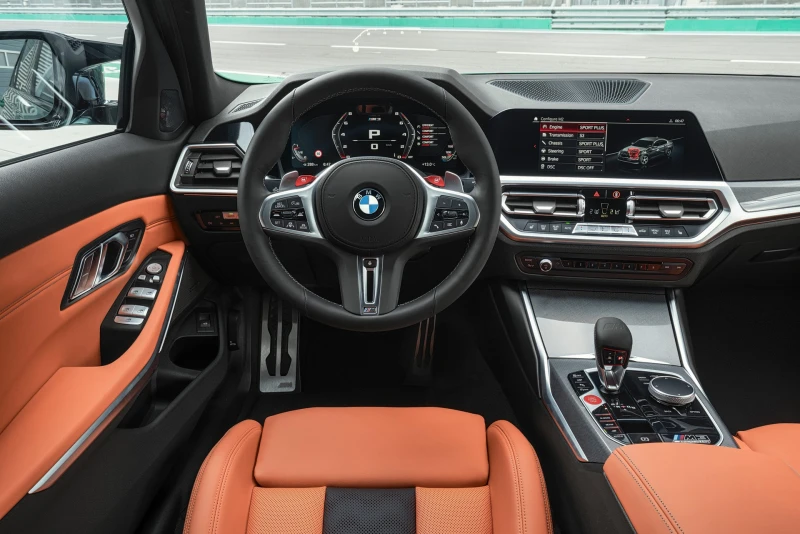
Following the complete disassembly, no serious defects or critical wear were discovered. The only noticeable traces of use were in the interior, where the leather seat upholstery showed natural signs of aging.
Otherwise, the vehicle retained excellent technical integrity, which is uncommon for high-performance models after this level of mileage.
Conclusion
The test results show that the BMW M3 can handle substantial loads without compromising its major systems. The model combines sporting performance with solid reliability, making it a versatile choice for both enthusiastic driving and daily operation.