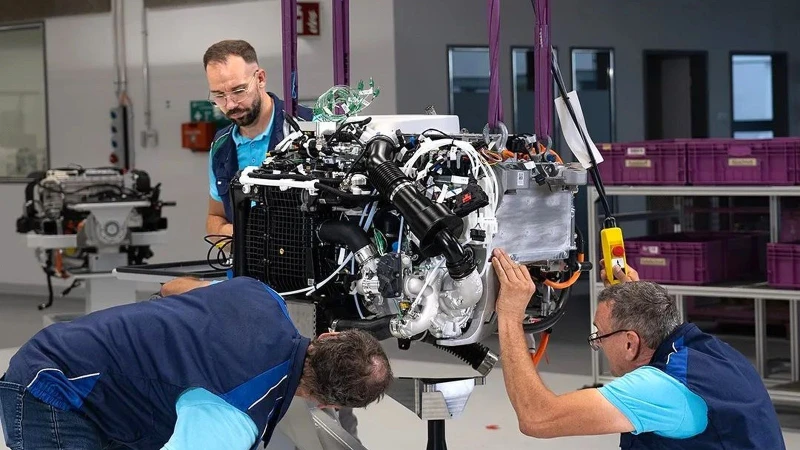
The project reflects BMW's effort to offer an alternative to conventional battery-electric vehicles and assess hydrogen's potential as an energy source for transportation.
Concept and Expected Launch
Development of the model is entering its final stage. Over the coming year, the automaker plans to focus on final vehicle tuning before the production version is expected to launch. Its market debut is tentatively scheduled for around 2028.
The vehicle uses an electric powertrain supplied by hydrogen fuel cells. This approach combines the advantages of electric propulsion with rapid energy replenishment.
Hydrogen Storage Technology
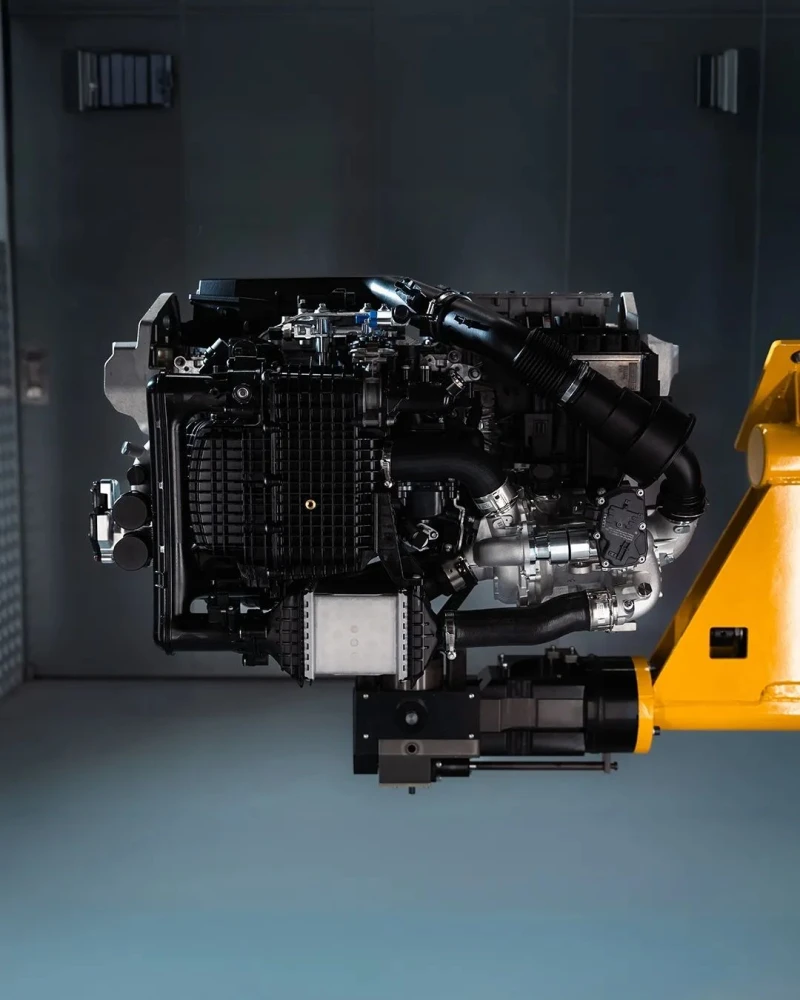
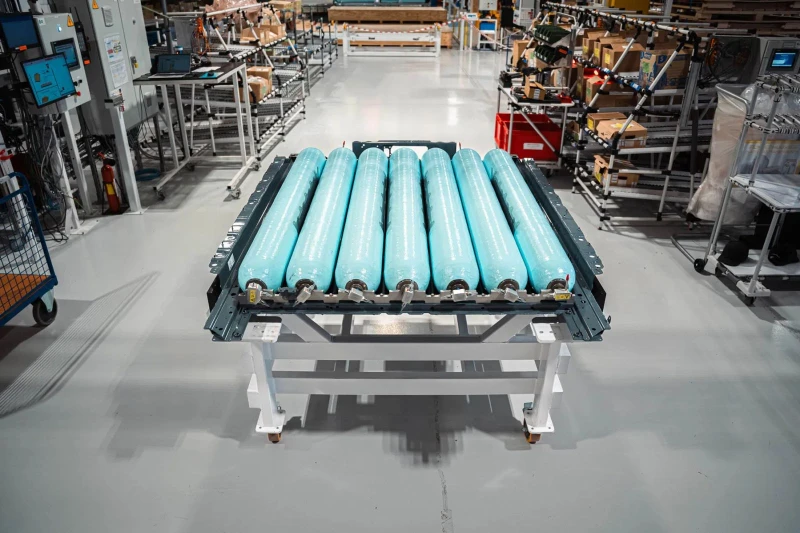
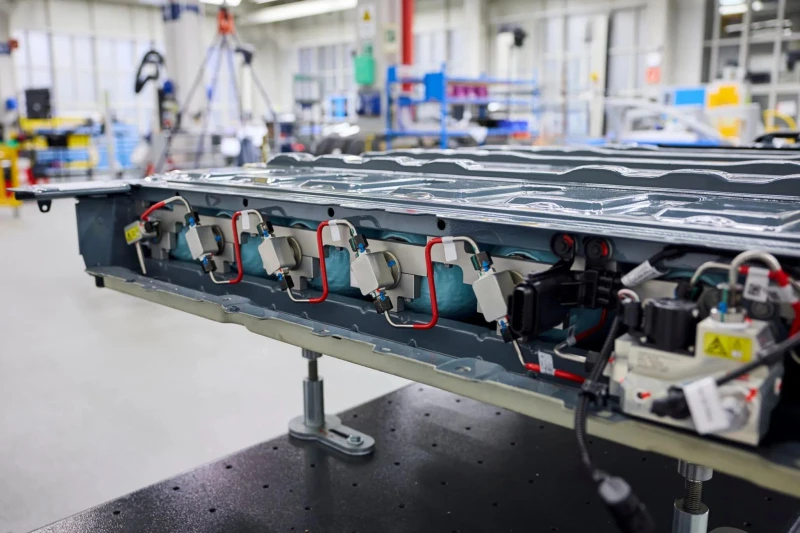
One of the model's key features is a new hydrogen storage solution called Hydrogen Flat Storage. It uses seven interconnected tanks capable of holding at least 15.4 pounds (7 kilograms) of hydrogen.
The system's main advantage is its compact design. The reduced diameter of the cylinders allows them to be installed beneath the vehicle's floor without affecting cabin space. Refueling takes place at 10,153 psi (700 bar) and requires about five minutes.
- Range — up to 466 miles (750 kilometers)
- Refueling time — about 5 minutes
- Tank location — beneath the vehicle floor
Performance and Powertrain
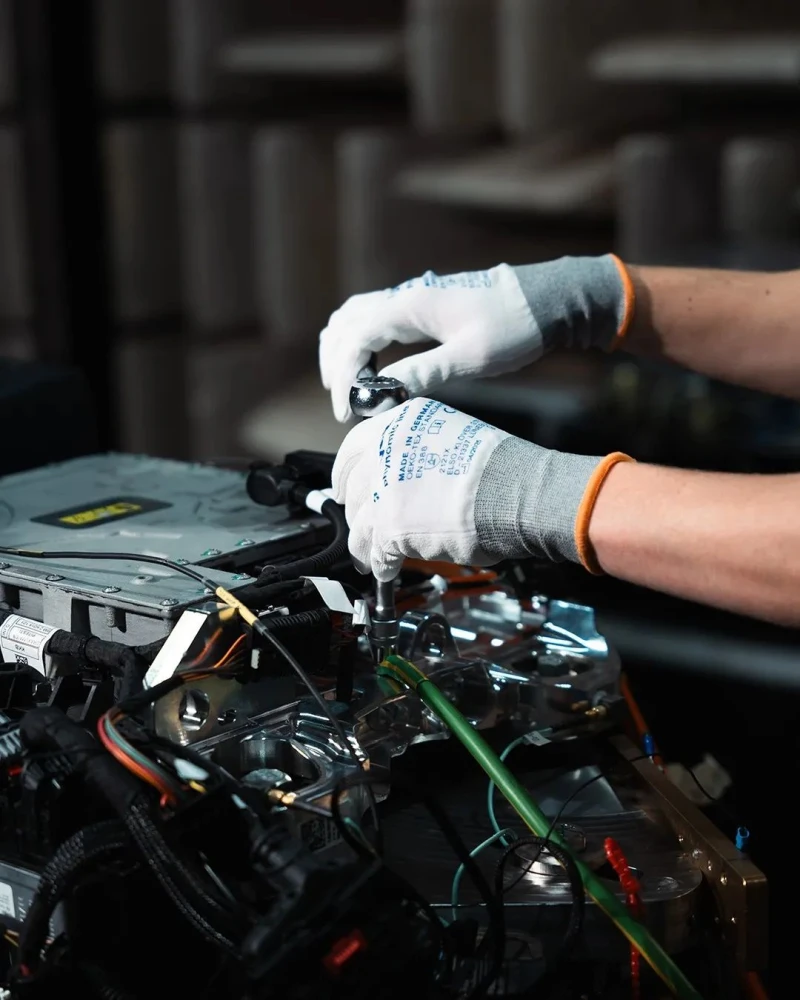
The vehicle is equipped with a new generation of fuel cells. The current system produces approximately 395 hp (401 PS), enabling acceleration from 0 to 62 mph (0 to 100 km/h) in under six seconds. These figures are consistent with the large crossover segment and are intended to support comfortable everyday driving.
Infrastructure Limitations
Despite its technical advantages, the expansion of hydrogen vehicles is constrained by limited infrastructure. Some countries still have very few hydrogen refueling stations, while certain regions have none at all.
Even with a substantial driving range, routes still need to be planned around available stations. Without further development of the refueling network, widespread adoption of such vehicles could remain difficult.
Alternative Approaches
Hydrogen can be used not only in fuel cells but also in conventional internal-combustion engines. This option preserves a familiar vehicle architecture and could simplify the transition to a new fuel. BMW, however, has chosen hydrogen-powered electric propulsion.
Conclusion
The hydrogen-powered BMW iX5 project demonstrates the technology's capabilities and the company's effort to diversify automotive energy sources. The model combines a long driving range with rapid refueling, but its prospects will depend directly on infrastructure development and market demand.
Hydrogen vehicles remain a niche segment at this stage, although further advances in technology and infrastructure could change their role in the automotive industry.