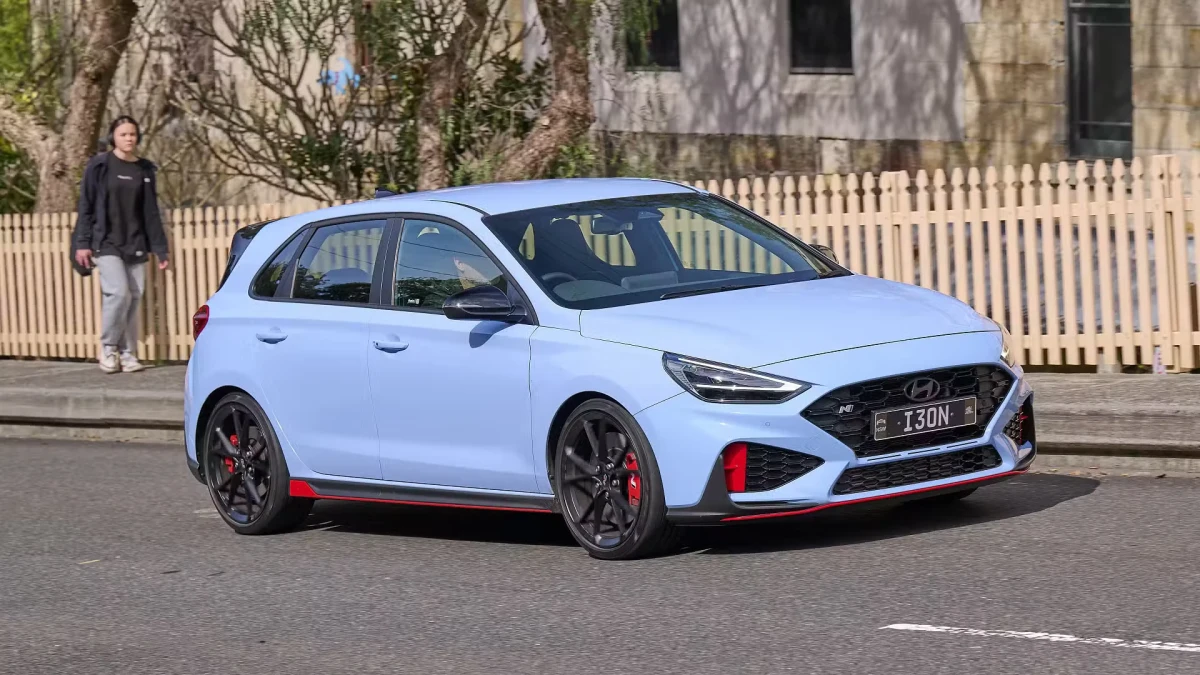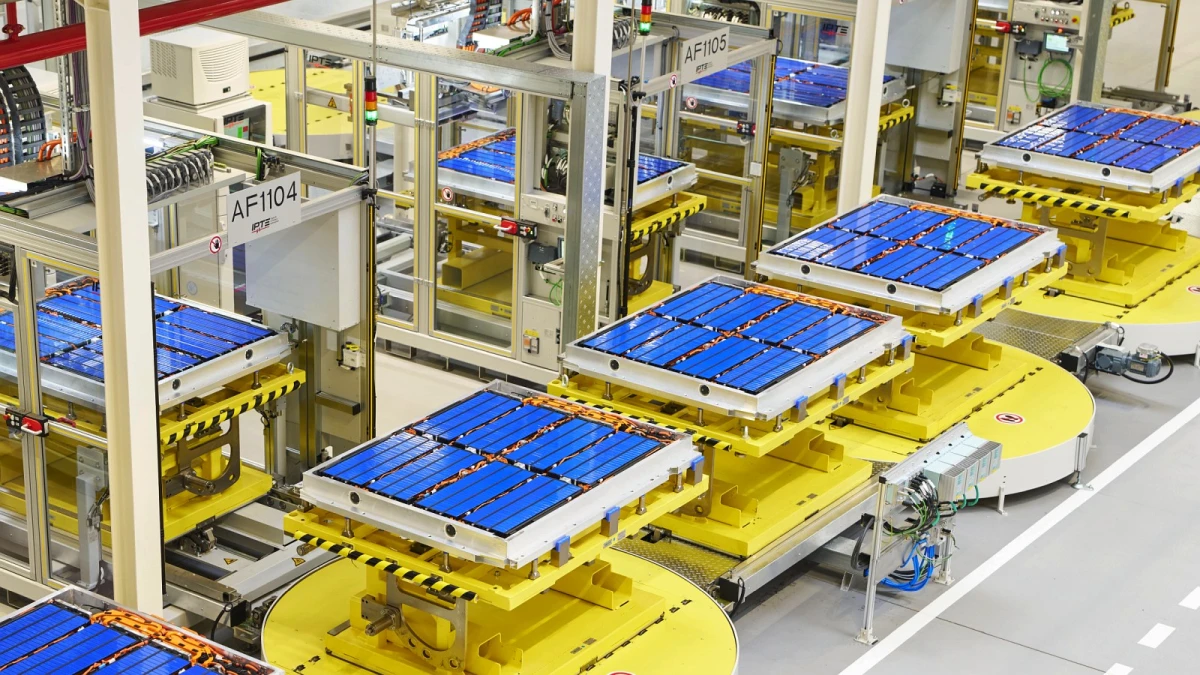
According to the company’s chief executive, the established model of global manufacturing and logistics is gradually fading. This could lead to further increases in new vehicle prices and change how they are produced.
Why the Market Is Changing
Geopolitical events in recent years have become one of the key factors. Military conflicts and tensions in certain regions are affecting not only the broader economy but also the transportation routes used to move components and finished vehicles.
Maritime routes connecting Asia and Europe are particularly important. Restrictions and risks along these corridors are forcing companies to seek alternatives that are often longer and more expensive.
Logistics and Rising Costs
Hyundai is already revising its shipping arrangements in response to current conditions. Instead of relying on established routes through the Suez Canal, some shipments are being redirected around Africa. This increases delivery times by nearly 50% and directly raises production costs.
Supply instability and the need to review supply-chain decisions more frequently are creating additional challenges. While these issues may once have been discussed annually, they now require regular oversight.
- longer component delivery times
- higher transportation costs
- the need for more responsive supply management
Shift Toward Local Production
In response to these new challenges, automakers are increasingly focusing on localized production. This means placing assembly lines and suppliers closer to the markets they serve.
Hyundai already operates plants in Europe, including manufacturing facilities in the Czech Republic and Turkey. These sites could take on additional production in the future to reduce reliance on long-distance shipments.
However, localization also brings higher costs. Manufacturing in multiple regions requires companies to duplicate infrastructure and increases expenses, which ultimately affects vehicle prices.
Impact on Buyers
The transition to a new production model means vehicle prices could continue to rise. This applies not only to premium segments but also to mass-market models, including vehicles from Korean brands.
Globalization previously helped lower costs through economies of scale and optimized supply chains. As these processes weaken, automakers have fewer options for keeping prices at their previous levels.
Conclusion
Changes in the global economy and logistics are prompting the auto industry to reconsider its established practices. Moving away from the previous globalization model increases the importance of local production but also raises costs.
Under these conditions, rising vehicle prices are becoming one of the expected consequences of new market realities and increasingly complex manufacturing processes.