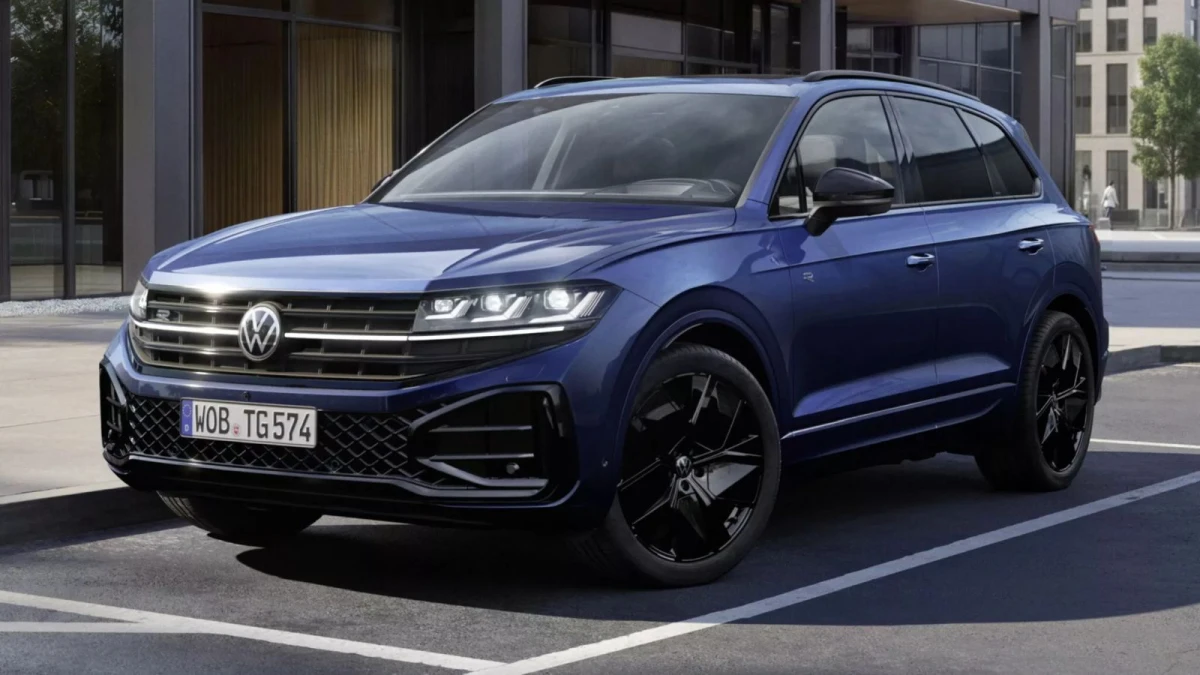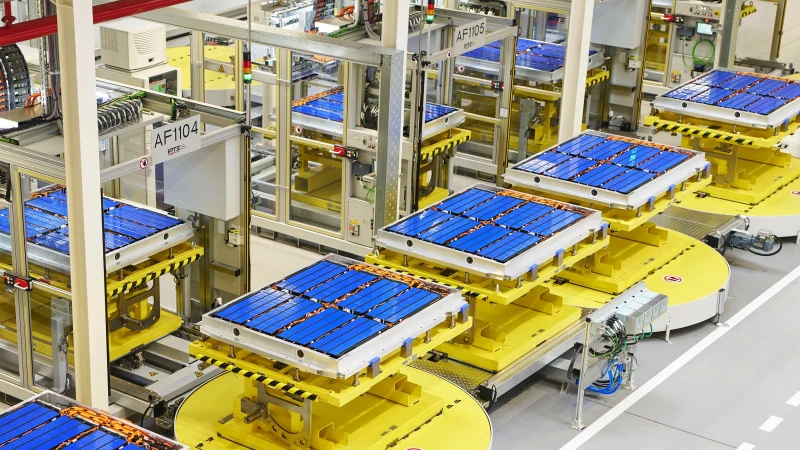
In recent years, large-scale service campaigns involving electric vehicle batteries have become increasingly common. These cases offer insight into the challenges manufacturers face as new technologies move into mass production.
Rising Number of Recalls
Recalls have always been part of the automotive industry, but their frequency has increased noticeably in the electric vehicle segment. As the number of EVs on the road grows and vehicles remain in service for longer periods, new types of faults are being identified.
Batteries receive particular attention because they are among the most complex and expensive components in an electric vehicle. Any deviation from normal operation can affect both safety and vehicle performance.
Common Causes of Battery Failures
An analysis of recent cases shows that battery problems can have several different causes. Some incidents involve software faults, while others are linked to design or manufacturing defects.
- software errors in the battery management system
- defects in individual battery cells
- damage to internal components, including separators
- instability during operation or charging
The wide range of possible causes complicates diagnostics and requires an individual approach to each case.
Scale of Service Campaigns
In recent years, major automakers have been required to recall tens or even hundreds of thousands of vehicles. These campaigns have affected both fully electric models and plug-in hybrids.
As part of a recall, owners may be advised to limit battery use, such as reducing the maximum state of charge or avoiding parking in enclosed spaces. In some cases, the entire battery pack must be replaced.
Factors Affecting Battery Quality
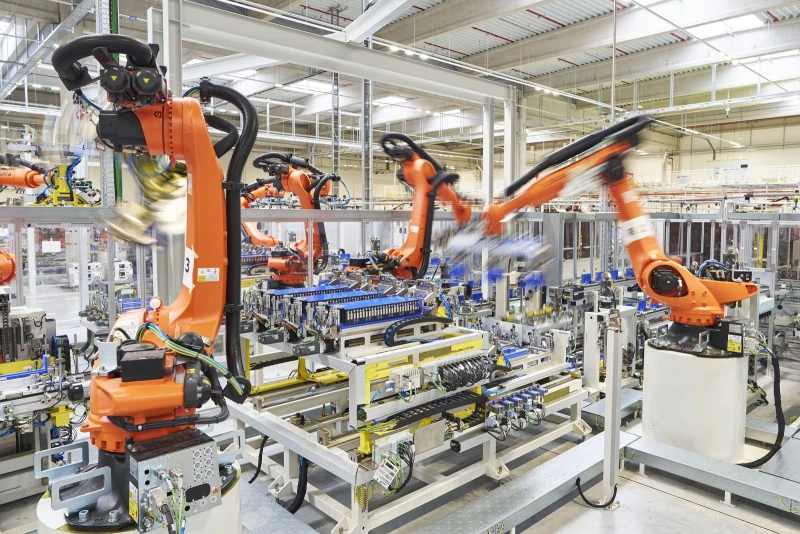
One factor behind the increase in reported problems is the rapid pace of industry development. Manufacturers are working to bring new models to market more quickly while also reducing production costs.
This places additional pressure on component suppliers and manufacturing processes. As a result, the risk of defects can increase, particularly when production is scaled up rapidly.
Batteries also remain technologically complex products that are sensitive to both manufacturing conditions and operating environments.
Impact on the Automotive Industry
Frequent service campaigns increase costs for manufacturers and may influence how consumers perceive electric vehicles. Additional expenses related to repairs and component replacement can reduce the economic efficiency of EV programs.
At the same time, manufacturers continue to invest in battery development with the goal of improving reliability and safety.
Conclusion
The current situation surrounding electric vehicle batteries reflects a stage of industry development in which new technologies are being deployed on a large scale. The growing number of recalls is linked both to rising production volumes and to the accumulation of real-world operating data.
The market’s future development will depend largely on the ability of manufacturers to improve battery quality and reduce the risks associated with their use.